
Chinese Culture
Chinese Food Culture
Food is one of the easiest ways to understand Chinese culture. A Chinese meal is not only about taste — it is also about family, hospitality, regional identity, festivals, social relationships, and shared experience.
For Chinese learners, understanding food culture helps you join conversations, order meals more naturally, understand invitations, and enjoy Chinese social life with more confidence.
Teaching Visual
Four Ways to Understand Chinese Food Culture
Chinese food culture is easier to understand if you look at it through these four ideas.
Flavor
Regional cuisines create different tastes: spicy, sweet, salty, fresh, sour, and rich.
Sharing
Dishes are usually shared by the whole table, not ordered separately for one person.
Hospitality
Inviting someone to eat is a common way to show care, respect, and friendship.
Festivals
Many traditional foods are connected with festivals, seasons, and lucky meanings.
1. Eating Together: The Heart of Chinese Meals
In many Chinese meals, people order several dishes and share them. This style creates a sense of togetherness and makes the meal feel more social.
A meal is a relationship moment
In Chinese, 吃饭 chīfàn literally means “to eat,” but it can also mean spending time together, showing care, doing business, or building relationships.
One table, many dishes
Instead of each person ordering only one dish, a group often orders several dishes and everyone shares.
This allows people to enjoy more flavors and creates a lively table atmosphere.
Food shows care
Chinese people may say 多吃点 duō chī diǎn — “eat more” — to show care and hospitality.
This is not always pressure; it is often a warm social gesture.
Meals build relationships
Friends, relatives, classmates, colleagues, and business partners often use meals to connect and talk.
2. The Order of Serving Food
In many Chinese restaurants, dishes may arrive one by one. The order can vary, but a traditional pattern is: cold dishes, hot dishes, soup, and staple food.
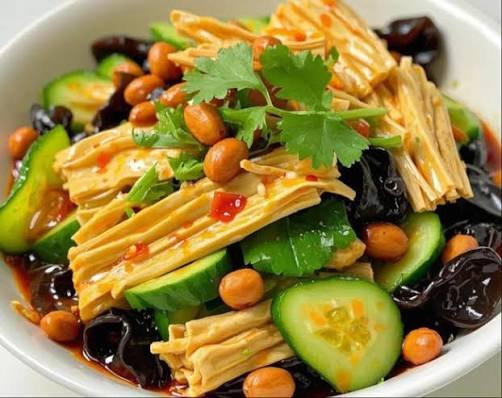 Step 1
Cold dishes
凉菜 liángcài are often served first. They may include cold vegetables, tofu, sliced meat, or appetizers.
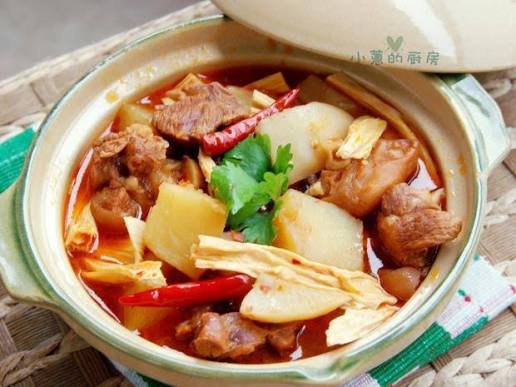 Step 2
Hot dishes
热菜 rècài are the main cooked dishes. These are usually the center of the meal.
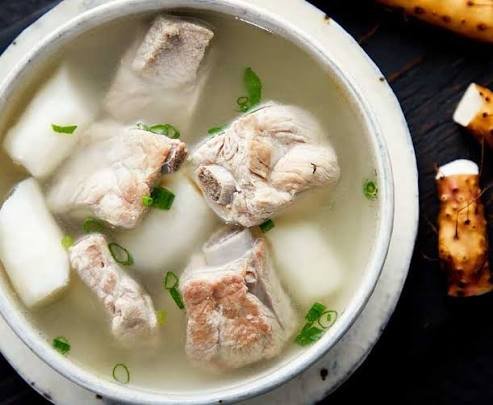 Step 3
Soup
汤 tāng may be served near the end of the meal, depending on the region and restaurant.
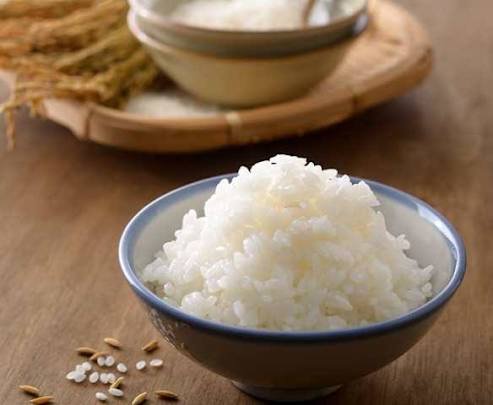 Step 4
Staple food
主食 zhǔshí includes rice, noodles, buns, dumplings, or other grain-based foods.
Ask for rice early
In some restaurants, rice may not come automatically at the beginning.
You can say: 先上米饭。 Xiān shàng mǐfàn. — Please serve the rice first.
3. The Eight Great Cuisines of China
Chinese food is very regional. One traditional way to introduce Chinese cuisine is the “Eight Great Cuisines,” each with its own ingredients, techniques, and flavor style.
| Cuisine | Chinese | Region | Flavor / Culture note |
|---|---|---|---|
| Cantonese cuisine | 粤菜 Yuècài | Guangdong | Fresh, light, delicate; famous for dim sum and seafood. |
| Sichuan cuisine | 川菜 Chuāncài | Sichuan | Spicy, numbing, bold; famous for chili and Sichuan peppercorn. |
| Shandong cuisine | 鲁菜 Lǔcài | Shandong | Salty, rich, seafood-based; important in northern culinary tradition. |
| Jiangsu cuisine | 苏菜 Sūcài | Jiangsu | Elegant, slightly sweet, refined knife work and presentation. |
| Zhejiang cuisine | 浙菜 Zhècài | Zhejiang | Fresh, delicate, often connected with Hangzhou and river/lake ingredients. |
| Fujian cuisine | 闽菜 Mǐncài | Fujian | Light, fresh, seafood-rich, known for soups and umami flavors. |
| Hunan cuisine | 湘菜 Xiāngcài | Hunan | Hot, sour, smoky, and bold; different from Sichuan-style spice. |
| Anhui cuisine | 徽菜 Huīcài | Anhui | Hearty, rustic, uses wild herbs and mountain ingredients. |
4. Traditional Foods and Their Meanings
Many Chinese foods carry symbolic meanings, especially during festivals, birthdays, weddings, and family gatherings.
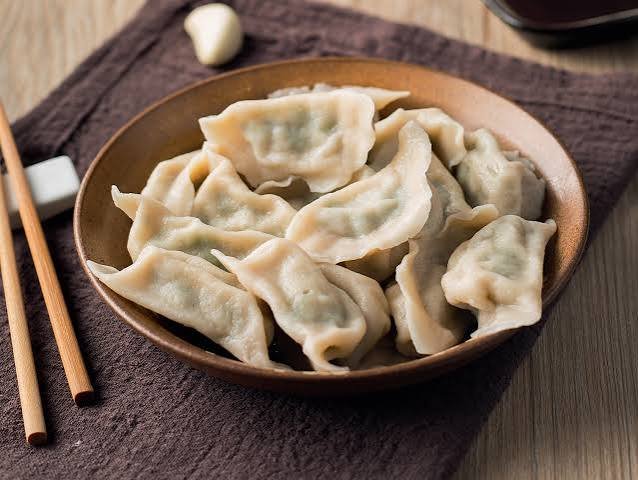 New Year
Dumplings
饺子 jiǎozi are especially important in northern China during Chinese New Year.
Their shape is often linked with old Chinese money, symbolizing wealth and good fortune.
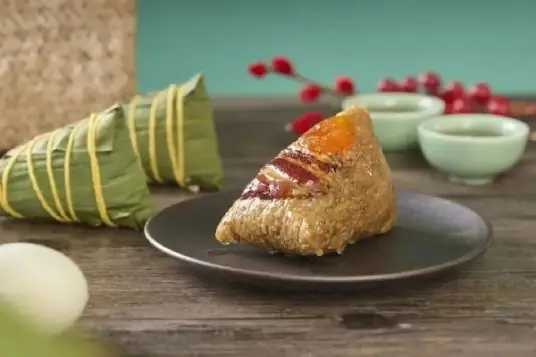 Dragon Boat
Zongzi
粽子 zòngzi are sticky rice dumplings wrapped in leaves, eaten during the Dragon Boat Festival.
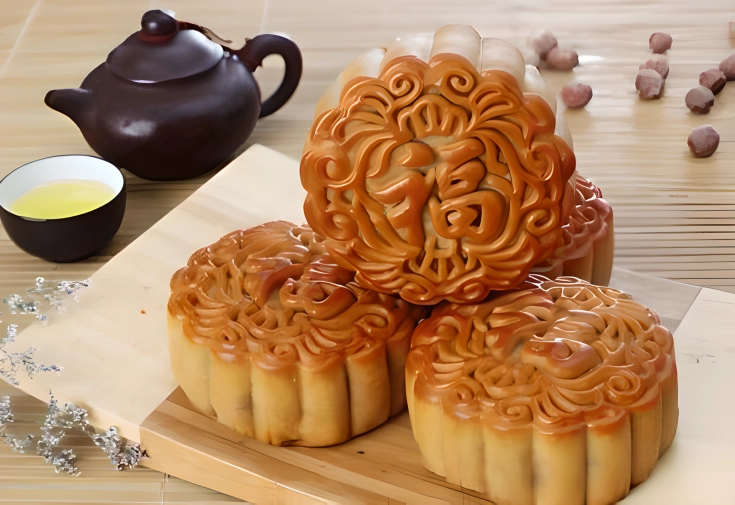 Mid-Autumn
Mooncakes
月饼 yuèbǐng are eaten during the Mid-Autumn Festival and are connected with reunion and family.
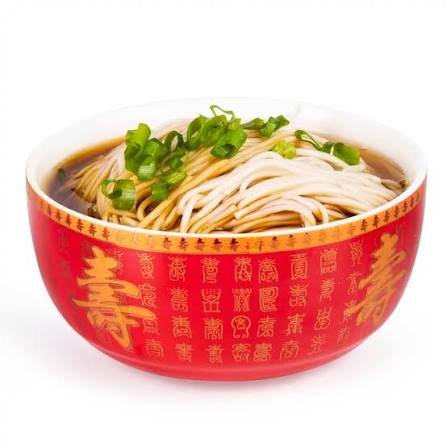 Birthday
Longevity noodles
长寿面 chángshòu miàn symbolize long life. The long noodles should not be cut.
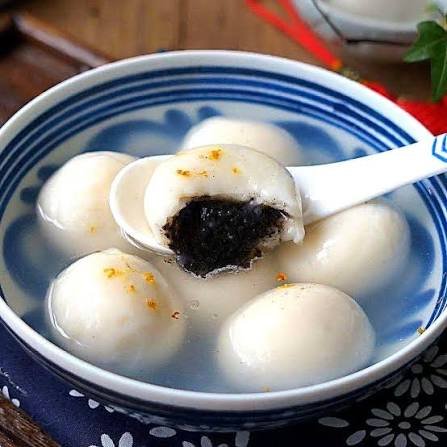 Lantern Festival
Tangyuan
汤圆 tāngyuán are round sweet rice balls. Their round shape symbolizes reunion.
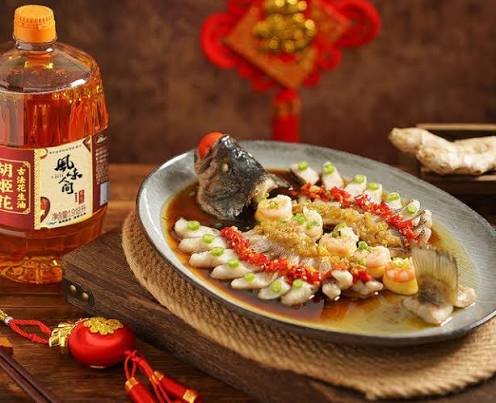 Lucky Meaning
Fish
鱼 yú sounds like 余 yú, meaning “surplus.” That is why fish is linked with abundance.
The phrase 年年有余 means “may you have abundance every year.”
5. Treating Guests and Paying the Bill
Paying for a meal can carry social meaning in China. In many situations, the person who invites others may expect to pay.
Treating someone
请客 qǐngkè means to treat someone or invite someone and pay.
If someone says 我请你吃饭, it often means “I’ll treat you to a meal.”
Chinese: 今天我请客。
Pinyin: Jīntiān wǒ qǐngkè.
Meaning: I’ll treat everyone today.
Paying the bill
买单 mǎidān means to pay the bill. In some meals, people may politely compete to pay.
Among younger friends, splitting the bill is also common, especially in casual settings.
Chinese: 我们 AA 吧。
Pinyin: Wǒmen AA ba.
Meaning: Let’s split the bill.
6. Banquets and Special Meals
Banquets are important in Chinese culture. They are used for weddings, birthdays, business, festivals, family reunions, and important celebrations.
Wedding banquets
A wedding banquet is often a major family event. Guests gather to celebrate the couple, eat together, and give blessings.
Birthday banquets
Elders’ birthdays may be celebrated with special meals, longevity noodles, peach buns, and wishes for health and long life.
Business meals
In business contexts, meals may help build trust, show sincerity, and create a more relaxed atmosphere for conversation.
7. Useful Restaurant Phrases
These phrases are useful when eating in Chinese restaurants or joining Chinese meals.
| Chinese | Pinyin | Meaning | When to use it |
|---|---|---|---|
| 请问,有菜单吗? | Qǐngwèn, yǒu càidān ma? | Excuse me, do you have a menu? | Asking for a menu. |
| 我们想点菜。 | Wǒmen xiǎng diǎn cài. | We would like to order. | When you are ready to order. |
| 先上米饭。 | Xiān shàng mǐfàn. | Please serve the rice first. | If you want rice earlier. |
| 这个辣吗? | Zhège là ma? | Is this spicy? | Checking spice level. |
| 不要太辣。 | Bú yào tài là. | Not too spicy, please. | Useful in Sichuan/Hunan-style restaurants. |
| 买单。 | Mǎidān. | The bill, please. | When asking to pay. |
| 今天我请客。 | Jīntiān wǒ qǐngkè. | I’ll treat everyone today. | When you want to pay for others. |
| 我们 AA 吧。 | Wǒmen AA ba. | Let’s split the bill. | Casual situations with friends. |
8. What This Means for Chinese Learners
Food is one of the best ways to enter Chinese culture. It gives you real situations to practice vocabulary, politeness, social customs, and cultural understanding.
Learn food words in context
Restaurant phrases, dish names, flavors, and meal invitations are some of the most practical parts of daily Chinese.
Understand social meaning
Meals can show care, respect, apology, celebration, hospitality, and relationship building.
Notice regional differences
When traveling in China, food is one of the fastest ways to feel the character of a city or region.
Useful Chinese Words
- 吃饭 chīfàn — to eat; to have a meal
- 点菜 diǎn cài — to order dishes
- 菜单 càidān — menu
- 菜 cài — dish; cuisine; vegetables
- 凉菜 liángcài — cold dishes
- 热菜 rècài — hot dishes
- 汤 tāng — soup
- 主食 zhǔshí — staple food
- 米饭 mǐfàn — cooked rice
- 面条 miàntiáo — noodles
- 饺子 jiǎozi — dumplings
- 请客 qǐngkè — to treat someone
- 买单 mǎidān — to pay the bill
- AA制 AA zhì — splitting the bill
- 宴席 yànxí — banquet
Conclusion
Chinese food culture is not only about dishes and flavors. It is about sharing, hospitality, family, regional identity, festivals, social relationships, and meaningful traditions.
For Chinese learners, food culture is practical and enjoyable. If you understand how Chinese meals work, you will understand many everyday conversations and social situations much better.