
Ancient Capitals
Nanjing Travel Guide
Nanjing is one of China’s most important historical cities. If Beijing shows imperial power and Xi’an shows ancient origins, Nanjing shows historical memory, scholarly culture, riverside life, and the emotional weight of modern Chinese history.
As a guide, I would introduce Nanjing as a city that feels quieter and more reflective than Beijing or Shanghai. It is not only beautiful; it carries many layers of Chinese history.
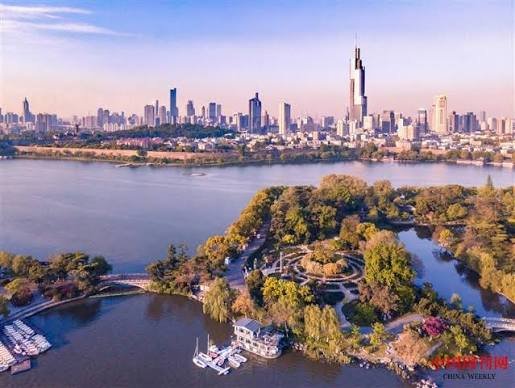
How to understand Nanjing
Nanjing literally means “Southern Capital.” It has served as a capital in different periods of Chinese history and remains one of the best cities for understanding the connection between ancient China and modern China.
A city of dynasties
Nanjing was an important capital for several dynasties and political regimes. Its old city walls, gates, tombs, and historical sites show its long political and cultural importance.
A city of memory
Nanjing also carries the weight of modern history. Some places in the city are serious and emotional, helping visitors understand China’s twentieth-century experience.
Scholarly and relaxed
Nanjing has universities, bookstores, tree-lined roads, riverside areas, local snacks, and a calm rhythm. It feels historical but also very livable.
What Nanjing feels like for first-time visitors
Many first-time visitors feel that Nanjing is less overwhelming than Beijing and less fast-paced than Shanghai. It has a quieter confidence and a strong sense of historical depth.
Calm but powerful
Nanjing does not always try to impress visitors immediately. Its charm often appears slowly through old city gates, shaded streets, historical sites, and everyday neighborhood life.
History beside ordinary life
In Nanjing, you may visit a major historical site, then walk into a local food street or a university neighborhood. Serious history and relaxed daily life often exist close together.
Places I would introduce first
For a first trip to Nanjing, I would choose places that show different sides of the city: ancient capital culture, Ming dynasty history, Republican-era memory, riverside life, and local food culture.
 Must-see
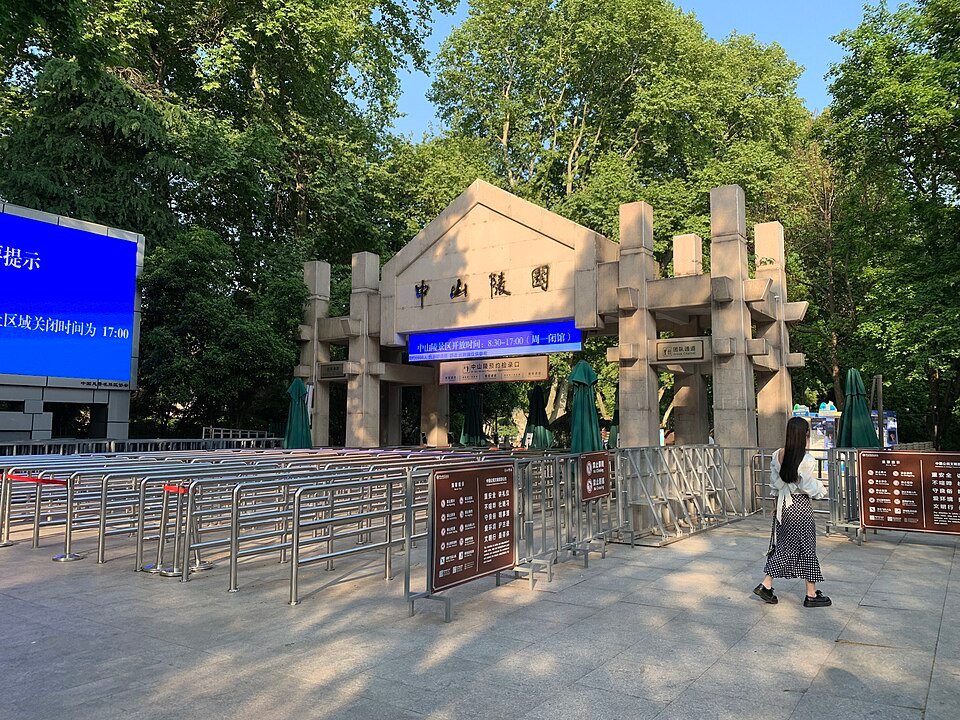
Sun Yat-sen Mausoleum
The Sun Yat-sen Mausoleum, or 中山陵 Zhōngshān Líng, is one of Nanjing’s most important modern historical sites.
The long staircase, mountain setting, and ceremonial layout help visitors feel the political symbolism and historical importance of the site.
 Old city
Nanjing City Wall
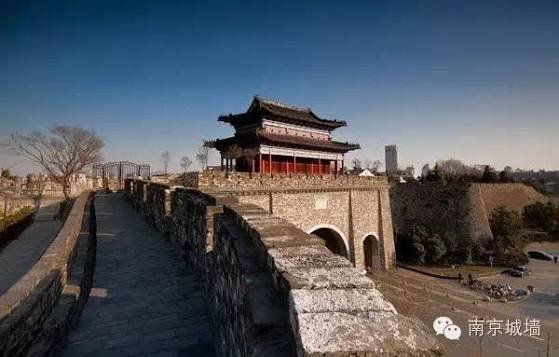
The Nanjing City Wall, or 南京城墙 Nánjīng chéngqiáng, is one of the best ways to understand the city’s old defensive system and Ming dynasty history.
Walking on parts of the wall gives you views of the old city, lakes, and modern buildings.
 History
Ming Xiaoling Mausoleum
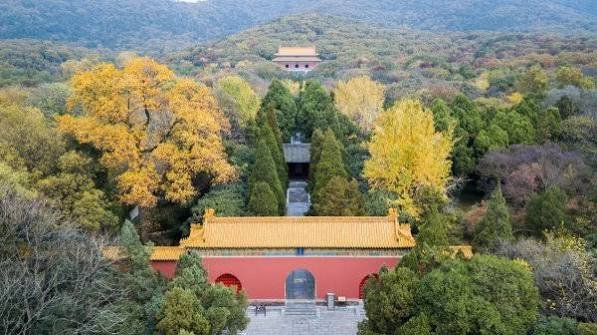
Ming Xiaoling, or 明孝陵 Míng Xiàolíng, is the mausoleum of the Hongwu Emperor, the founder of the Ming dynasty.
It is especially good for understanding imperial tomb culture, sacred ways, stone animals, and the relationship between mountains and royal burial sites.
 River culture
Confucius Temple and Qinhuai River
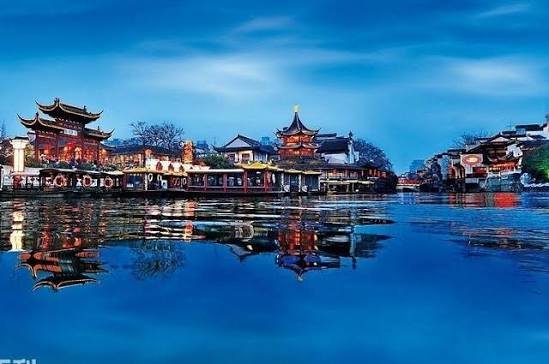
The Confucius Temple area, or 夫子庙 Fūzǐmiào, and the Qinhuai River show Nanjing’s literary, commercial, and entertainment traditions.
This area is especially atmospheric in the evening with lights, boats, snacks, and old-style buildings.
 Museum
Nanjing Museum
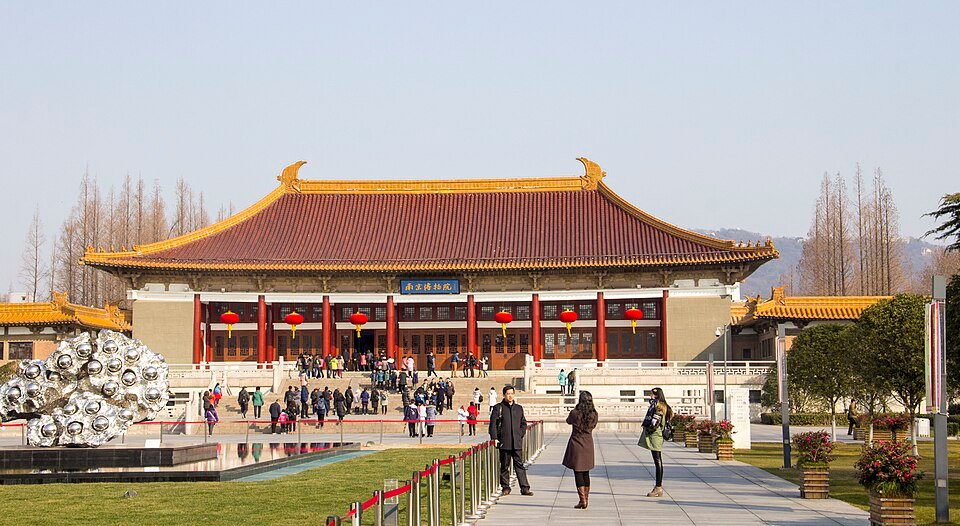
Nanjing Museum, or 南京博物院 Nánjīng Bówùyuàn, is one of the most important museums for understanding the history and culture of Jiangsu and the wider region.
It is a good choice for travelers who want deeper context, not only sightseeing.
 Serious history
Nanjing Massacre Memorial Hall
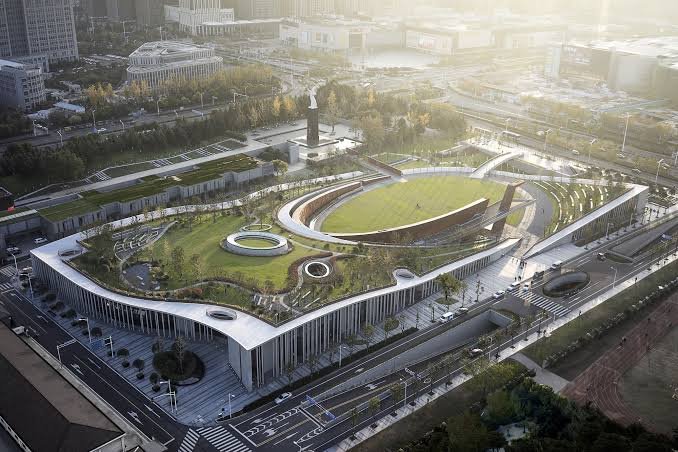
The Nanjing Massacre Memorial Hall is a serious and emotional place. It is important for understanding modern Chinese historical memory.
This is not a light sightseeing stop. Visit respectfully and allow time to process what you see.
Food I would recommend
Nanjing food is practical, flavorful, and closely connected with local everyday life. Duck is especially important in Nanjing food culture.
 Classic
Salted Duck
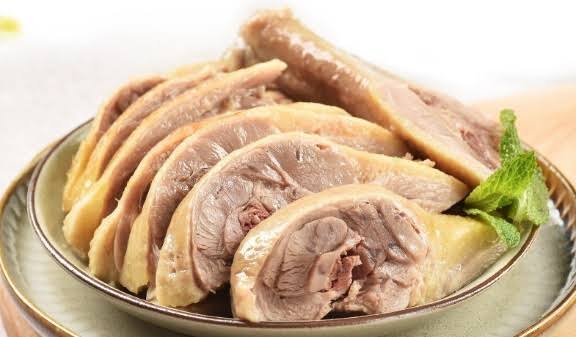
盐水鸭 yánshuǐ yā is one of Nanjing’s most famous local dishes.
It is light, savory, and very different from Beijing roast duck.
 Local
Local
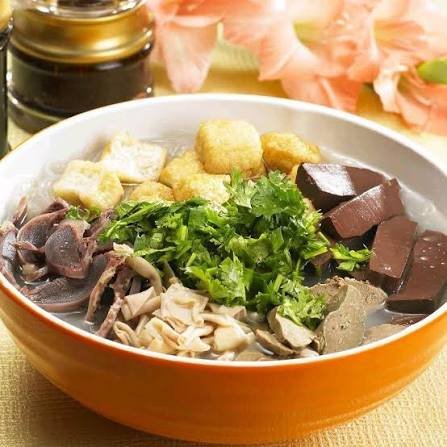
Duck Blood Vermicelli Soup
鸭血粉丝汤 yāxiě fěnsī tāng is a famous Nanjing street food.
It may sound unusual to foreign visitors, but it is a very local and popular comfort food.
 Snack
Snack
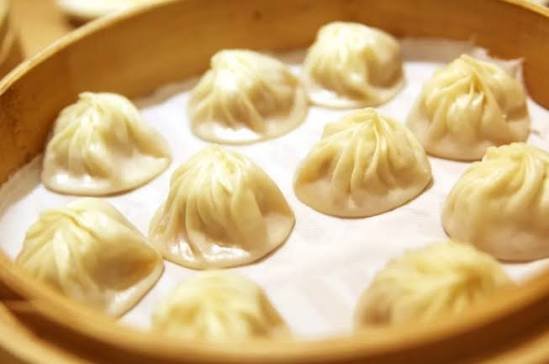
Tangbao and local snacks
Nanjing also has soup dumplings, sesame cakes, noodles, and many small snacks around food streets and older neighborhoods.
The best food experience is often found in simple local restaurants rather than luxury dining rooms.
A simple 3-day first-time route
This route gives first-time visitors a balanced view of Nanjing: ancient capital history, modern historical memory, riverside culture, and local food.
Ancient capital and city walls
Nanjing City Wall → Xuanwu Lake → old city area walk → local duck dinner. This day helps you understand the city’s historical shape and everyday rhythm.
Ming history and modern memory
Ming Xiaoling Mausoleum → Sun Yat-sen Mausoleum → Nanjing Museum. This day connects imperial history, Republican-era memory, and cultural context.
Qinhuai River and serious history
Nanjing Massacre Memorial Hall in the morning → rest or café break → Confucius Temple and Qinhuai River area in the evening.
Useful cultural details to notice
Nanjing becomes more interesting when you notice its quiet mixture of scholarship, history, riverside culture, and daily life.
Multiple capitals
Nanjing has been a capital at different times. This gives the city a layered historical identity rather than one simple story.
Modern historical emotion
Some sites in Nanjing are emotionally heavy. They show how history is remembered, taught, and felt in modern China.
Mountains, lakes, and river
Nanjing is not only an urban historical city. Purple Mountain, Xuanwu Lake, and the Yangtze River give it a strong natural setting.
A scholarly city
Nanjing has a strong educational and cultural atmosphere, with universities, museums, libraries, and old literary traditions.
Practical travel advice
Nanjing is generally easier to travel in than China’s largest megacities, but its historical sites are spread across different areas.
| Topic | Guide advice |
|---|---|
| Best travel style | Mix serious historical sites with relaxed city walks, lakes, riverside areas, and local food. |
| Transportation | The metro is useful for many areas. Some scenic or historical areas may still require walking or taxi rides. |
| Walking | Wear comfortable shoes, especially for the city wall, mausoleum areas, and museum days. |
| Booking | Check reservation rules for museums and popular attractions before visiting. |
| Weather | Spring and autumn are usually comfortable. Summer can be very hot and humid. |
| Emotional preparation | Some modern history sites are serious and heavy. Do not schedule too many emotionally intense visits in one day. |
Useful Chinese words for Nanjing
- 南京 Nánjīng — Nanjing
- 金陵 Jīnlíng — an old poetic name for Nanjing
- 中山陵 Zhōngshān Líng — Sun Yat-sen Mausoleum
- 明孝陵 Míng Xiàolíng — Ming Xiaoling Mausoleum
- 夫子庙 Fūzǐmiào — Confucius Temple
- 秦淮河 Qínhuái Hé — Qinhuai River
- 南京城墙 Nánjīng chéngqiáng — Nanjing City Wall
- 盐水鸭 yánshuǐ yā — salted duck
- 鸭血粉丝汤 yāxiě fěnsī tāng — duck blood vermicelli soup
Travel videos to watch
These videos can help you see the rhythm of Nanjing before reading or traveling.
17 things I wish I knew before visiting CHINA 🇨🇳
Joel and Emilia. 538,021 views.
Nanjing, China🇨🇳 This Ancient City Was Once the Most Powerful in Asia! (4K UHD)
DuckTravel走鴨旅行. 173,961 views.
Is THIS China's MOST underrated city?! 🇨🇳 Nanjing Travel Guide
Travel For Phoebe. 143,385 views.
Video selection note: ranking used public YouTube search metadata available during review, especially view counts and topic relevance.
Final guide note
Nanjing is a city for visitors who want to understand China more deeply. It is beautiful, but its beauty is often quiet. It asks you to slow down, read history carefully, and notice the connection between place and memory.
If you walk along the old city wall, visit the mausoleum area, eat local duck dishes, see the Qinhuai River at night, and spend time in a museum, you will already have touched several important sides of Nanjing.