
Modern China
Shanghai Travel Guide
Shanghai is one of the best cities for understanding modern China. If Beijing feels historical and political, Shanghai feels international, stylish, fast-moving, and outward-looking.
As a guide, I would introduce Shanghai not only as a city of skyscrapers, but as a place where old treaty-port history, local lane life, business culture, fashion, cafés, museums, and modern Chinese urban life meet.
How to understand Shanghai
Shanghai is often seen as China’s most international city. It represents finance, trade, modern lifestyle, design, fashion, and global connection. But beneath the modern skyline, Shanghai also has deep local culture and a layered urban history.
China facing the world
Shanghai has long been connected with international trade, foreign influence, and global business. This history gives the city a very different feeling from many inland Chinese cities.
Finance and skyline
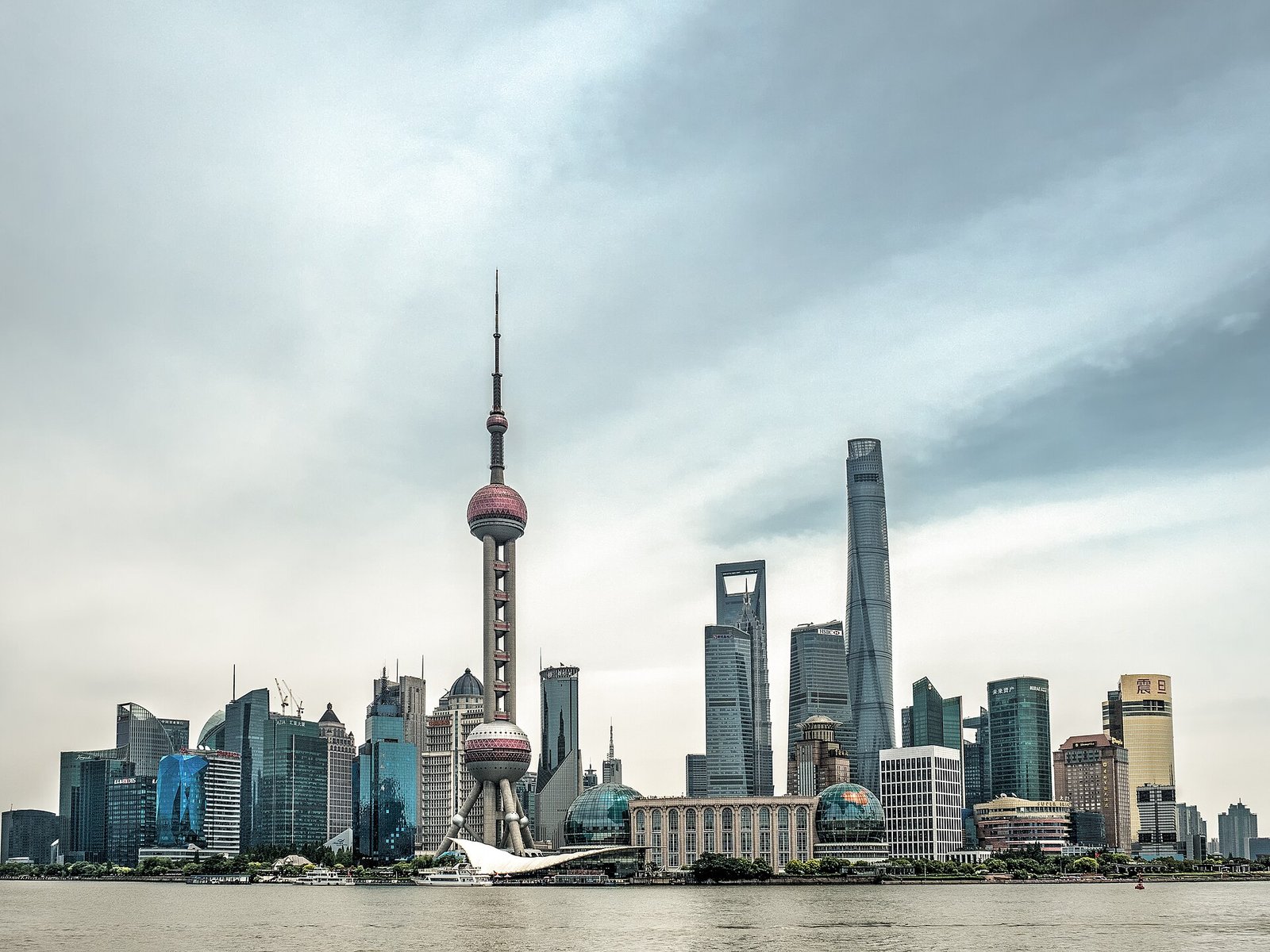
The skyscrapers of Lujiazui, the Bund skyline, and the fast urban rhythm make Shanghai one of the clearest symbols of modern China.
Lane houses and neighborhoods
Shanghai is not only about tall buildings. Old lane houses, small cafés, street markets, parks, and local restaurants show a softer and more everyday side of the city.
What Shanghai feels like for first-time visitors
Many first-time visitors feel that Shanghai is more familiar than other Chinese cities because it has international restaurants, English signs in many areas, efficient public transportation, and a cosmopolitan atmosphere.
Elegant and modern
Shanghai often feels polished, stylish, and convenient. The city is full of contrasts: old European-style buildings, futuristic towers, quiet cafés, luxury shopping malls, and very local food streets.
International surface, local heart
At first, Shanghai may look very global. But when you walk into older neighborhoods, morning markets, local noodle shops, and residential lanes, you begin to see the local Shanghai rhythm underneath.
Places I would introduce first
For a first trip to Shanghai, I would choose places that show different layers of the city: riverfront skyline, colonial-era architecture, local neighborhoods, museums, gardens, and modern urban life.
Must-see
The Bund
The Bund, or 外滩 Wàitān, is Shanghai’s most iconic waterfront area.
On one side, you see historic buildings from Shanghai’s treaty-port era. Across the river, you see the futuristic skyline of Pudong. This contrast is the best visual introduction to Shanghai.
 Skyline
Lujiazui
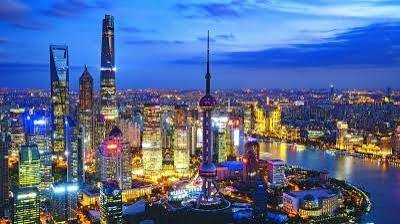
Lujiazui, or 陆家嘴 Lùjiāzuǐ, is Shanghai’s modern financial district.
It is famous for skyscrapers, observation decks, office towers, and the futuristic image many people associate with modern China.
 Old city
Yu Garden and Old City Area
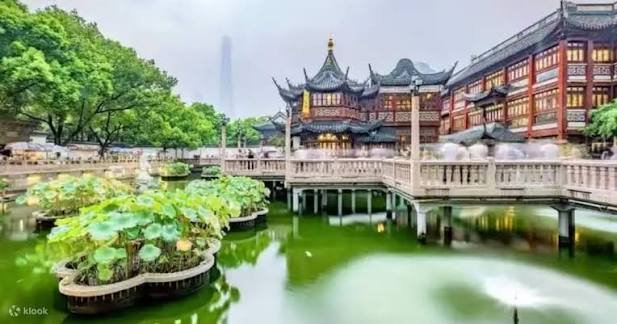
Yu Garden, or 豫园 Yùyuán, shows classical garden design in the middle of a busy commercial area.
The surrounding old city area is touristy, but it is useful for understanding older Shanghai street life, snacks, and traditional-style architecture.
 Neighborhood
Former French Concession
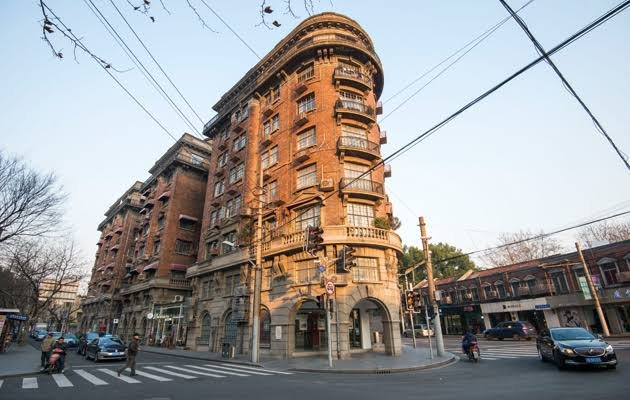
The Former French Concession is one of the best areas for walking.
Tree-lined streets, old villas, cafés, boutiques, and quiet residential lanes show a softer, more elegant side of Shanghai.
 Museum
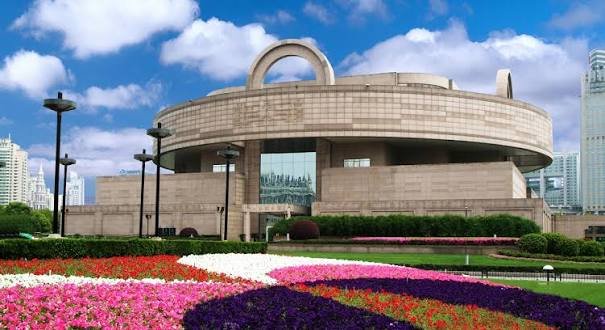
Shanghai Museum
Shanghai Museum, or 上海博物馆 Shànghǎi Bówùguǎn, is a good place to understand Chinese art, bronzes, ceramics, calligraphy, and cultural history.
It gives historical depth to a city that may first appear mostly modern.
 Local walk
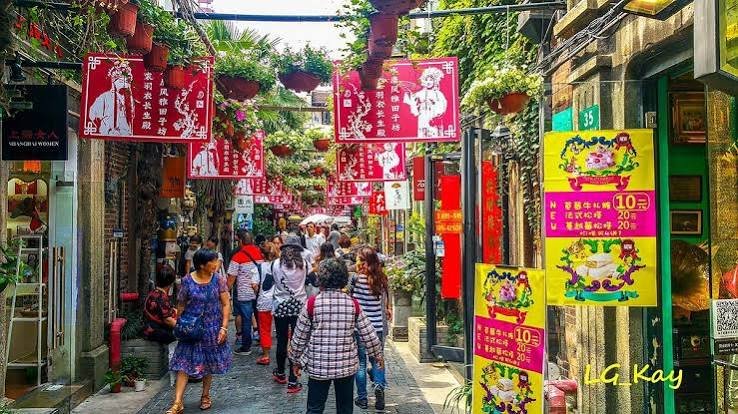
Tianzifang or old lane areas
Tianzifang and other lane neighborhoods help visitors see how Shanghai’s old residential spaces have been transformed into cafés, studios, shops, and small creative spaces.
They are touristy in parts, but still useful for understanding Shanghai’s lane-house culture.
Food I would recommend
Shanghai food is often slightly sweet, delicate, and connected with Jiangnan food culture. It is different from spicy Sichuan food or heavy northern food.
 Classic
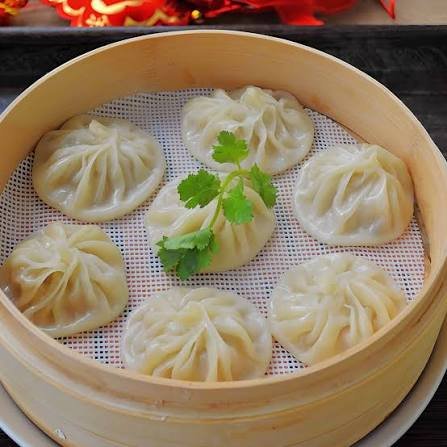
Xiaolongbao
小笼包 xiǎolóngbāo are soup dumplings with thin wrappers and hot broth inside.
Eat carefully: bite a small hole first, let the soup cool slightly, then enjoy the filling.
 Local
Local
Shengjianbao
生煎包 shēngjiānbāo are pan-fried buns with juicy filling and a crispy bottom.
They are one of Shanghai’s most satisfying local snacks.
 Home-style
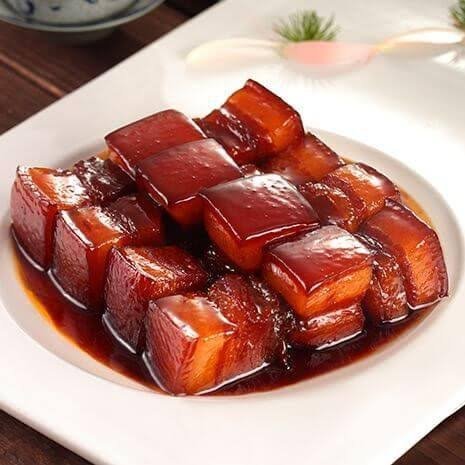
Hongshaorou
红烧肉 hóngshāoròu is braised pork belly cooked with soy sauce and sugar.
It shows the rich, slightly sweet flavor style often associated with Shanghai and Jiangnan home cooking.
A simple 3-day first-time route
This route gives first-time visitors a balanced experience of Shanghai: skyline, history, old neighborhoods, museums, and local food.
Classic Shanghai skyline
The Bund → Nanjing Road → Lujiazui → Huangpu River night view. This day gives you the strongest first impression of Shanghai’s modern and historical contrast.
Old city and culture
Yu Garden → Old City area → Shanghai Museum → local dinner. This day connects traditional architecture, cultural history, and city food.
Neighborhood walk
Former French Concession → cafés and lane houses → Tianzifang or a quieter local neighborhood → xiaolongbao or shengjianbao. This day helps you feel Shanghai’s everyday elegance.
Useful cultural details to notice
Shanghai becomes more interesting when you notice the contrast between international history, local living spaces, modern wealth, and Jiangnan-style refinement.
Old and new skyline
The Bund and Pudong skyline face each other across the Huangpu River. This is one of the clearest symbols of Shanghai’s past and future standing side by side.
Café and walking culture
Shanghai has many streets that are good for slow walks, cafés, boutiques, and people-watching. It is one of China’s best cities for urban strolling.
Shanghainese identity
Shanghai has its own local dialect and strong local identity. Even though Mandarin is widely used, Shanghainese culture remains an important part of the city.
Commercial energy
Shanghai has long been connected with trade, finance, fashion, and business. This commercial energy is part of the city’s personality.
Practical travel advice
Shanghai is one of the easiest Chinese cities for first-time foreign travelers, but good planning still helps.
| Topic | Guide advice |
|---|---|
| Best travel style | Mix big landmarks with slow neighborhood walks. Shanghai is best experienced both from the skyline and from the street level. |
| Transportation | The metro is very useful and covers most major areas. Taxis and ride-hailing are also convenient. |
| Walking | Wear comfortable shoes. The Bund, French Concession, and old neighborhoods are best explored on foot. |
| Booking | Some museums, observation decks, and popular restaurants may require reservations, especially on weekends and holidays. |
| Weather | Spring and autumn are comfortable. Summer can be hot and humid, and rainy days are common in some seasons. |
| Budget | Shanghai can be more expensive than many other Chinese cities, especially for hotels, cafés, bars, and international restaurants. |
Useful Chinese words for Shanghai
- 上海 Shànghǎi — Shanghai
- 外滩 Wàitān — the Bund
- 陆家嘴 Lùjiāzuǐ — Lujiazui financial district
- 黄浦江 Huángpǔ Jiāng — Huangpu River
- 豫园 Yùyuán — Yu Garden
- 南京路 Nánjīng Lù — Nanjing Road
- 小笼包 xiǎolóngbāo — soup dumplings
- 生煎包 shēngjiānbāo — pan-fried buns
- 本帮菜 běnbāng cài — local Shanghai cuisine
Travel videos to watch
These videos can help you see the rhythm of Shanghai before reading or traveling.
Shanghai: China’s Largest & Richest City | Travel Guide 2025
CoolVision. 5,674,851 views.
Shanghai Travel Guide
Attaché. 1,385,180 views.
5 days in shanghai
Sam and Victor. 896,847 views.
Video selection note: ranking used public YouTube search metadata available during review, especially view counts and topic relevance.
Final guide note
Shanghai is not only a “modern city.” It is a city of layers: trade history, local lane life, international influence, Jiangnan food culture, and futuristic urban development.
If you walk along the Bund, look across the river to Lujiazui, eat xiaolongbao, explore the Former French Concession, and spend time in an old neighborhood, you will already have touched several important sides of Shanghai.