
Food and Local Life
Chongqing Travel Guide
Chongqing is one of the most dramatic cities in China. It is a mountain city, a river city, a hot pot city, and a place where bridges, hills, stairways, lights, and spicy food create a very strong first impression.
As a guide, I would introduce Chongqing not only as a place for hot pot and night views, but as a city where geography shapes everything: transportation, buildings, food, language, lifestyle, and local personality.
How to understand Chongqing
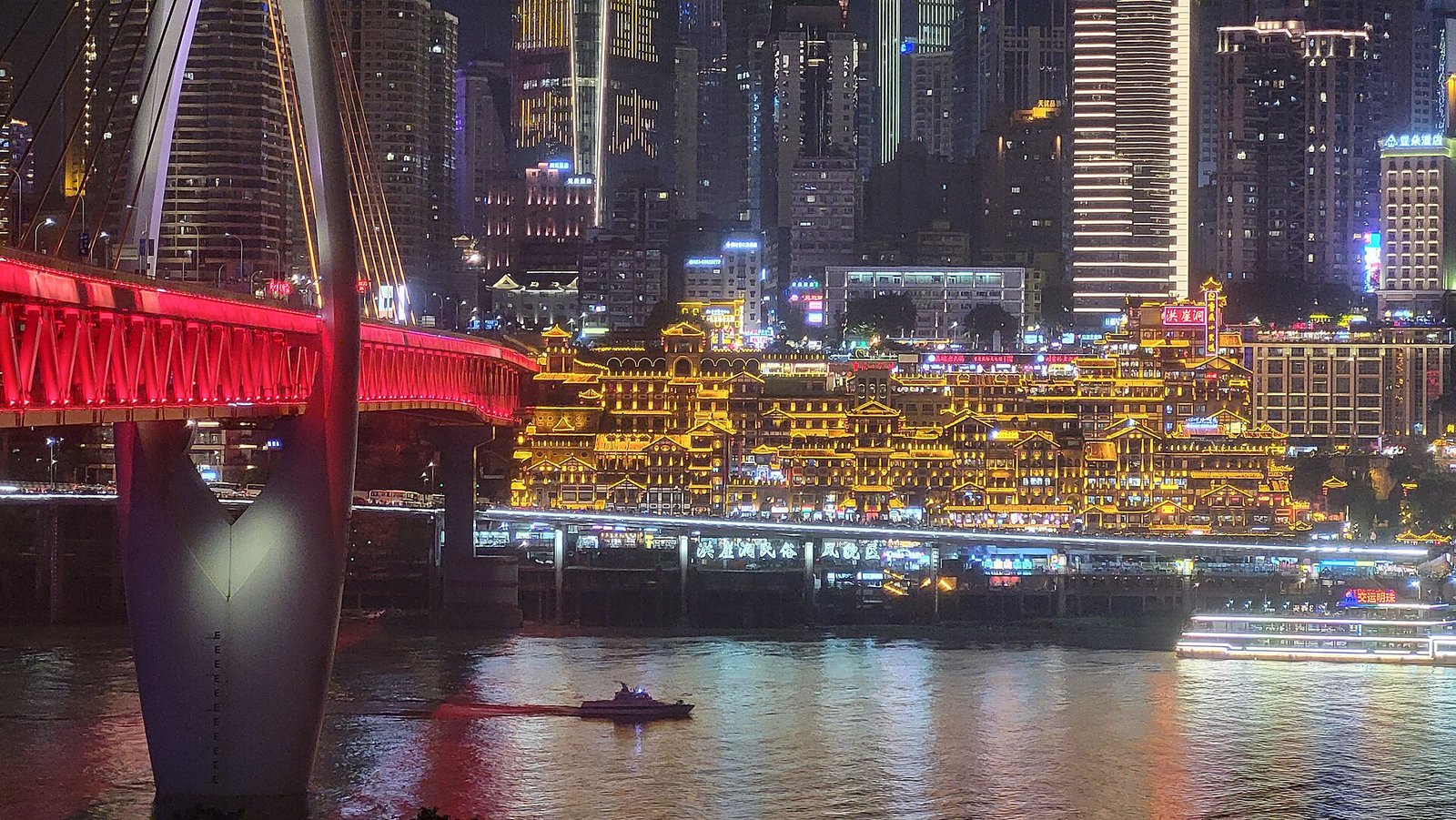
Chongqing is built around mountains and rivers. The Yangtze River and Jialing River meet here, and the city rises in layers from the riverbanks to the hills. This geography gives Chongqing its powerful visual identity.
A city in layers
Chongqing is famous for its hills, stairways, bridges, tunnels, and buildings built on different levels.
A street that looks like the first floor from one side may feel like the tenth floor from another side.
Where two rivers meet
The Yangtze River and Jialing River are central to Chongqing’s geography, history, transport, and night views.
The city feels especially dramatic when seen from the river or from a high viewpoint.
Hot pot and bold character
Chongqing people are often associated with directness, energy, humor, and a love of strong flavors.
Food is one of the best ways to understand the local personality.
What Chongqing feels like for first-time visitors
Many first-time visitors feel that Chongqing looks almost unreal. The city feels vertical, cinematic, crowded, spicy, humid, and full of movement.
Chaotic but fascinating
Chongqing can feel less orderly than Shanghai or Shenzhen, but that is part of its charm. Its bridges, tunnels, stairways, old neighborhoods, and night lights create a very memorable cityscape.
Old streets beside neon skylines
You may walk through old residential lanes and steep stairways, then suddenly arrive at a glowing riverside skyline or a busy commercial district.
Chongqing is full of unexpected transitions.
Places I would introduce first
For a first trip to Chongqing, I would choose places that show its mountain-city geography, river views, old streets, spicy food culture, and modern night scenery.
 Must-see
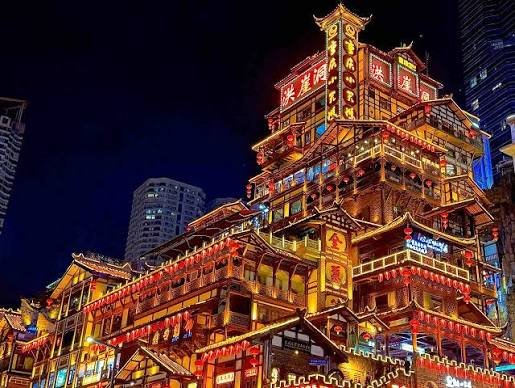
Hongya Cave
Hongya Cave, or 洪崖洞 Hóngyádòng, is one of Chongqing’s most famous night-view areas.
It is touristy, but useful for seeing Chongqing’s layered architecture, riverside lights, and dramatic vertical cityscape.
 City center
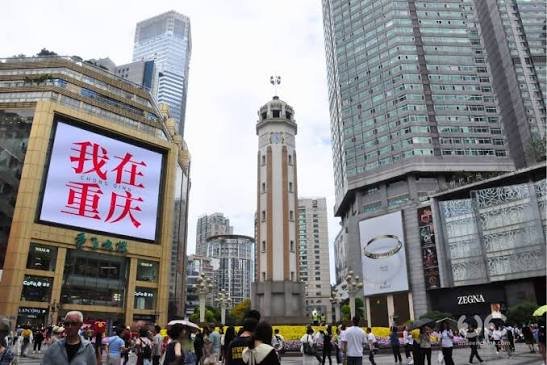
Jiefangbei
Jiefangbei, or 解放碑 Jiěfàngbēi, is a central commercial area in Chongqing.
It shows the city’s shopping, business, crowds, food streets, and modern urban energy.
 Old street
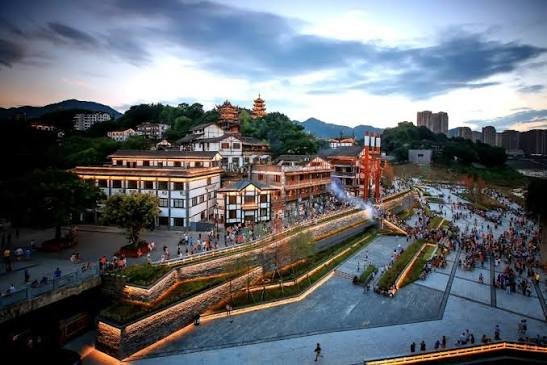
Ciqikou Ancient Town
Ciqikou, or 磁器口 Cíqìkǒu, is an old riverside town area with traditional-style streets, snacks, shops, and teahouses.
It is popular with tourists, but still a useful place to feel older Chongqing street life.
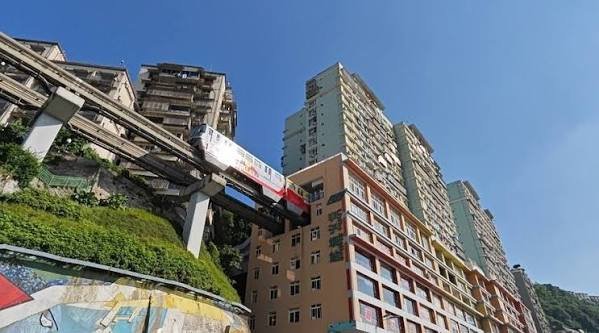 Transit wonder
Liziba Monorail Station
Liziba Station, or 李子坝站 Lǐzǐbà Zhàn, is famous because the monorail passes through a residential building.
It is a fun example of how Chongqing’s transportation adapts to the mountain-city landscape.
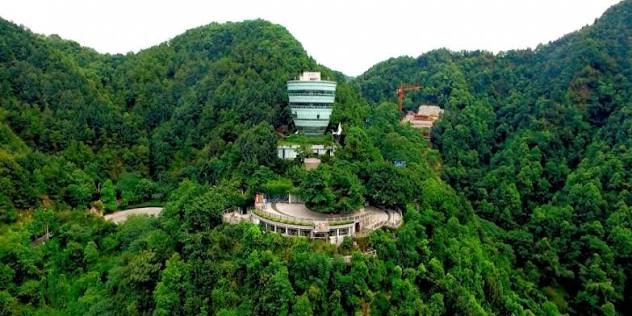 Viewpoint
Nanshan Area
Nanshan, or 南山 Nánshān, offers good viewpoints over Chongqing.
It is especially beautiful at night, when the city lights, rivers, and bridges become part of one large scene.
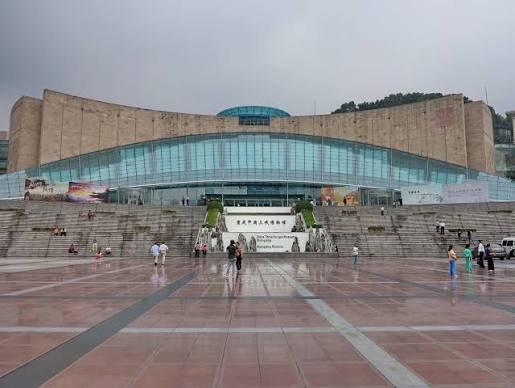 History
Three Gorges Museum
The Three Gorges Museum helps visitors understand the Yangtze River, the Three Gorges region, migration, water culture, and Chongqing’s broader historical context.
It gives depth to a city that many travelers first experience only through food and night views.
Food I would recommend
Chongqing food is bold, spicy, numbing, oily, and full of local energy. It is similar to Sichuan food in some ways, but Chongqing has its own stronger, more direct style.
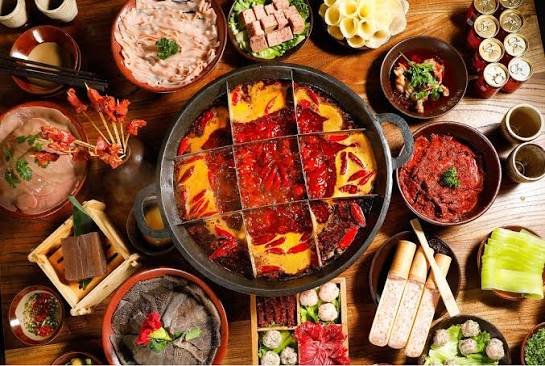 Classic
Chongqing Hot Pot
重庆火锅 Chóngqìng huǒguō is one of the city’s most famous food experiences.
It is usually spicy, oily, fragrant, and very social. The atmosphere is as important as the food itself.
 Local
Local
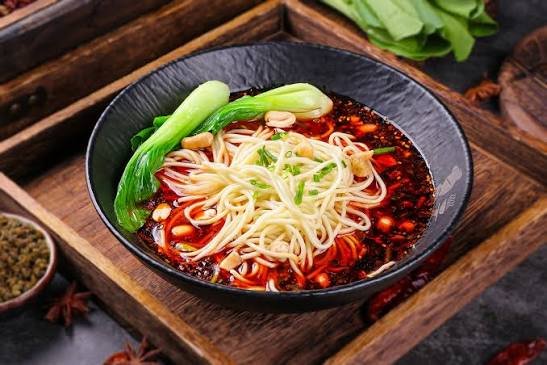
Chongqing Noodles
重庆小面 Chóngqìng xiǎomiàn is a simple but powerful noodle dish.
It often includes chili oil, Sichuan peppercorn, garlic, scallions, and strong seasoning.
 Street food
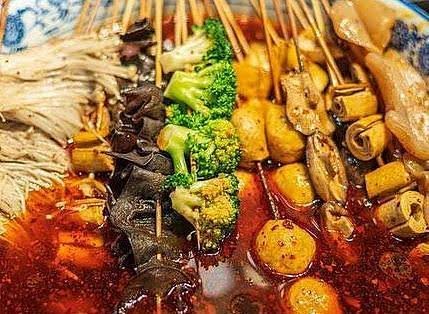
Spicy snacks and skewers
Chongqing is full of spicy snacks, grilled skewers, street noodles, cold dishes, and late-night food.
This is a city where food often feels loud, hot, and social.
A simple 3-day first-time route
This route gives first-time visitors a balanced experience of Chongqing: mountain-city views, river night scenery, spicy food, old streets, and urban transportation surprises.
Classic night-view Chongqing
Jiefangbei → Hongya Cave → riverside walk → Chongqing hot pot dinner. This day gives you the strongest first impression of Chongqing’s lights, crowds, and food culture.
Old streets and local rhythm
Ciqikou Ancient Town → local noodles → teahouse or old neighborhood walk → evening viewpoint. This day helps you feel older Chongqing and local street life.
Mountain city and river culture
Liziba Monorail Station → Three Gorges Museum → Nanshan viewpoint or river night view. This day helps you understand Chongqing’s geography and river identity.
Useful cultural details to notice
Chongqing becomes more interesting when you notice how geography shapes the city’s food, buildings, transportation, and personality.
A three-dimensional city
Chongqing is often described as a three-dimensional city. Elevation matters: streets, buildings, bridges, and metro lines often exist on different levels.
Hot pot as social life
Hot pot is not only dinner. It is a social event, a way to gather with friends, talk loudly, sweat together, and enjoy strong flavors.
Chongqing dialect
You may hear Chongqing dialect in markets, taxis, restaurants, and old neighborhoods. It sounds lively and expressive, and gives the city a strong local flavor.
Lights, bridges, and rivers
Chongqing’s night view is famous because of its vertical landscape. Lights appear on hills, towers, bridges, riverbanks, and layered buildings.
Practical travel advice
Chongqing is exciting, but first-time travelers should prepare for slopes, humidity, crowds, and spicy food.
| Topic | Guide advice |
|---|---|
| Best travel style | Mix night views, old streets, hot pot, river walks, and transportation experiences. Chongqing is best felt through movement and food. |
| Transportation | The metro is useful, but transfers and walking routes may involve stairs, slopes, and height differences. |
| Walking | Wear comfortable shoes. Do not underestimate hills, steps, and long walks between viewpoints. |
| Booking | Popular hot pot restaurants and night-view areas can be crowded, especially on weekends and holidays. |
| Weather | Chongqing is humid and can be very hot in summer. Foggy or misty weather is common and part of the city’s atmosphere. |
| Spice level | If you cannot eat spicy food, say 不要太辣 bù yào tài là. But in Chongqing, even mild food may still taste strong to some visitors. |
Useful Chinese words for Chongqing
- 重庆 Chóngqìng — Chongqing
- 山城 shānchéng — mountain city
- 火锅 huǒguō — hot pot
- 重庆小面 Chóngqìng xiǎomiàn — Chongqing noodles
- 洪崖洞 Hóngyádòng — Hongya Cave
- 解放碑 Jiěfàngbēi — Jiefangbei
- 磁器口 Cíqìkǒu — Ciqikou
- 长江 Cháng Jiāng — Yangtze River
- 嘉陵江 Jiālíng Jiāng — Jialing River
Travel videos to watch
These videos can help you see the rhythm of Chongqing before reading or traveling.
Entering the World's Largest City (Chongqing, China)
Drew Binsky. 7,950,403 views.
The World’s Biggest City You’ve Never Heard Of | Chongqing, China
CoolVision. 3,206,712 views.
Chongqing Travel Guide (China's Most Confusing City)
Ms Qiwiie. 2,928,934 views.
Video selection note: ranking used public YouTube search metadata available during review, especially view counts and topic relevance.
Final guide note
Chongqing is one of the most visually unforgettable cities in China. It is not elegant in the same way as Hangzhou, and not orderly in the same way as Shanghai. Its beauty is dramatic, vertical, hot, and full of life.
If you eat hot pot, walk through Hongya Cave at night, take the metro through the mountain city, see the rivers meet, and notice how people live on different levels of the city, you will already have touched several important sides of Chongqing.