
Chinese Culture
Traditional Chinese Sports and Leisure Activities
Traditional Chinese sports and leisure activities are closely connected with health, rhythm, community, festivals, strategy, and everyday social life.
For Chinese learners, this topic helps you understand park culture, festival performances, family games, public squares, and the slower side of Chinese daily life.
Teaching Visual
Four Ways to Understand Chinese Sports and Leisure
These activities are easier to understand if you look at them through four cultural ideas.
Wellness
Activities like tai chi and morning exercise are connected with body care and balance.
Festivals
Dragon boat racing, lion dance, and dragon dance often appear during festivals.
Strategy
Games like go and Chinese chess train patience, planning, and strategic thinking.
Community
Public activities create social connection in parks, squares, homes, and tea houses.
1. Park Life and Morning Exercise
In many Chinese cities, parks are not only places for walking. They are also social spaces where people exercise, dance, sing, play instruments, practice calligraphy, and meet friends.
A park can be a community space
晨练 chénliàn means morning exercise. For many older people, morning exercise is not only about health. It is also a daily rhythm and a way to meet neighbors.
Early routines
Many people go to parks early in the morning to walk, stretch, practice tai chi, dance, or exercise with simple equipment.
Meeting neighbors
Parks can become informal community spaces. People meet familiar faces, chat, and keep a daily rhythm.
Public life
Some parks also have people singing opera, playing erhu, practicing water calligraphy, or playing chess.
2. Tai Chi and Martial Arts
Tai chi and martial arts are two of the most internationally recognized Chinese physical traditions.
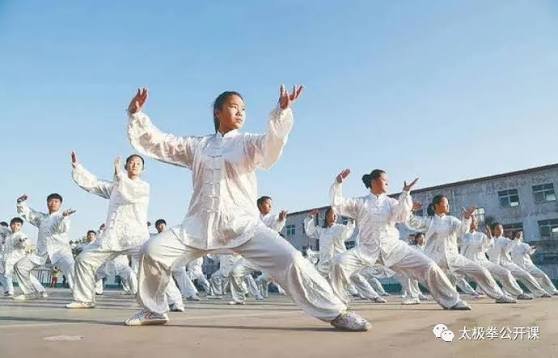
太极拳
太极拳 tàijíquán is often slow, circular, and controlled. It is connected with balance, breathing, relaxation, and body awareness.
In parks, you may see older people practicing tai chi in the morning.
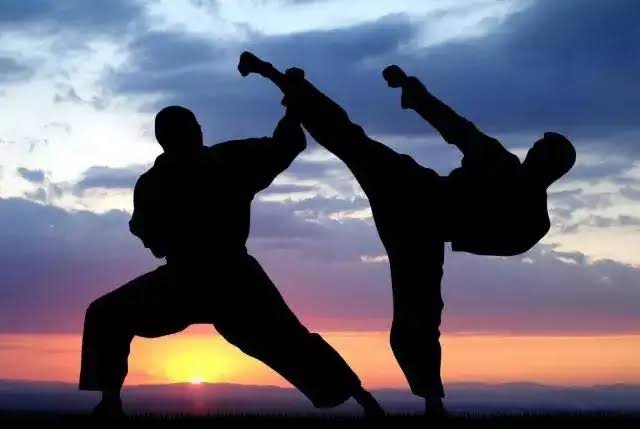
武术 / 功夫
武术 wǔshù means martial arts. 功夫 gōngfu is also widely known internationally.
Martial arts can include performance, self-discipline, physical training, cultural identity, and philosophy.
3. Dragon Boat Racing, Lion Dance, and Dragon Dance
Some traditional activities are strongly connected with festivals and public celebration.
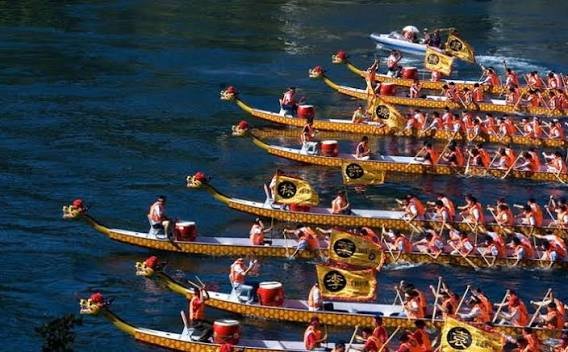
Dragon boat racing
赛龙舟 sài lóngzhōu means dragon boat racing. It is especially associated with the Dragon Boat Festival.
It emphasizes teamwork, rhythm, strength, and community celebration.
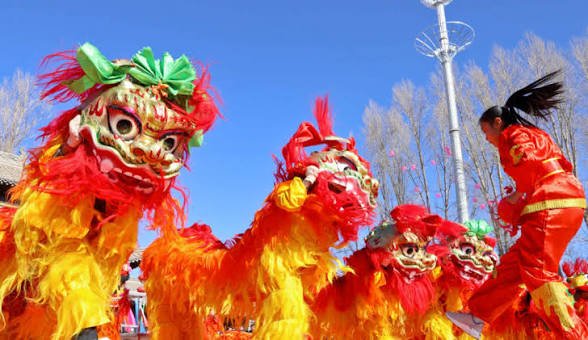
Lion dance
舞狮 wǔshī means lion dance. It is often performed during Chinese New Year, store openings, weddings, and celebrations.
It is connected with good luck, energy, and driving away bad fortune.
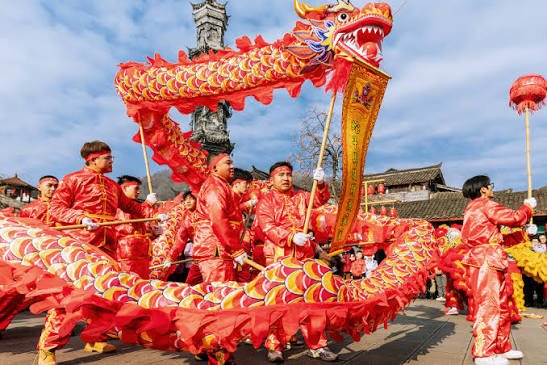
Dragon dance
舞龙 wǔlóng means dragon dance. A team controls a long dragon figure, creating flowing movements.
It expresses power, good fortune, and festive atmosphere.
4. Traditional Strategy Games
Not all traditional activities are physical. Some of the most important leisure activities are board games that train patience, planning, and social interaction.
| Activity | Chinese | What it is | Culture note |
|---|---|---|---|
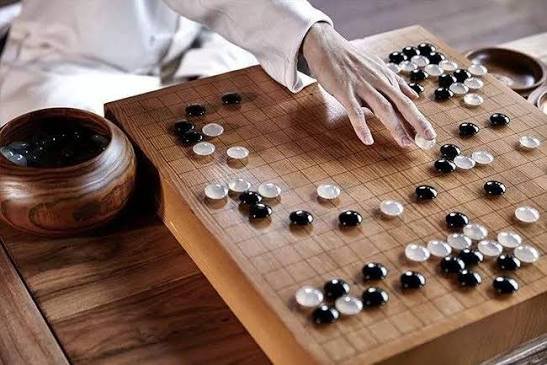
| Go | 围棋 wéiqí | A strategy board game played with black and white stones. | Associated with patience, planning, balance, and intellectual cultivation. |
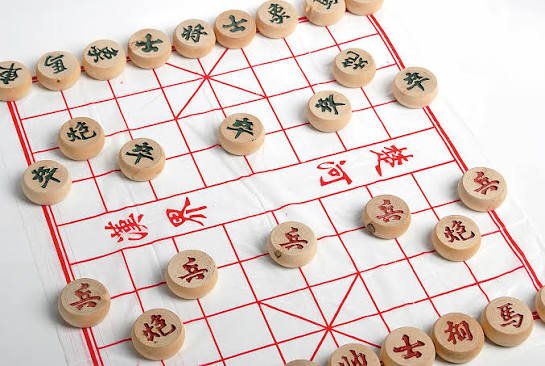
| Chinese chess | 象棋 xiàngqí | A two-player strategy game with generals, soldiers, cannons, horses, and chariots. | Often played in parks, homes, and community spaces. |
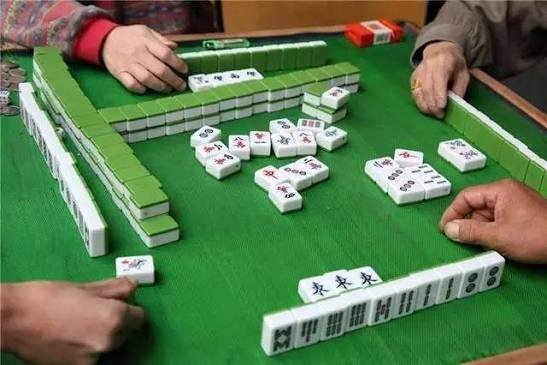
| Mahjong | 麻将 májiàng | A tile-based game often played by four people. | Common in family gatherings and social leisure, but also associated with gambling in some contexts. |
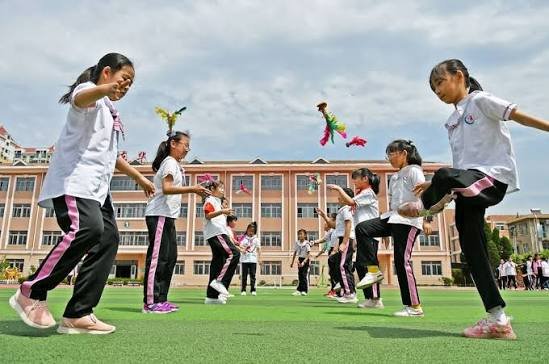
| Shuttlecock kicking | 踢毽子 tī jiànzi | A traditional activity where people kick a feathered shuttlecock. | Popular as a light exercise or schoolyard activity. |
5. Mahjong and Family Leisure
Mahjong is one of the most famous Chinese leisure activities. It can be a game, a social event, a family tradition, or a way to pass time during holidays.
Playing together
Mahjong is usually played by four people. The game creates conversation, joking, waiting, and social rhythm.
Holiday atmosphere
During holidays or family gatherings, older relatives may play mahjong while chatting, eating snacks, and spending time together.
Be careful with context
Mahjong can be casual and harmless, but it may also involve gambling. The social meaning depends on the group and situation.
6. Square Dancing and Modern Public Leisure
Square dancing is not ancient, but it has become a very visible part of modern Chinese urban life.
广场舞
广场舞 guǎngchǎngwǔ means square dancing. It is often practiced by middle-aged and older people in public squares or open spaces.
It combines exercise, music, socializing, and community life.
Community and noise
Square dancing can create strong community connections, but it can also cause noise complaints in residential areas.
This makes it a good example of modern public life in China.
7. Ancient Sports and Cultural Memory
Some older activities are remembered as part of Chinese cultural history, even if they are not common daily sports today.
Cuju
蹴鞠 cùjū was an ancient ball game often described as an early form of football-like activity.
Archery
射箭 shèjiàn, archery, was historically connected with military skill, ritual, and personal cultivation.
Health exercises
Traditional health exercises such as qigong are connected with breath, movement, and body awareness.
8. Useful Activity Phrases
These phrases are useful when talking about sports, hobbies, and leisure activities in Chinese.
| Chinese | Pinyin | Meaning | When to use it |
|---|---|---|---|
| 你喜欢运动吗? | Nǐ xǐhuan yùndòng ma? | Do you like sports? | Starting a conversation about exercise. |
| 我每天早上锻炼。 | Wǒ měitiān zǎoshang duànliàn. | I exercise every morning. | Talking about a routine. |
| 我想学太极拳。 | Wǒ xiǎng xué tàijíquán. | I want to learn tai chi. | Talking about interest in traditional exercise. |
| 他们在公园跳广场舞。 | Tāmen zài gōngyuán tiào guǎngchǎngwǔ. | They are doing square dancing in the park. | Describing public leisure activity. |
| 你会下象棋吗? | Nǐ huì xià xiàngqí ma? | Can you play Chinese chess? | Asking about a game skill. |
| 我们一起打麻将吧。 | Wǒmen yìqǐ dǎ májiàng ba. | Let’s play mahjong together. | Inviting someone to play mahjong. |
9. What This Means for Chinese Learners
Traditional sports and leisure activities help learners understand not only activities, but also values: health, patience, teamwork, social connection, and public life.
Learn activity verbs
You can practice useful verbs such as 打, 下, 跳, 练, 学, 看, and 玩 through sports and leisure topics.
Understand park culture
Parks and public squares show how Chinese people use shared spaces for exercise, music, dance, and social life.
Connect through hobbies
Asking about hobbies, morning routines, games, or exercise is a natural way to start conversations with Chinese speakers.
Useful Chinese Words
- 运动 yùndòng — sport / exercise
- 锻炼 duànliàn — to exercise
- 晨练 chénliàn — morning exercise
- 公园 gōngyuán — park
- 太极拳 tàijíquán — tai chi
- 武术 wǔshù — martial arts
- 功夫 gōngfu — kung fu / skill
- 赛龙舟 sài lóngzhōu — dragon boat racing
- 舞狮 wǔshī — lion dance
- 舞龙 wǔlóng — dragon dance
- 围棋 wéiqí — go
- 象棋 xiàngqí — Chinese chess
- 麻将 májiàng — mahjong
- 广场舞 guǎngchǎngwǔ — square dancing
- 踢毽子 tī jiànzi — to kick shuttlecock
Conclusion
Traditional Chinese sports and leisure activities show how Chinese culture connects movement, health, performance, strategy, festivals, and community life.
For Chinese learners, this topic is useful because it gives you real words for hobbies, exercise, public life, family games, and festival activities. It also helps you understand what you may see in Chinese parks, streets, homes, and celebrations.