
Chinese Culture
Traditional Chinese Clothing and Symbols
Traditional Chinese clothing and symbols show how people express beauty, identity, good wishes, family values, social status, and cultural memory.
For Chinese learners, this topic helps explain why red is important, why dragons and phoenixes appear in celebrations, why some clothes are linked with weddings, and why many patterns carry lucky meanings.
Teaching Visual
Four Ways to Understand Chinese Clothing and Symbols
Traditional clothing and symbols are easier to understand through these four cultural ideas.
Clothing
Traditional garments can show history, identity, aesthetics, and special occasions.
Colors
Colors such as red, gold, white, and black can carry cultural meanings.
Good Luck
Many symbols express blessings, wealth, longevity, harmony, or success.
Occasions
Weddings, festivals, ceremonies, and performances often use special clothing and patterns.
1. Clothing as Culture, Not Costume
Traditional Chinese clothing is not one single style. Different periods, regions, ethnic groups, and occasions have different forms of clothing.
Clothing can show identity and occasion
服饰 fúshì means clothing and adornment. In Chinese culture, clothing may show gender, age, status, region, ethnic background, festival atmosphere, or respect for an occasion.
2. Hanfu: Han Chinese Traditional Clothing
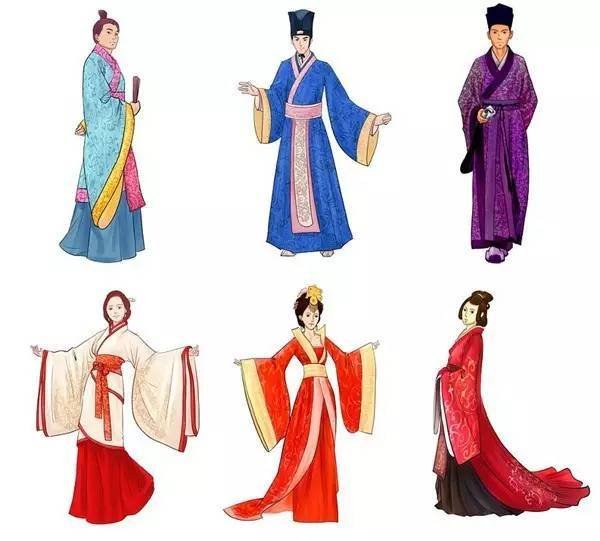
Hanfu refers to traditional clothing associated with the Han Chinese. In recent years, Hanfu has become popular again among many young people who wear it for festivals, photos, cultural events, and daily fashion experiments.
汉服
汉服 Hànfú literally means Han clothing. It usually refers to historical Han Chinese styles rather than one fixed modern outfit.
Flowing lines
Hanfu often features loose shapes, layered garments, belts, wide sleeves, and flowing lines.
Hanfu revival
Today, some young people wear Hanfu to express cultural interest, aesthetic taste, or connection with traditional Chinese culture.
3. Qipao and Tang-Style Clothing
Qipao and Tang-style clothing are often seen in weddings, formal events, performances, festivals, and cultural images of China.
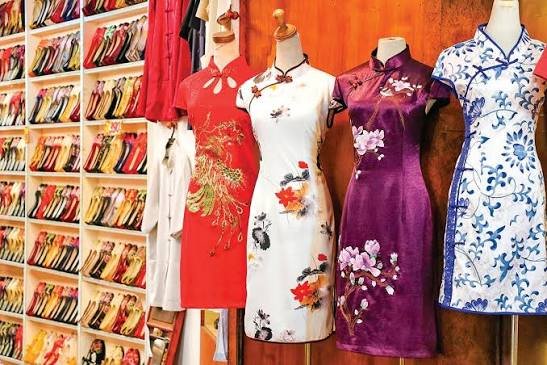
旗袍
旗袍 qípáo is a fitted dress often associated with modern Chinese elegance.
It developed from Manchu-related clothing history and became especially famous in the twentieth century.
Today, it may be worn for weddings, banquets, formal events, performances, or photos.
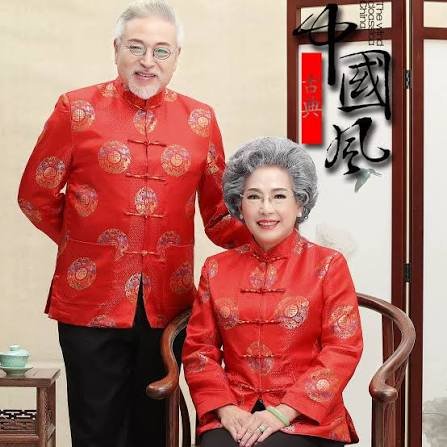
唐装
唐装 Tángzhuāng usually refers to a modern Chinese-style jacket, often with a standing collar and knot buttons.
It is commonly seen during festivals, celebrations, formal events, or cultural performances.
4. Ethnic Minority Clothing
Many ethnic minority groups in China have distinctive clothing traditions. These may include embroidery, silver ornaments, bright colors, headwear, boots, robes, or patterns connected with local history and identity.
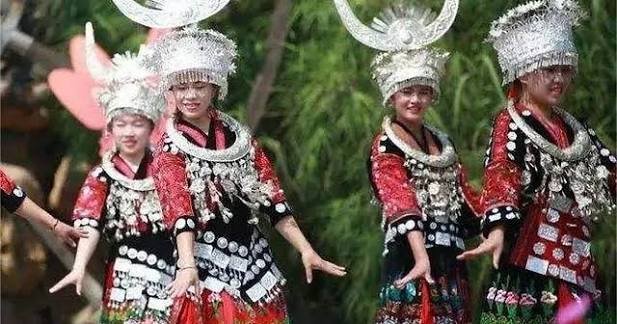
Silver ornaments and embroidery
Miao clothing is often known for detailed embroidery and silver jewelry. These designs can carry family, regional, and cultural meanings.
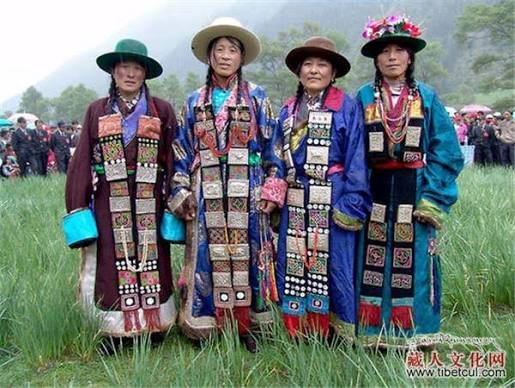
Robes and plateau life
Tibetan clothing is influenced by climate, religion, and plateau lifestyle. Robes and layered clothing are common cultural images.
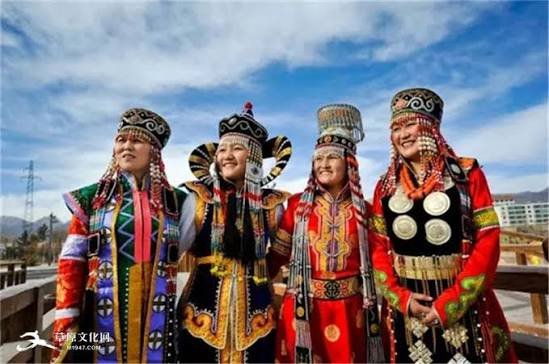
Grassland clothing
Mongolian clothing often reflects grassland life, horseback culture, climate, and ceremonial occasions.
5. Wedding Clothing and the Meaning of Red
In traditional Chinese weddings, red is one of the most important colors. It is associated with happiness, celebration, good luck, and a joyful beginning.
红色
红色 hóngsè means red. It is strongly linked with weddings, Chinese New Year, red envelopes, and celebrations.
Red wedding clothes
In some Chinese weddings, the bride may wear a red dress, red qipao, or traditional-style wedding outfit.
Many modern weddings combine Western white dresses and Chinese red outfits.
Double happiness
The character 囍 xǐ, double happiness, is often used in weddings to express joy and good wishes.
6. Colors and Their Cultural Meanings
Colors in Chinese culture can carry symbolic meanings, especially in traditional settings, festivals, weddings, funerals, and formal events.
| Color | Chinese | Common meanings | Culture note |
|---|---|---|---|
| Red | 红色 hóngsè | Joy, luck, celebration, weddings, New Year. | The safest color for festive occasions. |
| Gold / Yellow | 金色 / 黄色 jīnsè / huángsè | Wealth, nobility, brightness, imperial associations. | Gold is common in lucky decorations. |
| White | 白色 báisè | Purity in modern contexts; mourning in traditional contexts. | White can be sensitive in traditional funeral-related contexts. |
| Black | 黑色 hēisè | Seriousness, formality, mystery, sometimes negative meanings. | Meaning depends strongly on context. |
| Green | 绿色 lǜsè | Nature, freshness, growth. | But “wearing a green hat” has a negative meaning for men. |
7. Dragons, Phoenixes, and Auspicious Animals
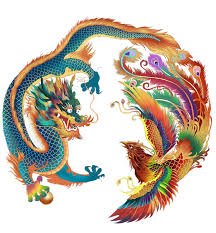
Animals in Chinese culture often carry symbolic meanings. They appear in clothing patterns, jewelry, architecture, paintings, wedding decoration, and festival designs.
龙
龙 lóng, the dragon, is a powerful symbol in Chinese culture. It is associated with strength, authority, good fortune, and Chinese identity.
凤
凤 fèng, the phoenix, is associated with beauty, grace, harmony, and auspiciousness. It often appears in wedding symbolism.
鱼
鱼 yú sounds like 余 yú, meaning surplus. Fish symbolizes abundance.
The phrase 年年有余 means “may you have abundance every year.”
8. Flowers, Plants, and Lucky Patterns
Many flowers and plants are used as cultural symbols. They may appear in clothing, paintings, porcelain, embroidery, gardens, and decorations.
牡丹
牡丹 mǔdān, the peony, is often associated with wealth, beauty, and honor.
莲花
莲花 liánhuā, the lotus, is associated with purity, elegance, and rising above difficulty.
梅花
梅花 méihuā, the plum blossom, blooms in cold weather and symbolizes strength, resilience, and elegance.
竹子
竹子 zhúzi, bamboo, is associated with integrity, flexibility, humility, and inner strength.
松树
松树 sōngshù, pine, is associated with longevity and endurance.
祥云
祥云 xiángyún means auspicious clouds. Cloud patterns are often used in traditional design to express good fortune.
9. The Character 福 and Wordplay Symbols
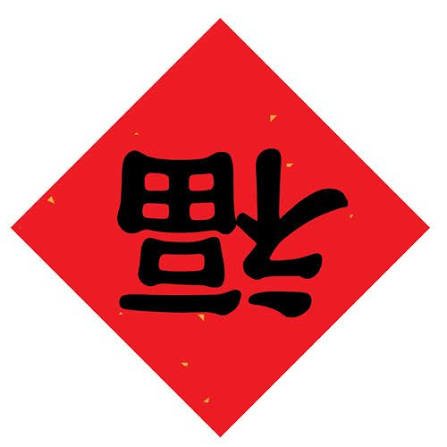
Some symbols are based on Chinese characters, pronunciation, or wordplay. This is why learning Chinese helps you understand Chinese decoration more deeply.
福
福 fú means blessing, good fortune, or happiness.
During Chinese New Year, people often put the character 福 on doors or walls.
福倒了 / 福到了
Sometimes 福 is placed upside down because 倒 dào, “upside down,” sounds like 到 dào, “arrive.”
So 福倒了 sounds like 福到了 — “good fortune has arrived.”
Useful phrase:
福到了!
Fú dào le!
Good fortune has arrived!
10. What This Means for Chinese Learners
Clothing and symbols are useful cultural clues. They help learners understand festivals, weddings, decorations, gifts, architecture, paintings, and everyday design.
Learn cultural words
Words like 红色, 吉祥, 福, 龙, 凤, and 汉服 often appear in festivals, travel, weddings, and cultural conversations.
Read symbols
When you see fish, clouds, red paper, lotus flowers, dragons, or phoenixes, you can understand the wishes behind them.
Avoid awkward choices
Knowing color meanings and taboos helps you choose gifts, clothes, flowers, and decorations more appropriately.
Useful Chinese Words
- 服装 fúzhuāng — clothing
- 服饰 fúshì — clothing and adornment
- 汉服 Hànfú — Han Chinese traditional clothing
- 旗袍 qípáo — qipao / cheongsam
- 唐装 Tángzhuāng — Tang-style Chinese jacket
- 红色 hóngsè — red
- 金色 jīnsè — gold
- 吉祥 jíxiáng — auspicious / lucky
- 福 fú — blessing / good fortune
- 龙 lóng — dragon
- 凤 fèng — phoenix
- 鱼 yú — fish
- 牡丹 mǔdān — peony
- 莲花 liánhuā — lotus
- 祥云 xiángyún — auspicious clouds
Conclusion
Traditional Chinese clothing and symbols are full of cultural meaning. They show ideas about beauty, good fortune, family, identity, respect, celebration, and hope.
For Chinese learners, this topic makes culture visible. Once you understand the meanings behind colors, clothing, animals, flowers, and characters, you can read Chinese festivals, weddings, gifts, and decorations with much deeper understanding.