
Food and Local Life
Chengdu Travel Guide
Chengdu is one of the best cities for understanding Sichuan culture, spicy food, teahouse life, pandas, and a relaxed urban rhythm.
As a guide, I would introduce Chengdu not only as the home of giant pandas and hot pot, but as a city where food, leisure, humor, tea, mahjong, old streets, and modern life blend naturally.
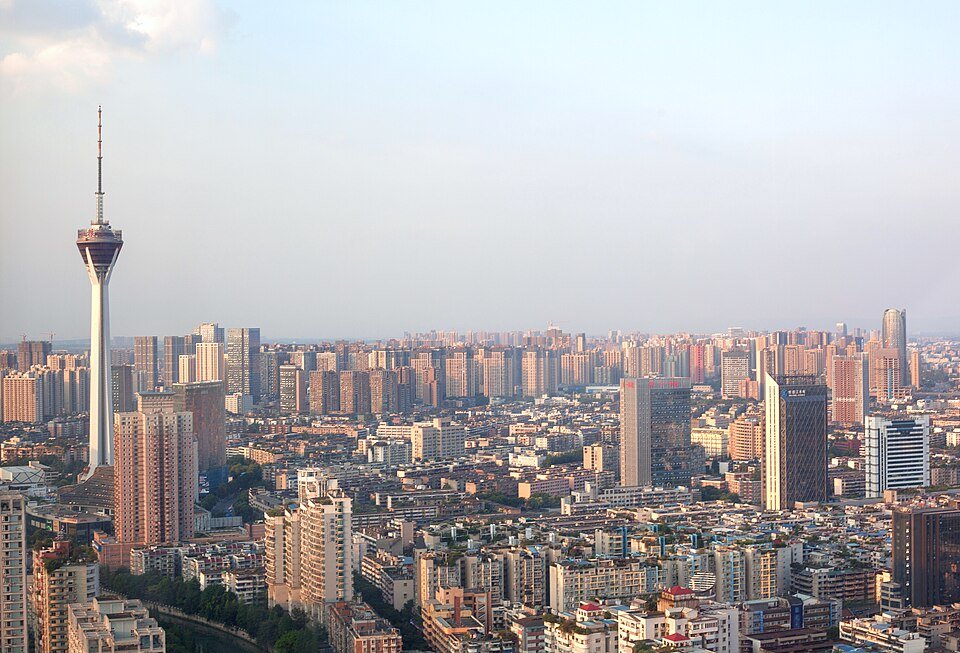
How to understand Chengdu
Chengdu is the capital of Sichuan Province and one of the most enjoyable cities in China for food and local life. It has a long history, but its strongest impression often comes from lifestyle: spicy food, teahouses, parks, and relaxed social spaces.
Spicy, lively, and expressive
Chengdu helps visitors understand Sichuan culture: bold flavors, warm social energy, local humor, and a love of comfort and enjoyment.
Tea and slow time
Chengdu is famous for its slower pace. Teahouses, parks, mahjong tables, and long meals show how people enjoy daily life.
Food as identity
Food is central to Chengdu’s identity. Hot pot, street snacks, noodles, rabbit, skewers, and small restaurants are part of how the city expresses itself.
What Chengdu feels like for first-time visitors
Many first-time visitors feel that Chengdu is friendly, relaxed, flavorful, and full of everyday pleasure. It is a big city, but it often feels more comfortable and human than many faster business cities.
Relaxed but energetic
Chengdu is not quiet in a boring way. It is relaxed but still lively: people eat late, chat loudly, drink tea for hours, and enjoy social life in public spaces.
Ancient streets beside modern life
You may visit old-style streets and temples, then step into a modern shopping district or café area. Chengdu feels traditional and contemporary at the same time.
Places I would introduce first
For a first trip to Chengdu, I would choose places that show pandas, Sichuan food culture, teahouse life, historical memory, and relaxed local neighborhoods.
 Must-see
Giant Panda Base
The Chengdu Research Base of Giant Panda Breeding is the most famous panda-related site in Chengdu.
Go early in the morning, because pandas are usually more active earlier in the day.
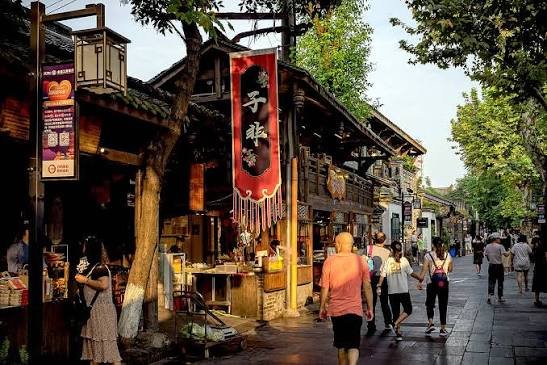 Old street
Kuanzhai Alley
Kuanzhai Alley, or 宽窄巷子 Kuānzhǎi Xiàngzi, is one of Chengdu’s best-known historic-style walking areas.
It is touristy, but useful for seeing renovated old streets, snacks, teahouses, shops, and local-style architecture.
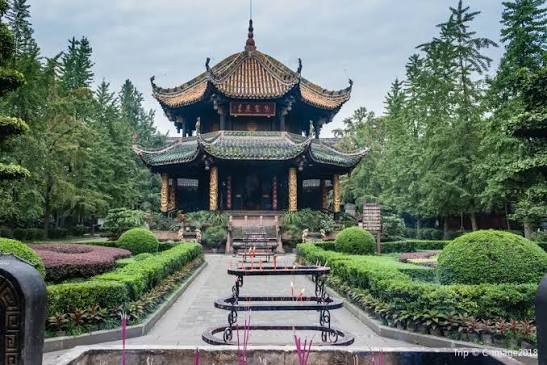 Culture
Wuhou Shrine and Jinli Street
Wuhou Shrine, or 武侯祠 Wǔhóu Cí, is connected with the Three Kingdoms period.
Nearby Jinli Street is popular for snacks, shops, and old-style atmosphere.
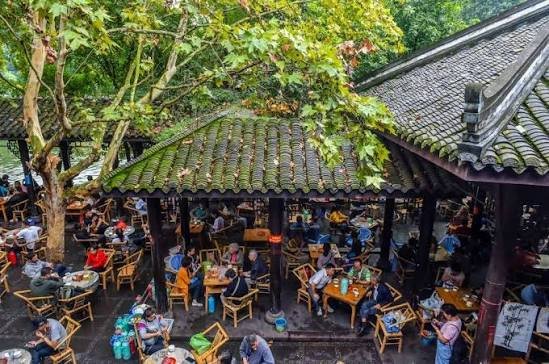 Local life
People’s Park
People’s Park, or 人民公园 Rénmín Gōngyuán, is one of the best places to understand Chengdu’s everyday rhythm.
Drink tea, watch people play mahjong, listen to conversations, and observe how locals spend free time.
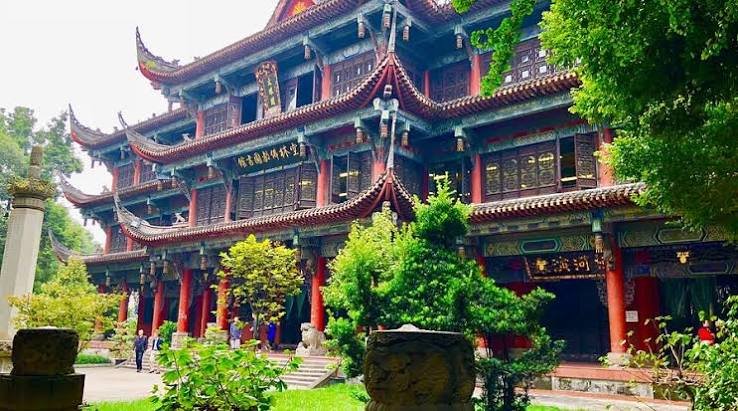 Temple
Wenshu Monastery
Wenshu Monastery, or 文殊院 Wénshū Yuàn, is a peaceful Buddhist site in the city.
It is a good place to slow down, drink tea nearby, and experience a quieter side of Chengdu.
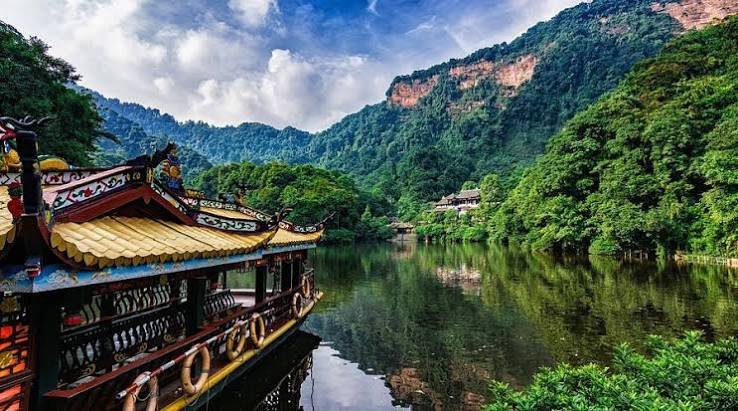 Nature
Qingcheng Mountain or Dujiangyan
If you have extra time, Qingcheng Mountain and Dujiangyan are excellent day trips from Chengdu.
They connect Sichuan with Taoist culture, mountain scenery, and ancient water management.
Food I would recommend
Chengdu is one of China’s greatest food cities. Sichuan food is famous for spicy flavors, but it is not only “hot.” It also uses fragrance, numbness, sourness, sweetness, and deep layers of seasoning.
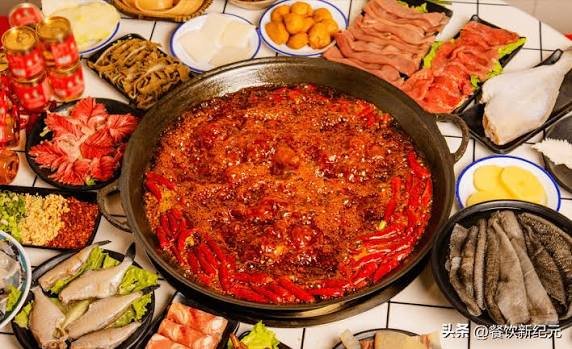 Classic
Sichuan Hot Pot
火锅 huǒguō is one of Chengdu’s most famous food experiences.
The spicy soup base, dipping sauce, shared table, and lively atmosphere are all part of the experience.
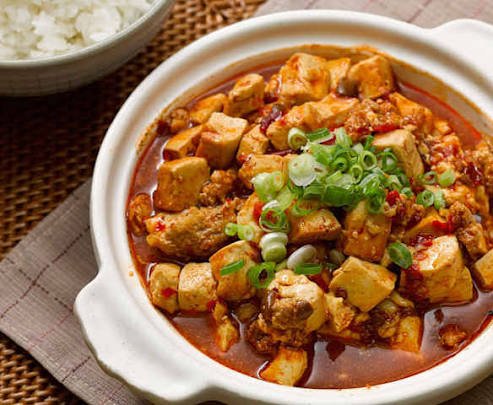 Flavor
Mapo Tofu
麻婆豆腐 mápó dòufu is a famous Sichuan dish with tofu, chili, fermented bean paste, and Sichuan peppercorn.
It is a good example of 麻辣 málà — numbing and spicy flavor.
 Street food
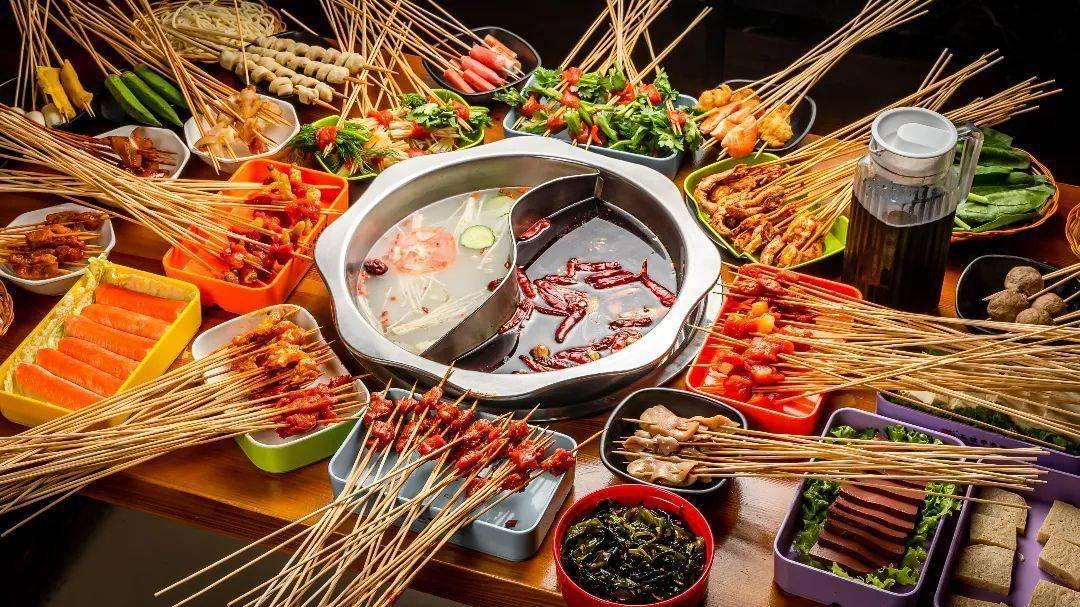
Chuan Chuan and Snacks
串串 chuànchuàn are skewers cooked in spicy broth.
Chengdu also has noodles, dumplings in chili oil, sweet snacks, rabbit dishes, and many small local foods worth trying.
A simple 3-day first-time route
This route gives first-time visitors a balanced experience of Chengdu: pandas, old streets, teahouse life, temples, Sichuan food, and nearby culture.
Pandas and Chengdu lifestyle
Giant Panda Base in the morning → People’s Park tea house → hot pot dinner. This day gives you the classic Chengdu first impression: pandas, tea, and food.
Old streets and cultural memory
Wuhou Shrine → Jinli Street → Kuanzhai Alley → Sichuan snacks. This day connects history, tourism, and local food culture.
Temple and nearby nature
Wenshu Monastery in the morning → relaxed lunch → Qingcheng Mountain or Dujiangyan day trip if you have enough time.
Useful cultural details to notice
Chengdu becomes more interesting when you notice how food, leisure, language, humor, and public spaces shape daily life.
Málà flavor
Sichuan food is famous for 麻辣 málà, a combination of numbing and spicy flavors created by Sichuan peppercorn and chili.
Teahouse culture
Teahouses in Chengdu are not only places to drink tea. They are social spaces where people talk, play cards, do business, rest, and enjoy time slowly.
Sichuan dialect
You may hear Sichuan dialect in restaurants, taxis, parks, and local neighborhoods. It sounds different from standard Mandarin and gives the city a strong local flavor.
Comfort and enjoyment
Chengdu people are often associated with knowing how to enjoy life. Food, tea, chatting, mahjong, and relaxed social time are important parts of the city’s image.
Practical travel advice
Chengdu is comfortable and enjoyable for travelers, but food, spice levels, and transportation planning matter.
| Topic | Guide advice |
|---|---|
| Best travel style | Mix sightseeing with food and leisure. Chengdu is best when you leave time to sit, eat, and observe local life. |
| Transportation | The metro is useful inside the city. For pandas and nearby day trips, plan transportation and timing carefully. |
| Walking | Old streets, parks, and temple areas are good for walking. Wear comfortable shoes and avoid rushing. |
| Booking | Popular panda visits, hot pot restaurants, and day trips may require advance planning during busy seasons. |
| Weather | Chengdu is often humid and can be cloudy. Summers are hot and humid; winters are damp and chilly. |
| Spice level | If you cannot eat spicy food, say 不要太辣 bù yào tài là — not too spicy. But even “not too spicy” may still be spicy for some visitors. |
Useful Chinese words for Chengdu
- 成都 Chéngdū — Chengdu
- 四川 Sìchuān — Sichuan
- 熊猫 xióngmāo — panda
- 火锅 huǒguō — hot pot
- 麻辣 málà — numbing and spicy
- 茶馆 cháguǎn — teahouse
- 麻将 májiàng — mahjong
- 宽窄巷子 Kuānzhǎi Xiàngzi — Kuanzhai Alley
- 人民公园 Rénmín Gōngyuán — People’s Park
Travel videos to watch
These videos can help you see the rhythm of Chengdu before reading or traveling.
Chengdu, China — A City I Truly Didn’t Expect
CoolVision. 1,468,999 views.
I experienced the REAL Chengdu 🇨🇳 China shocked me!
Travel For Phoebe. 301,410 views.
7 Days Exploring around Chengdu China: Sichuan Food, Pandas, Must-Visit Attractions
Clement Ying - Travel Diaries and 3 more. 261,703 views.
Video selection note: ranking used public YouTube search metadata available during review, especially view counts and topic relevance.
Final guide note
Chengdu is one of the best cities for foreign visitors who want to understand Chinese food culture and everyday pleasure. It is not only about seeing sights; it is about learning how a city enjoys life.
If you see pandas in the morning, drink tea in a park, eat hot pot at night, hear Sichuan dialect around you, and slow down enough to watch local life, you will already have touched several important sides of Chengdu.