
Food and Local Life
Guangzhou Travel Guide
Guangzhou is one of the best cities for understanding southern China, Cantonese culture, food traditions, trade history, and everyday local life.
As a guide, I would introduce Guangzhou not only as a big city, but as a place where morning tea, Cantonese language, old commercial streets, Pearl River night views, and practical southern Chinese life come together.
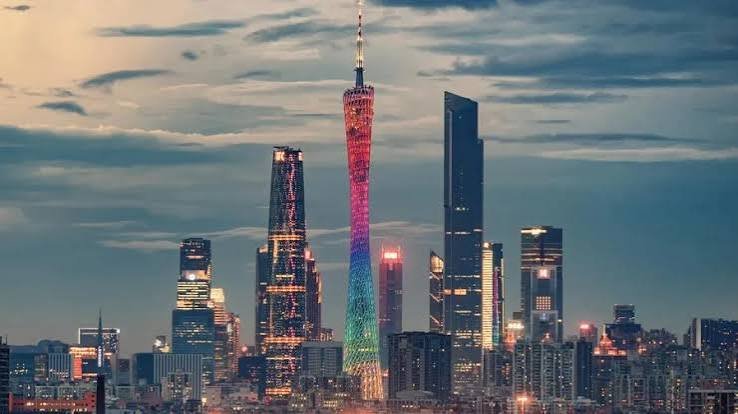
How to understand Guangzhou
Guangzhou is one of China’s oldest and most important trading cities. It has long been connected with overseas exchange, Cantonese culture, southern food, and commercial life.
More than Mandarin China
Guangzhou helps visitors understand that China is linguistically and culturally diverse. Cantonese, local food habits, and southern customs give the city a strong regional identity.
A gateway to the world
Guangzhou has a long history of trade and foreign contact. Its commercial spirit is practical, open, and deeply connected with the wider world.
Food as daily culture
In Guangzhou, food is not only something to eat. Morning tea, soup, dim sum, markets, and family meals are central to how people live and socialize.
What Guangzhou feels like for first-time visitors
Many first-time visitors feel that Guangzhou is lively, practical, humid, food-centered, and less formal than Beijing. It has a strong local rhythm and a very everyday kind of charm.
Busy and down-to-earth
Guangzhou can feel less polished than Shanghai and less ceremonial than Beijing, but it feels very real. Markets, restaurants, metro stations, old streets, and business districts all show its practical energy.
Old streets beside modern towers
You may see old arcade buildings, traditional dim sum restaurants, wholesale markets, and modern skyscrapers in the same city. This contrast is part of Guangzhou’s character.
Places I would introduce first
For a first trip to Guangzhou, I would choose places that show Cantonese culture, old trade history, modern skyline, riverside life, and local food.
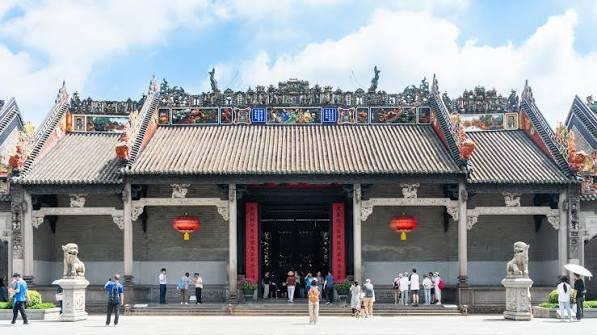 Must-see
Chen Clan Ancestral Hall
The Chen Clan Ancestral Hall, or 陈家祠 Chénjiā Cí, is one of the best places to see traditional Lingnan architecture.
Look carefully at the carvings, roof decorations, courtyards, and craft details. They show the artistic richness of Cantonese culture.
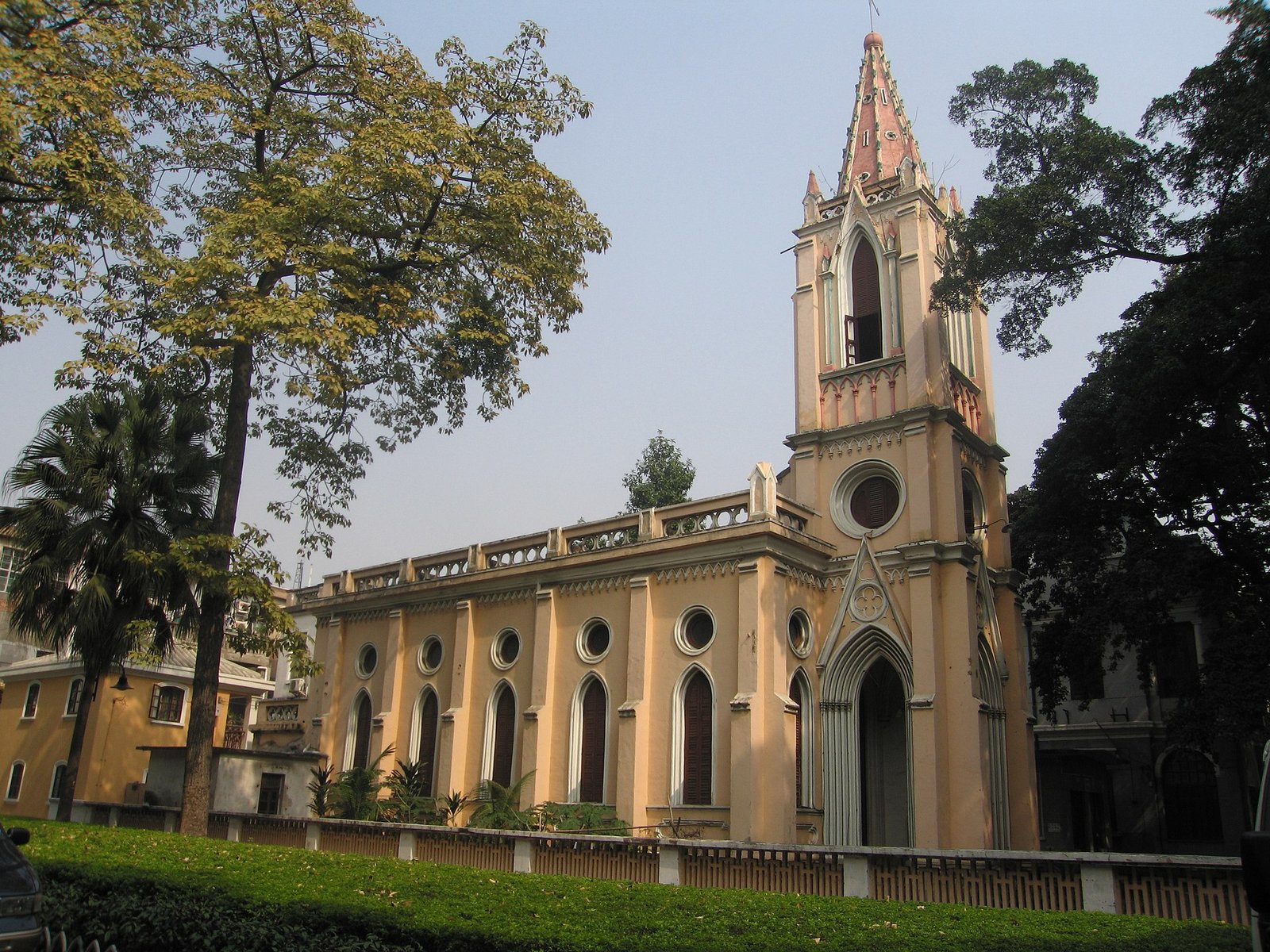 Old Guangzhou
Shamian Island
Shamian Island, or 沙面 Shāmiàn, has colonial-era buildings and quiet tree-lined streets.
It helps visitors understand Guangzhou’s history of foreign trade and international contact.
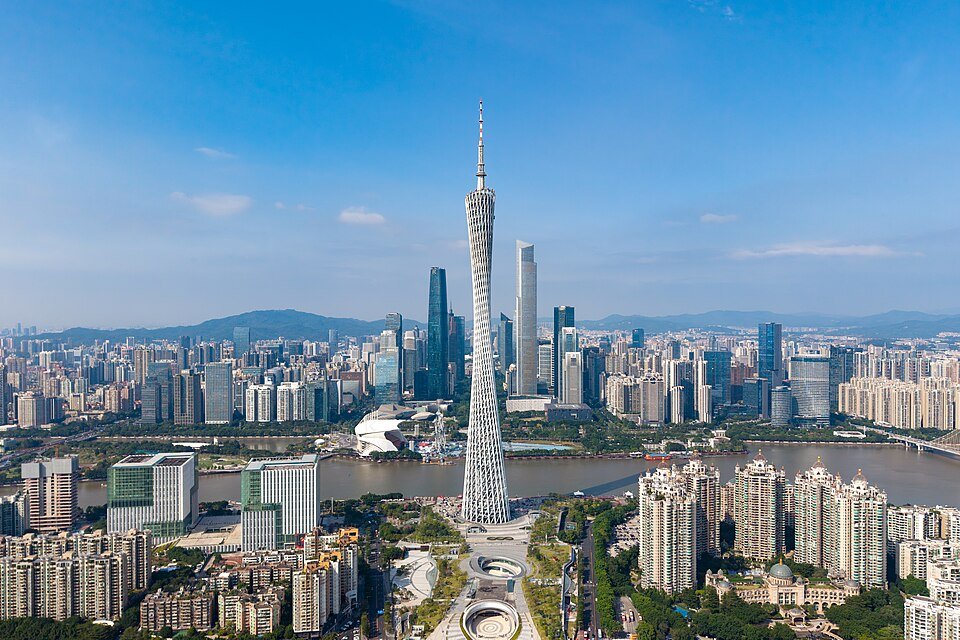 Modern landmark
Canton Tower
Canton Tower, or 广州塔 Guǎngzhōu Tǎ, is one of Guangzhou’s modern symbols.
It is especially impressive at night when the city lights up along the Pearl River.
 Local walk
Yongqing Fang
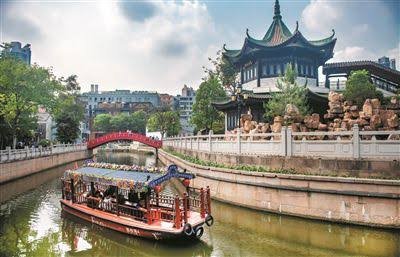
Yongqing Fang, or 永庆坊 Yǒngqìng Fāng, is a renovated old neighborhood with Lingnan-style streets, shops, cafés, and cultural spaces.
It is a good place to see how old Guangzhou is being adapted for modern life.
 River life
Pearl River Night View
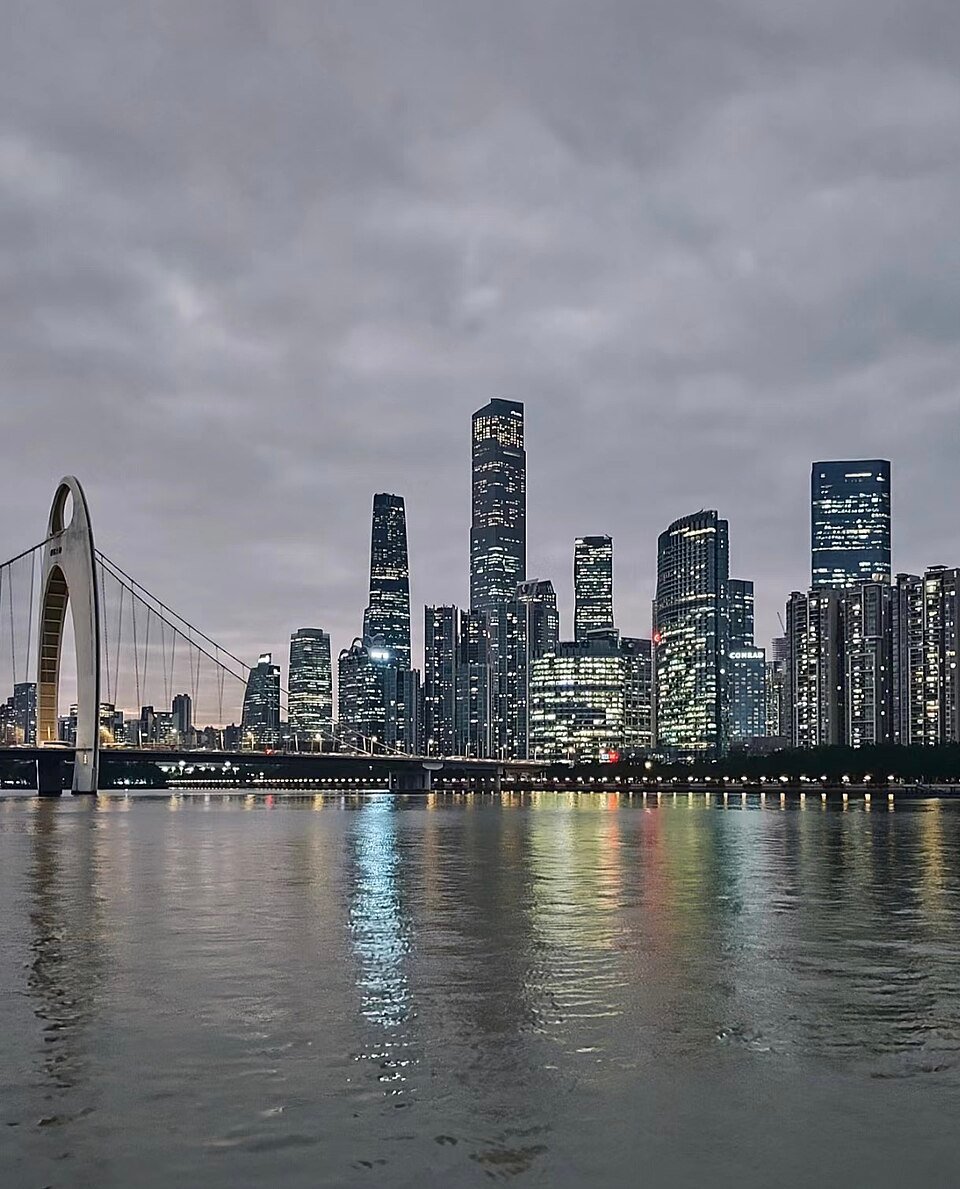
The Pearl River, or 珠江 Zhūjiāng, is important to Guangzhou’s city identity.
A night walk or river cruise helps visitors feel Guangzhou’s modern skyline and southern atmosphere.
 Shopping street
Beijing Road
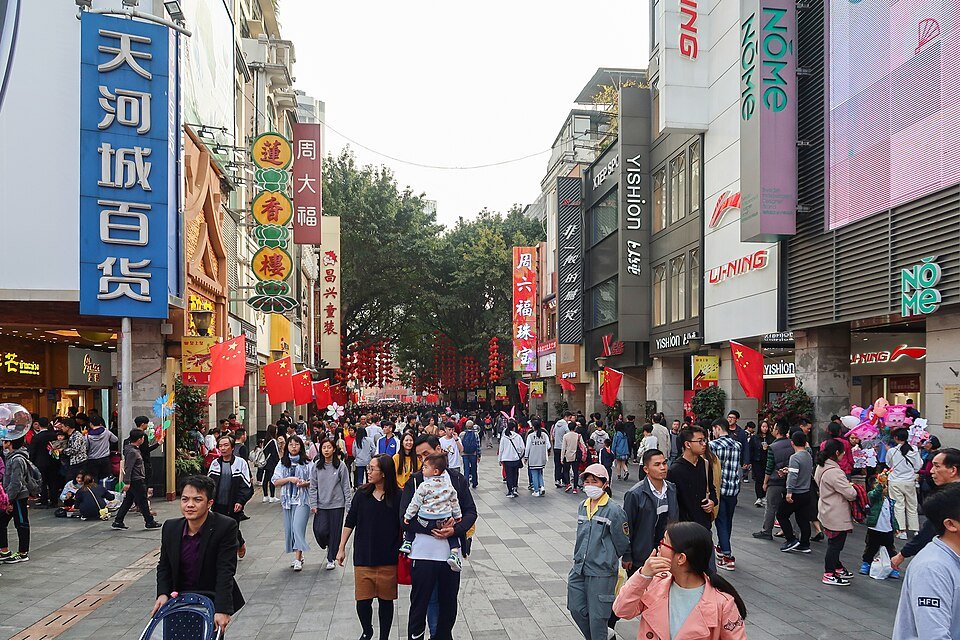
Beijing Road, or 北京路 Běijīng Lù, is a busy pedestrian shopping street.
It is touristy, but useful for seeing Guangzhou’s commercial energy, snacks, shops, and crowds.
Food I would recommend
Guangzhou is one of China’s greatest food cities. For many visitors, the food is the main reason to come.
 Classic
Dim Sum and Morning Tea
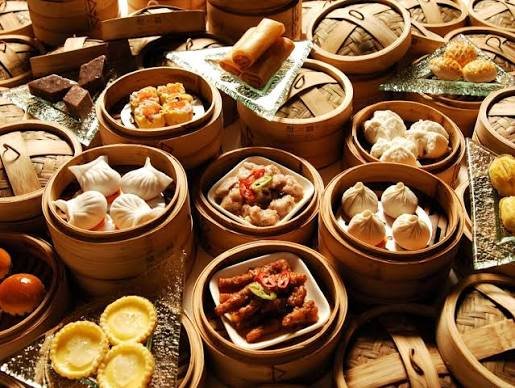
早茶 zǎochá, or morning tea, is one of the most important Cantonese food traditions.
It includes tea, dim sum, steamed buns, dumplings, rice rolls, and a slow social meal with family or friends.
 Local
Local
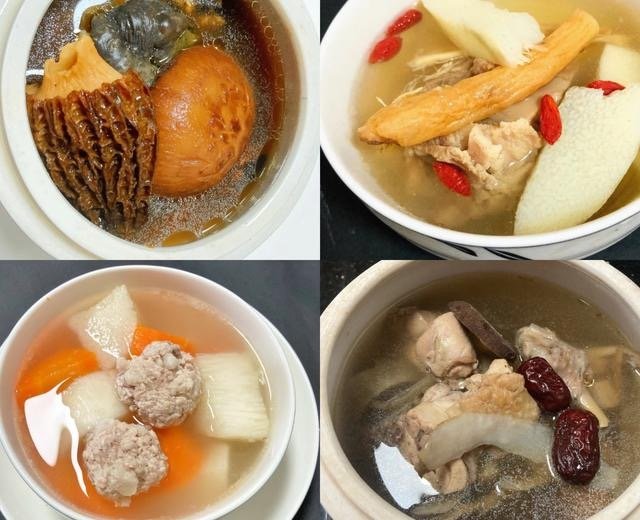
Cantonese Soup
老火汤 lǎohuǒ tāng is slow-cooked Cantonese soup.
Soup is deeply connected with Cantonese ideas of health, seasonality, and family care.
 Street food
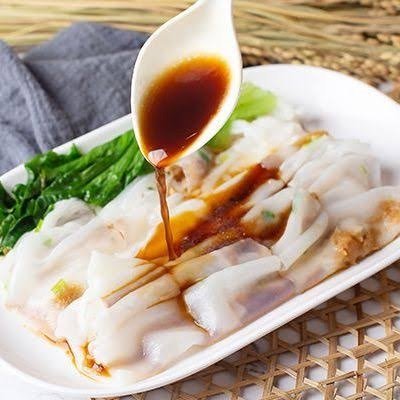
Rice Rolls and Roast Meats
肠粉 chángfěn, or rice rolls, are a classic local breakfast or snack.
Roast goose, roast duck, and char siu also show the Cantonese love of careful roasting and balanced flavor.
A simple 3-day first-time route
This route gives first-time visitors a balanced experience of Guangzhou: old culture, food, river views, modern skyline, and local neighborhoods.
Old Guangzhou and Cantonese culture
Morning tea → Chen Clan Ancestral Hall → Yongqing Fang → local Cantonese dinner. This day helps you understand Lingnan architecture and local food culture.
Trade history and riverside city
Shamian Island → Beijing Road → Pearl River evening walk or cruise. This day connects Guangzhou’s trade history with its modern riverside life.
Modern Guangzhou
Canton Tower → Zhujiang New Town → museum or shopping area → dinner with Cantonese roast meats or seafood. This day shows the city’s modern business and urban side.
Useful cultural details to notice
Guangzhou becomes more interesting when you notice Cantonese language, food rituals, commercial habits, and southern Chinese lifestyle.
Cantonese identity
Guangzhou is a Cantonese-speaking city. Mandarin is widely used, but Cantonese remains important in local life, food culture, media, and identity.
Eating as social life
In Guangzhou, eating is a major social activity. Morning tea is not only breakfast; it is a way to meet family, chat, and enjoy time together.
Lingnan style
Traditional Lingnan architecture often uses courtyards, detailed decoration, ventilation, shaded spaces, and practical designs for the hot southern climate.
Practical commercial energy
Guangzhou has long been a city of markets, trade, wholesale business, and practical entrepreneurship.
Practical travel advice
Guangzhou is comfortable for travelers, but the weather, language environment, and food choices make it different from northern Chinese cities.
| Topic | Guide advice |
|---|---|
| Best travel style | Build the trip around food, old neighborhoods, riverside walks, and Cantonese culture. |
| Transportation | The metro is useful and covers many major areas. Taxis and ride-hailing are also convenient. |
| Walking | Old neighborhoods and riverside areas are good for walking, but take breaks because the weather can be hot and humid. |
| Booking | Popular restaurants and Canton Tower may require reservations, especially on weekends or holidays. |
| Weather | Guangzhou is warm and humid. Summers are hot and rainy, while winters are mild compared with northern China. |
| Language | Mandarin works in most situations, but you will hear a lot of Cantonese. Learning a few Cantonese greetings can be fun and appreciated. |
Useful Chinese words for Guangzhou
- 广州 Guǎngzhōu — Guangzhou
- 广东 Guǎngdōng — Guangdong Province
- 粤语 Yuèyǔ — Cantonese
- 早茶 zǎochá — morning tea / dim sum meal
- 点心 diǎnxin — dim sum / snacks
- 肠粉 chángfěn — rice rolls
- 老火汤 lǎohuǒ tāng — slow-cooked Cantonese soup
- 珠江 Zhūjiāng — Pearl River
- 广州塔 Guǎngzhōu Tǎ — Canton Tower
Travel videos to watch
These videos can help you see the rhythm of Guangzhou before reading or traveling.
China in 2100?! This Country Is 100 Years Ahead | Guangzhou 🇨🇳
Fatih Koparan. 630,149 views.
Guangzhou and Shunde, China's food paradise
人間煙火Snacks And Life. 608,991 views.
17 things I wish I knew before visiting CHINA 🇨🇳
Joel and Emilia. 538,021 views.
Video selection note: ranking used public YouTube search metadata available during review, especially view counts and topic relevance.
Final guide note
Guangzhou is one of the best cities for foreign visitors who want to understand food culture, Cantonese identity, southern Chinese life, and China’s long history of trade.
If you drink morning tea, listen to Cantonese in the streets, walk through old neighborhoods, see the Pearl River at night, and try local dishes, you will already have touched several important sides of Guangzhou.