
Chinese Culture
Chinese Tea Culture
Tea is one of the most familiar symbols of Chinese culture. It appears in daily life, family visits, business meetings, restaurants, weddings, festivals, and moments of rest.
For Chinese learners, tea culture is a useful way to understand hospitality, politeness, lifestyle, health ideas, and everyday conversation.
Teaching Visual
Four Ways to Understand Chinese Tea Culture
Tea culture is easier to understand if you look at it through these four ideas.
Daily Life
Tea is common at home, in offices, restaurants, tea houses, and family visits.
Hospitality
Serving tea is a simple and respectful way to welcome guests.
Aesthetics
Tea can express calm, patience, elegance, and appreciation of simple beauty.
Wellness
Many Chinese people connect tea with digestion, seasons, balance, and daily wellness.
1. Tea in Daily Chinese Life
Tea can be casual or formal. Some people drink tea every day with meals or at work, while others enjoy tea as a quiet ritual with special teaware.
A small cup, many meanings
In Chinese, 喝茶 hē chá simply means “to drink tea,” but in real life it can also mean relaxing, chatting, welcoming guests, doing business, or enjoying a slower moment.
Tea at home
Many families keep tea at home for daily drinking and for guests. Offering tea to visitors is a common gesture of welcome.
Tea at work
Some people drink tea during work or meetings. A cup of tea can make a conversation feel more relaxed.
Tea as social time
Friends may meet at a tea house, family members may chat over tea, and business partners may talk while drinking tea.
2. Common Types of Chinese Tea
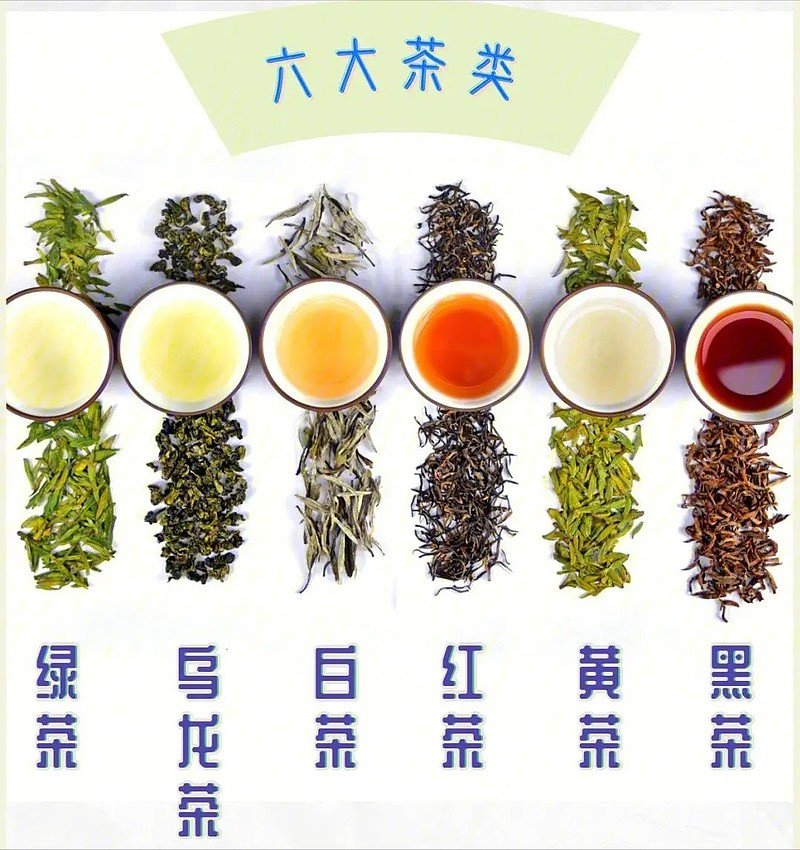
Chinese tea can be understood in two ways. First, learners can study broad tea categories, such as green tea or oolong tea. Then they can learn famous specific teas that people often mention in daily life, such as Longjing tea, Tieguanyin, and Pu’er tea.
Broad tea categories
| Tea category | Chinese | Making / processing | Color | Taste and aroma |
|---|---|---|---|---|
| Green tea | 绿茶 lǜchá |
Not fermented. The leaves are heated soon after picking to keep their fresh green character. | Dry leaves are usually green. The tea liquor is often pale green or yellow-green. | Fresh, light, grassy, sometimes slightly bitter or sweet. |
| Oolong tea | 乌龙茶 wūlóngchá |
Partially fermented. It sits between green tea and black tea in processing. | Leaves may be green, brown-green, or darker. The tea liquor is often golden or amber. | Fragrant, floral, layered, smooth, and more complex than many green teas. |
| White tea | 白茶 báichá |
Lightly processed. The leaves are usually withered and dried with minimal handling. | Dry leaves may look pale green, silver, or gray-white. The tea liquor is light yellow. | Gentle, delicate, soft, lightly sweet, and subtle. |
| Black tea | 红茶 hóngchá |
Fully fermented. In Chinese it is called “red tea” because of the color of the brewed tea. | The tea liquor is usually red, reddish brown, or amber. | Warm, smooth, mellow, sometimes sweet, malty, or fruity. |
| Yellow tea | 黄茶 huángchá |
Lightly fermented with a special “yellowing” process after heating. | Leaves and tea liquor often have a soft yellow color. | Mild, smooth, gentle, less grassy than green tea, with a soft fragrance. |
| Dark tea | 黑茶 hēichá |
Post-fermented tea. The tea may continue to change through aging or microbial fermentation. | The tea liquor can be dark red, brown, or deep amber. | Earthy, deep, mellow, rich, and sometimes woody or aged. |
Common teas you may hear in daily life
| Tea | Chinese | Making / processing | Color | Taste and aroma |
|---|---|---|---|---|
| Longjing tea | 龙井茶 lóngjǐng chá |
A famous green tea. The leaves are not fermented and are usually pan-fired to keep their fresh green character. | Dry leaves are green. The tea liquor is usually pale green or yellow-green. | Fresh, delicate, smooth, slightly grassy or nutty, with a gentle sweetness. |
| Tieguanyin | 铁观音 tiěguānyīn |
A famous oolong tea. It is partially fermented and often carefully rolled and roasted. | Leaves are often dark green or green-brown. The tea liquor can be golden yellow or light amber. | Floral, fragrant, layered, smooth, often with an orchid-like aroma. |
| Pu’er tea | 普洱茶 pǔ’ěr chá |
A fermented or post-fermented tea from Yunnan. It may be raw or ripe and is often aged. | The tea liquor can be amber, dark red, or deep brown depending on the tea and age. | Earthy, mellow, rich, deep, sometimes woody or slightly sweet after aging. |
| Jasmine tea | 茉莉花茶 mòlì huāchá |
Usually made by scenting tea leaves, often green tea, with jasmine flowers. | The tea liquor is usually light yellow or pale golden. | Floral, refreshing, fragrant, light, and easy to drink. |
| Chrysanthemum tea | 菊花茶 júhuā chá |
Made by steeping dried chrysanthemum flowers. It is often treated as a common flower tea. | The infusion is usually pale yellow or golden. | Gentle, floral, light, slightly sweet or herbal. |
| Flower tea | 花茶 huāchá |
A broad category. It may use flowers directly or tea leaves scented with flowers. | Color varies depending on the flower and tea base. | Usually aromatic and floral. Common examples include jasmine tea, chrysanthemum tea, rose tea, and osmanthus tea. |
3. Tea and Hospitality
Serving tea to guests is a common way to show politeness and care. The tea itself may be simple, but the gesture matters.
Offering tea
When guests arrive, a host may say 喝点茶吧 hē diǎn chá ba — “Have some tea.”
This makes the guest feel welcomed and comfortable.
Serving elders
Pouring tea for elders or guests can show respect. In formal situations, younger people may serve tea to older people first.
Tea and conversation
Tea can slow down a conversation and make it feel more comfortable, especially during family visits or business meetings.
4. Basic Tea Etiquette
Tea etiquette varies by region and situation, but some simple habits are useful for Chinese learners to know.
Do not fill the cup too full
In Chinese tea culture, people often say: 茶七分满 chá qī fēn mǎn — tea should be about seventy percent full.
A cup that is too full may be difficult to hold and can feel less polite.
The finger tap gesture
In some regions, especially in southern China, people may tap the table lightly with two fingers when someone pours tea for them.
This gesture is called 叩手礼 kòushǒulǐ and means “thank you.”
Useful phrase:
谢谢,茶很好喝。
Xièxie, chá hěn hǎo hē.
Thank you, the tea tastes very good.
5. Tea and the Seasons
Some Chinese people choose tea according to the season, weather, or how their body feels. This is connected with everyday wellness ideas.
Fresh and floral
In spring, people may enjoy fresh green tea or flower tea, which feel light and fragrant.
Light and refreshing
Green tea or lighter teas are often associated with freshness and cooling feelings in hot weather.
Fragrant and balanced
Oolong tea is often appreciated for its fragrance and balanced feeling.
Warm and rich
Black tea, Pu’er tea, or stronger teas may feel warmer and more comforting in colder weather.
6. Tea Houses and Gongfu Tea
Tea can be very simple, but it can also become a refined ritual. In some regions, people enjoy tea with special tools, small cups, and careful brewing methods.
茶馆
茶馆 cháguǎn means tea house. It can be a place for drinking tea, chatting, relaxing, watching performances, or meeting friends.
功夫茶
功夫茶 gōngfu chá is a careful style of tea brewing, especially associated with places like Guangdong and Fujian.
Slow appreciation
Tea appreciation may include the smell of the leaves, the color of the tea, the taste, the teaware, and the atmosphere.
7. Tea in Weddings and Formal Occasions
Tea also appears in important life events. One famous example is the Chinese wedding tea ceremony.
Tea ceremony
In some Chinese weddings, the couple serves tea to parents and elders to show respect and gratitude.
Elders may give blessings, gifts, or red envelopes in return.
Respect and family connection
The tea ceremony is not only about tea. It represents respect for family, joining two families, and receiving blessings from elders.
8. Useful Tea Phrases
These phrases are useful when visiting Chinese friends, drinking tea, or talking about tea.
| Chinese | Pinyin | Meaning | When to use it |
|---|---|---|---|
| 你喜欢喝茶吗? | Nǐ xǐhuan hē chá ma? | Do you like drinking tea? | Starting a casual conversation about tea. |
| 你喜欢什么茶? | Nǐ xǐhuan shénme chá? | What kind of tea do you like? | Asking about tea preferences. |
| 喝点茶吧。 | Hē diǎn chá ba. | Have some tea. | Offering tea to someone. |
| 我给你倒茶。 | Wǒ gěi nǐ dào chá. | I’ll pour tea for you. | When serving tea. |
| 这个茶很香。 | Zhège chá hěn xiāng. | This tea smells very fragrant. | Complimenting tea. |
| 茶有点苦。 | Chá yǒudiǎn kǔ. | The tea is a little bitter. | Describing taste. |
| 谢谢,茶很好喝。 | Xièxie, chá hěn hǎo hē. | Thank you, the tea tastes very good. | Polite response when drinking tea. |
9. What This Means for Chinese Learners
Tea culture gives learners a natural way to understand Chinese hospitality, politeness, lifestyle, and daily conversation.
Learn useful daily words
Tea-related words are practical because they appear in homes, restaurants, gifts, travel, and conversations.
Understand politeness
Offering, pouring, receiving, and complimenting tea are all small actions that show respect and warmth.
Notice everyday habits
Tea reflects how many Chinese people think about rest, conversation, digestion, seasons, and health habits.
Useful Chinese Words
- 茶 chá — tea
- 喝茶 hē chá — to drink tea
- 泡茶 pào chá — to brew tea
- 倒茶 dào chá — to pour tea
- 茶叶 cháyè — tea leaves
- 茶杯 chábēi — teacup
- 茶壶 cháhú — teapot
- 茶馆 cháguǎn — tea house
- 绿茶 lǜchá — green tea
- 乌龙茶 wūlóngchá — oolong tea
- 白茶 báichá — white tea
- 红茶 hóngchá — black tea, literally “red tea” in Chinese
- 黄茶 huángchá — yellow tea
- 黑茶 hēichá — dark tea
- 龙井茶 lóngjǐng chá — Longjing tea
- 铁观音 tiěguānyīn — Tieguanyin
- 普洱茶 pǔ’ěr chá — Pu’er tea
- 茉莉花茶 mòlì huāchá — jasmine tea
- 菊花茶 júhuā chá — chrysanthemum tea
- 花茶 huāchá — flower tea
- 功夫茶 gōngfu chá — gongfu tea
- 叩手礼 kòushǒulǐ — finger tap gesture to say thanks for tea
Conclusion
Chinese tea culture is not only about taste. It is about hospitality, respect, calmness, daily habits, family visits, social relationships, and lifestyle.
For Chinese learners, tea culture is a gentle but powerful doorway into Chinese daily life. A simple cup of tea can help you understand how people welcome, thank, respect, and connect with each other.