
Modern China
Hangzhou Travel Guide
Hangzhou is one of the best cities for understanding the elegant side of China. It combines classical beauty, tea culture, Jiangnan scenery, Buddhist heritage, and modern digital life.
As a guide, I would introduce Hangzhou not only as “the city of West Lake,” but as a place where poetry, water, gardens, tea fields, temples, technology, and a softer rhythm of urban life come together.
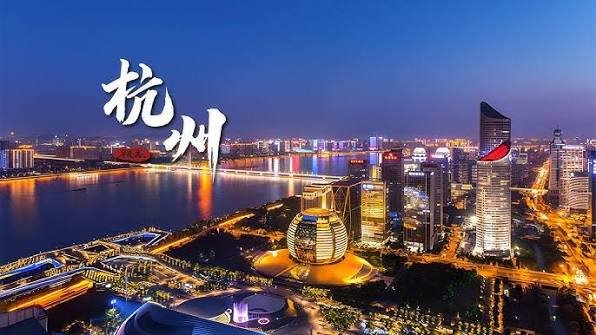
How to understand Hangzhou
Hangzhou has long been admired in Chinese culture for its beauty. It is often associated with West Lake, classical poetry, Jiangnan elegance, silk, tea, temples, and refined daily life.
Water, gardens, and poetry
Hangzhou represents the softer, more elegant side of Chinese culture. Lakes, bridges, willow trees, pavilions, and misty scenery are part of the city’s cultural image.
Digital economy and innovation
Hangzhou is also connected with China’s internet economy and digital life.
This contrast makes the city interesting: it feels classical and modern at the same time.
Tea, temples, and slow walks
Hangzhou’s charm is not only in famous sights. It is also in tea villages, temple paths, quiet neighborhoods, and the slower rhythm around West Lake.
What Hangzhou feels like for first-time visitors
Many first-time visitors feel that Hangzhou is gentler than Shanghai and less overwhelming than Beijing. The city has a romantic and poetic image, but it is also very modern and convenient.
Elegant and calm
Hangzhou often feels calm, green, and refined. West Lake gives the city a scenic center, and many parts of the city feel connected to water, gardens, and walking.
Classical scenery beside digital life
You may spend the morning walking around West Lake, then use mobile apps, digital payment, delivery services, and modern cafés in the afternoon.
Hangzhou is a good example of how traditional beauty and modern convenience can exist together.
Places I would introduce first
For a first trip to Hangzhou, I would choose places that show different layers of the city: West Lake scenery, tea culture, Buddhist temples, old streets, and modern urban life.
 Must-see
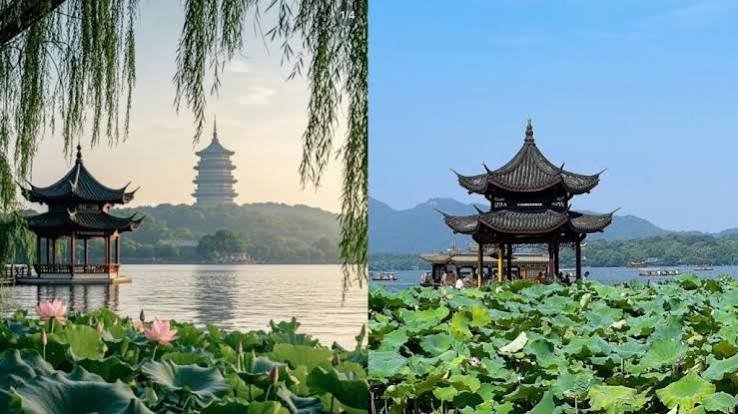
West Lake
West Lake, or 西湖 Xīhú, is the heart of Hangzhou.
Do not treat it as one simple attraction. Walk along the lake, cross bridges, sit by the water, and notice how scenery, poetry, and cultural memory are connected.
 Temple
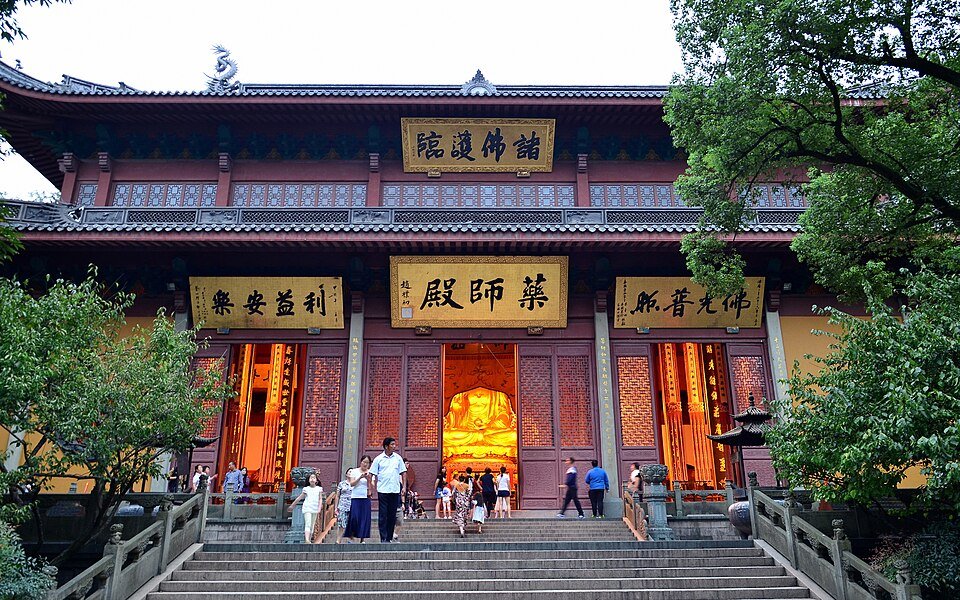
Lingyin Temple
Lingyin Temple, or 灵隐寺 Língyǐn Sì, is one of Hangzhou’s most important Buddhist sites.
It is a good place to experience temple culture, incense, mountain paths, stone carvings, and a quieter spiritual atmosphere.
 Tea culture
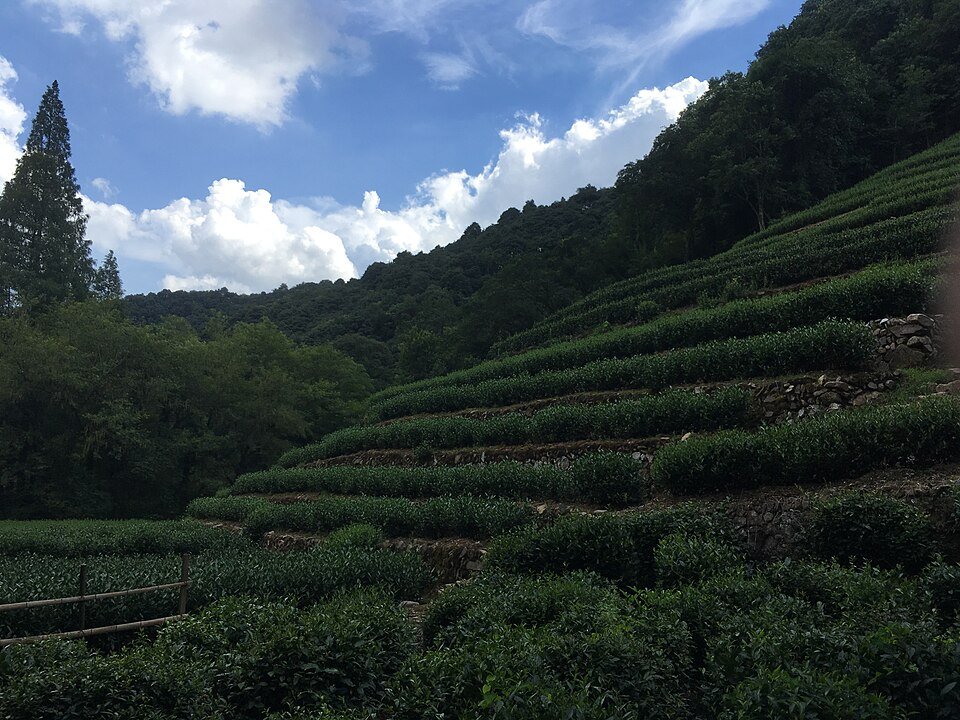
Longjing Tea Village
Longjing tea, or 龙井茶 Lóngjǐng chá, is one of China’s most famous green teas.
Visiting the tea village helps travelers understand tea fields, tea tasting, local hills, and the refined side of Hangzhou life.
 Old street
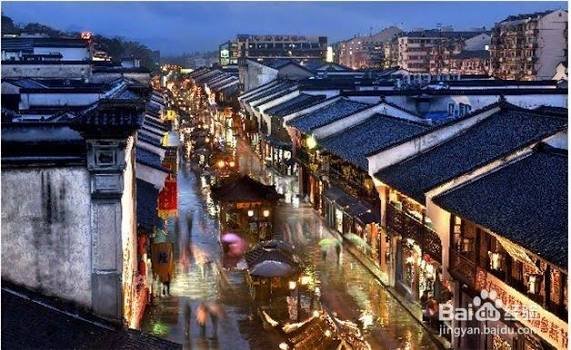
Hefang Street
Hefang Street, or 河坊街 Héfāng Jiē, is a historic commercial street with snacks, shops, local products, and traditional-style architecture.
It is touristy, but useful for first-time visitors who want a simple introduction to old Hangzhou street culture.
 Scenery
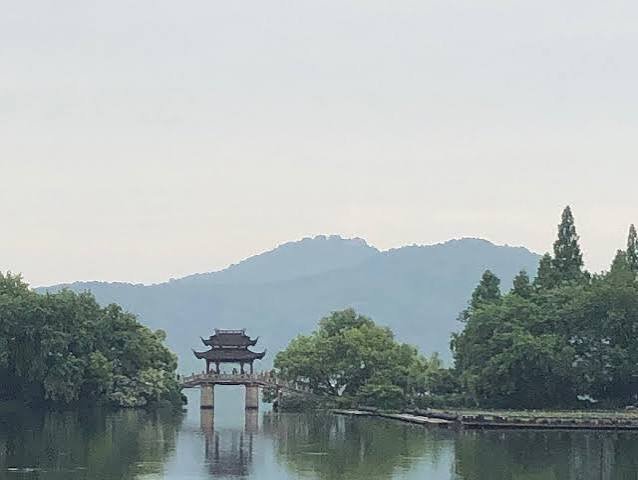
Su Causeway and Bai Causeway
The Su Causeway and Bai Causeway are two classic walking routes around West Lake.
They help visitors feel why West Lake has been loved by poets, painters, and travelers for centuries.
 Modern life
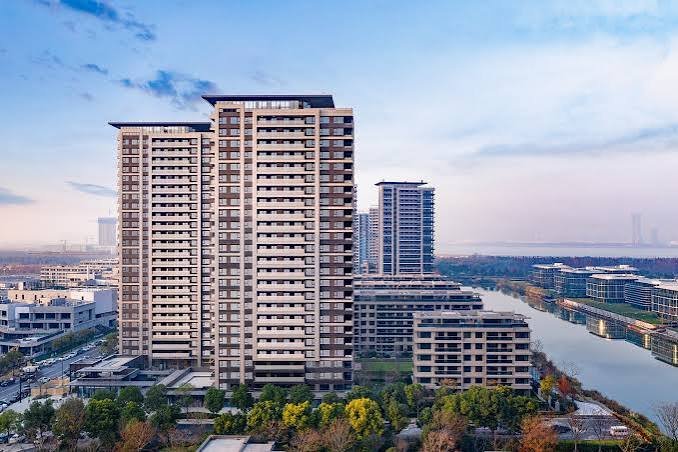
Modern city areas
Hangzhou also has shopping districts, modern cafés, museums, digital companies, and new urban spaces.
These areas show the city’s connection with contemporary Chinese lifestyle and technology.
Food I would recommend
Hangzhou food is part of Jiangnan cuisine. It often feels lighter, sweeter, and more delicate than northern or Sichuan food.
 Classic
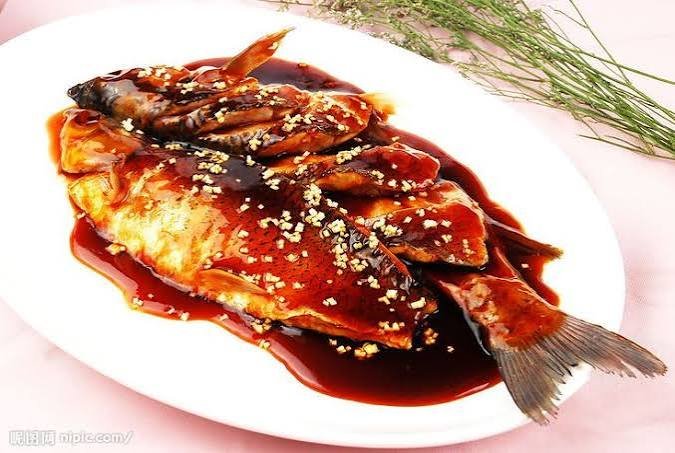
West Lake Vinegar Fish
西湖醋鱼 Xīhú cùyú is one of Hangzhou’s most famous traditional dishes.
The flavor is sweet and sour, and the dish is strongly connected with West Lake culture.
 Local
Local
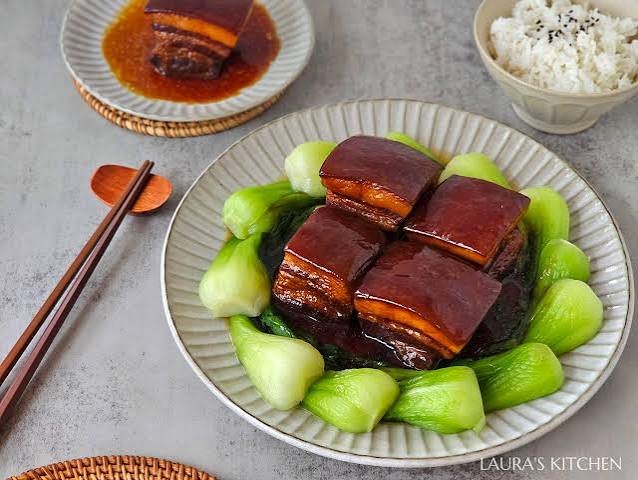
Dongpo Pork
东坡肉 Dōngpō ròu is braised pork connected with the poet Su Dongpo.
It is rich, soft, and a good example of how food, literature, and history can connect in Chinese culture.
 Tea
Tea
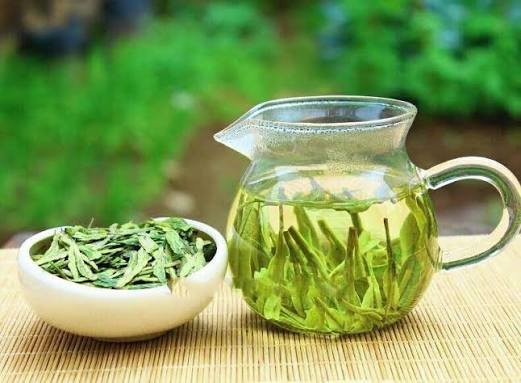
Longjing Tea
龙井茶 Lóngjǐng chá is not only something to drink. It is part of Hangzhou’s identity.
If you have time, drink tea slowly in a tea village or a quiet teahouse.
A simple 3-day first-time route
This route gives first-time visitors a balanced experience of Hangzhou: lake scenery, temple culture, tea fields, old streets, and modern city life.
West Lake and classic scenery
West Lake walk → Su Causeway or Bai Causeway → lakeside tea or café → evening lake view. This day helps you understand Hangzhou’s most famous cultural image.
Temple and tea culture
Lingyin Temple → mountain paths → Longjing Tea Village → tea tasting. This day connects Buddhism, nature, and tea culture.
Old street and modern Hangzhou
Hefang Street → local lunch → museum or modern city area → shopping or café walk. This day shows the contrast between old Hangzhou and modern urban life.
Useful cultural details to notice
Hangzhou becomes more interesting when you notice how much of the city’s identity is built around scenery, literature, tea, and elegant daily life.
Jiangnan elegance
Hangzhou belongs to the cultural world of Jiangnan. Water, gardens, bridges, willows, and soft scenery are important parts of its beauty.
Poetry and memory
West Lake has appeared in poetry, painting, legends, and literature for centuries. Many Chinese people know Hangzhou through cultural memory before they visit it.
Tea as lifestyle
Longjing tea is not only a local product. It reflects a slower, more refined way of enjoying time, conversation, and nature.
Digital convenience
Hangzhou is also a very modern city. Its connection with digital economy makes it a good place to observe how traditional scenery and modern app-based life coexist.
Practical travel advice
Hangzhou is a comfortable city for first-time travelers, but it is best enjoyed with a slower pace.
| Topic | Guide advice |
|---|---|
| Best travel style | Slow travel works best. Walk, sit by the lake, drink tea, and avoid packing too many attractions into one day. |
| Transportation | The metro and taxis are useful. Around West Lake, walking is often better than moving too quickly by car. |
| Walking | Wear comfortable shoes. Lakeside paths, temple areas, and tea villages involve a lot of walking. |
| Booking | Popular temples, museums, and scenic areas may have reservation rules during holidays or busy seasons. |
| Weather | Spring and autumn are especially pleasant. Summer can be hot and humid, while rainy or misty days can also be beautiful around West Lake. |
| Food | Hangzhou food may taste lighter and sweeter than some visitors expect. Try local dishes, but also leave time for tea. |
Useful Chinese words for Hangzhou
- 杭州 Hángzhōu — Hangzhou
- 西湖 Xīhú — West Lake
- 灵隐寺 Língyǐn Sì — Lingyin Temple
- 龙井茶 Lóngjǐng chá — Longjing tea
- 茶园 cháyuán — tea plantation / tea garden
- 苏堤 Sūdī — Su Causeway
- 白堤 Báidī — Bai Causeway
- 西湖醋鱼 Xīhú cùyú — West Lake vinegar fish
- 东坡肉 Dōngpō ròu — Dongpo pork
Travel videos to watch
These videos can help you see the rhythm of Hangzhou before reading or traveling.
what to do in HANGZHOU, CHINA vlog | west lake, street food, han fu, pagoda
livansi. 104,743 views.
2D1N Solo Trip to HANGZHOU vlog | What to do, Where to eat | China Travel
Yul Daze. 94,028 views.
Hangzhou, China: Top 10 Tourist Attractions & Things to Do in 2026
TRIP XTREME. 71,752 views.
Video selection note: ranking used public YouTube search metadata available during review, especially view counts and topic relevance.
Final guide note
Hangzhou is not a city to rush through. It is a city to walk, sit, drink tea, and look carefully.
If you walk by West Lake, visit Lingyin Temple, drink Longjing tea, try local food, and notice the quiet elegance of Jiangnan scenery, you will already have touched the most important sides of Hangzhou.