
Modern China
Shenzhen Travel Guide
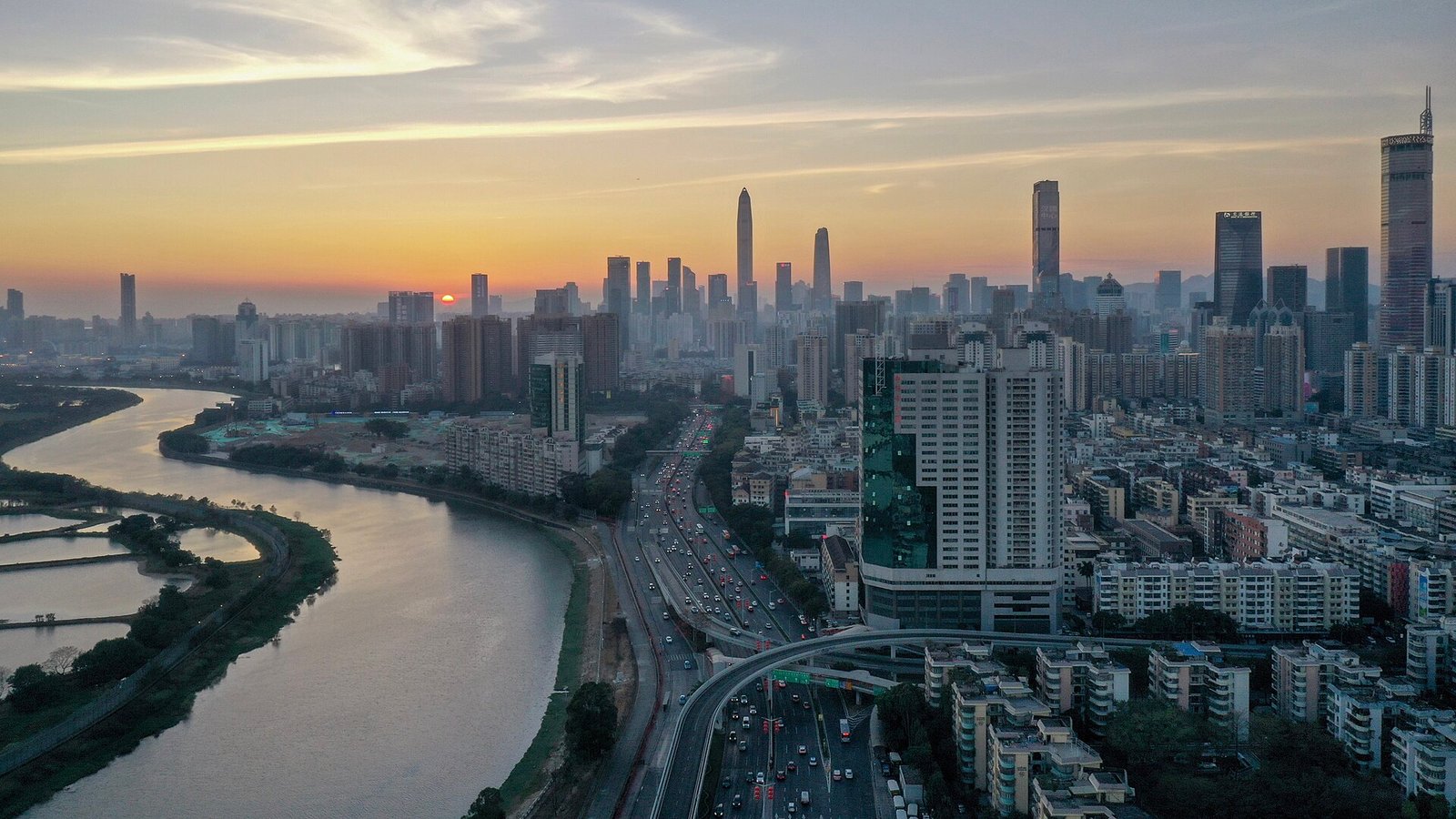
Shenzhen is one of the best cities for understanding China’s speed, technology, innovation, and modern urban energy. It is young, practical, efficient, and constantly changing.
As a guide, I would introduce Shenzhen not as a traditional sightseeing city, but as a window into contemporary China: reform and opening-up, technology companies, young professionals, shopping malls, coastal parks, creative neighborhoods, and fast digital life.
How to understand Shenzhen
Shenzhen was once a small fishing-area city near Hong Kong. After China’s reform and opening-up, it became one of the fastest-growing cities in the country. Today, it represents technology, entrepreneurship, design, manufacturing, and the energy of a young migrant city.
A city built by speed
Shenzhen is often described as a city of speed. Buildings, companies, metro lines, shopping areas, and new neighborhoods seem to appear quickly.
This speed helps visitors understand the rapid transformation of modern China.
Innovation and hardware
Shenzhen is closely connected with technology, electronics, hardware, startups, and manufacturing.
It is a good place to understand the practical side of China’s digital economy and product innovation.
A young migrant city
Many people in Shenzhen came from other parts of China for work and opportunity.
This makes the city feel open, young, hardworking, and less traditional than many older Chinese cities.
What Shenzhen feels like for first-time visitors
Many first-time visitors are surprised that Shenzhen does not feel like the “ancient China” they imagined. It feels clean, efficient, green, commercial, and highly connected to technology.
Young and efficient
Shenzhen often feels younger than other major Chinese cities. The streets, malls, offices, metro stations, and public spaces are usually modern and practical.
Business energy beside coastal life
Shenzhen is fast and business-oriented, but it also has coastal parks, greenways, beaches, mountains, and relaxed outdoor spaces.
This contrast makes the city more livable than many people expect.
Places I would introduce first
For a first trip to Shenzhen, I would choose places that show different layers of the city: modern skyline, reform history, technology markets, coastal scenery, creative culture, and cross-border identity.
 Must-see
Lianhua Mountain Park
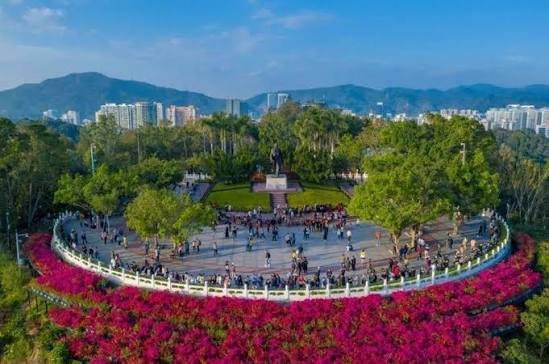
Lianhua Mountain Park, or 莲花山公园 Liánhuāshān Gōngyuán, is one of the best places to get a first impression of Shenzhen.
From the hilltop, you can see the modern city skyline and understand Shenzhen’s urban scale.
 Technology
Huaqiangbei
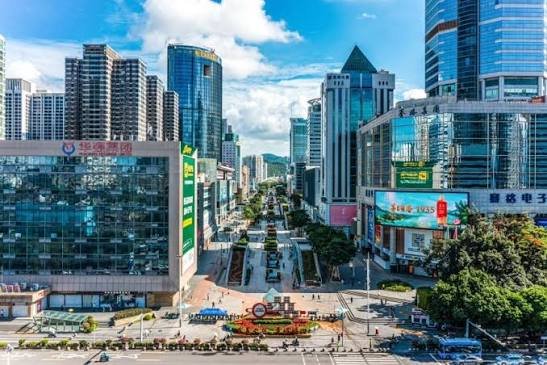
Huaqiangbei, or 华强北 Huáqiángběi, is famous for electronics markets and hardware culture.
It is one of the best places to feel Shenzhen’s connection with products, components, repair, wholesale, and technology entrepreneurship.
 Modern landmark
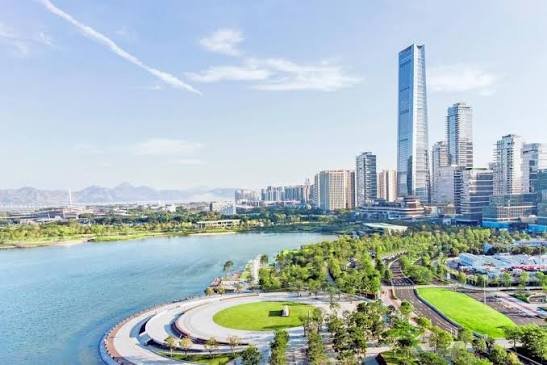
Ping An Finance Center Area
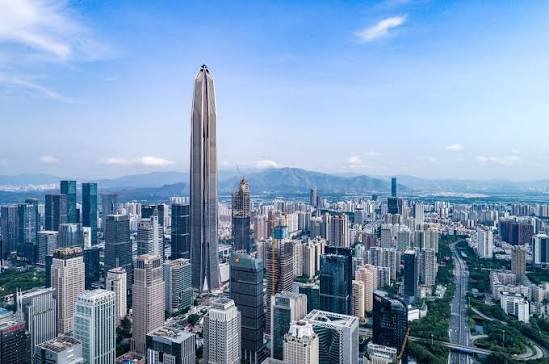
The Ping An Finance Center area represents Shenzhen’s modern financial and business image.
It is useful for understanding Shenzhen as a high-rise, commercial, and global-facing city.
 Coastal life
Shenzhen Bay Park
Shenzhen Bay Park, or 深圳湾公园 Shēnzhènwān Gōngyuán, is a great place for walking, cycling, and seeing the coastal side of the city.
It shows that Shenzhen is not only offices and malls, but also an outdoor city.
 Creative culture
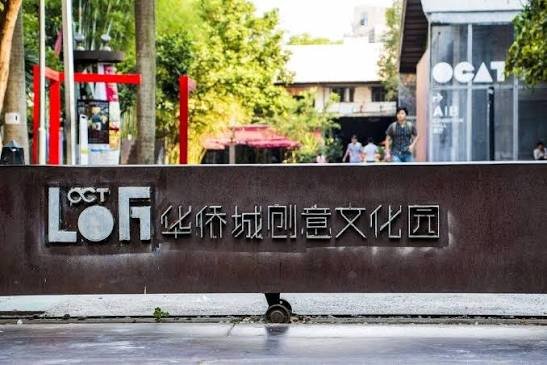
OCT-LOFT
OCT-LOFT, or 华侨城创意文化园, is a creative area with cafés, design shops, exhibitions, and cultural spaces.
It shows Shenzhen’s design, art, and young urban lifestyle.
 Theme park
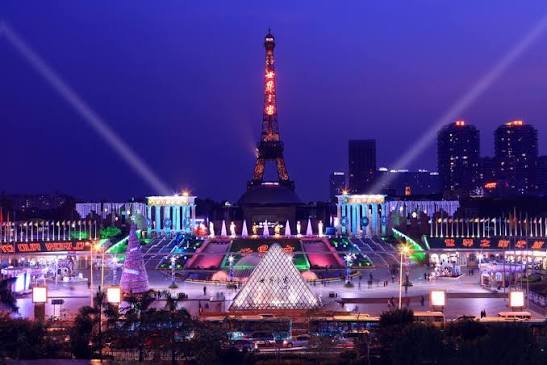
Window of the World
Window of the World, or 世界之窗 Shìjiè zhī Chuāng, is a theme park with miniature world landmarks.
It may feel unusual, but it reflects Shenzhen’s early tourism imagination and its desire to connect with the world.
Food I would recommend
Shenzhen is a migrant city, so its food culture is not limited to one old local tradition. You can find Cantonese food, Hunan food, Sichuan food, northeastern food, Hong Kong-style food, and many modern restaurant styles.
 Cantonese
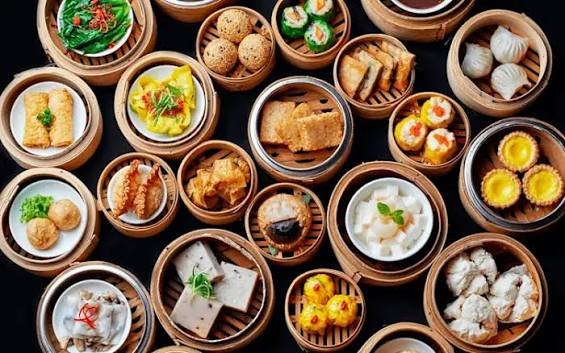
Dim sum and Cantonese food
Because Shenzhen is in Guangdong, Cantonese food is important. Dim sum, roast meats, soups, and seafood are all good choices.
 Migrant city
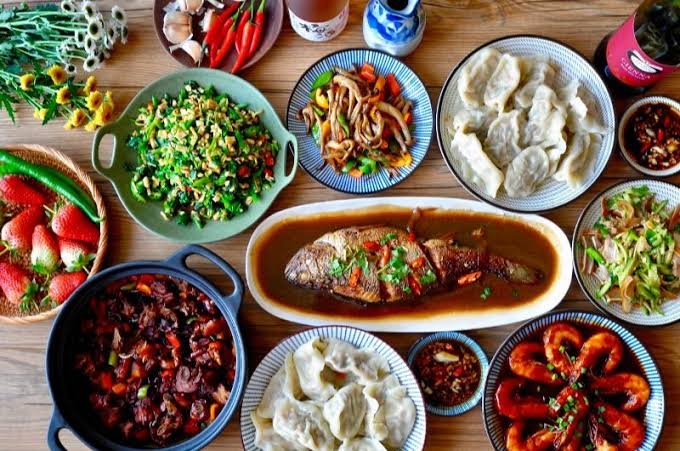
Food from all over China
Shenzhen is a good city to taste different regional Chinese cuisines in one place.
Many people moved here from other provinces, and they brought their food with them.
 Modern
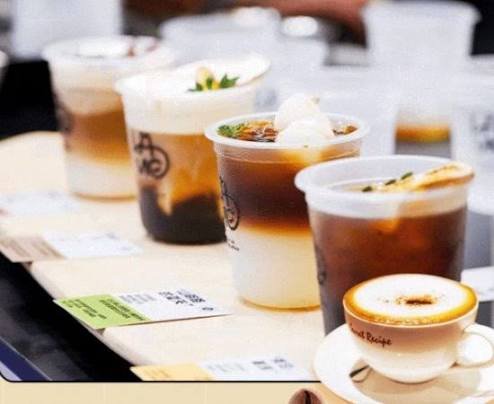
Cafés and new restaurants
Shenzhen has many modern cafés, shopping mall restaurants, bakeries, bubble tea shops, and international food options.
This side of Shenzhen reflects its young urban lifestyle.
A simple 3-day first-time route
This route gives first-time visitors a balanced view of Shenzhen: skyline, technology, coastal life, creativity, and everyday modern China.
Modern skyline and city identity
Lianhua Mountain Park → Civic Center area → Ping An Finance Center area → evening city view. This day helps you understand Shenzhen’s modern urban image.
Technology and creative Shenzhen
Huaqiangbei → electronics markets → OCT-LOFT cafés and creative spaces. This day shows Shenzhen’s practical innovation and young design culture.
Coastal and relaxed side
Shenzhen Bay Park → seaside walk or cycling → shopping mall dinner. This day helps you experience Shenzhen as a livable coastal city.
Useful cultural details to notice
Shenzhen becomes more interesting when you notice that it is not trying to look ancient. Its cultural value is in speed, opportunity, technology, migration, and practical modern life.
Reform-era identity
Shenzhen is strongly connected with China’s reform and opening-up. Its story is about transformation, economic experimentation, and rapid urban growth.
A city of newcomers
Many Shenzhen residents are not originally from Shenzhen. This gives the city a more open and flexible identity compared with older cities with stronger local traditions.
Mandarin and Cantonese area
Shenzhen is in Guangdong, but Mandarin is widely used because so many people come from other provinces. Cantonese culture is still nearby and important in the region.
Work hard, move fast
Shenzhen has a strong work and startup culture. Many people come here for jobs, business, technology, and opportunity.
Practical travel advice
Shenzhen is comfortable for first-time travelers, but the city is large and district-based, so planning matters.
| Topic | Guide advice |
|---|---|
| Best travel style | Focus on modern city life, technology, shopping, coastal parks, and district walks instead of ancient sightseeing. |
| Transportation | The metro is useful and efficient. Taxis and ride-hailing are also common. Plan by district to avoid wasting time. |
| Walking | Many areas are modern and walkable, but distances between districts can be long. |
| Booking | Most urban attractions are easy to visit, but check opening hours for museums, parks, exhibitions, or theme parks. |
| Weather | Shenzhen is warm and humid. Summer can be very hot and rainy, while winter is usually mild. |
| Nearby travel | Shenzhen is close to Hong Kong and Guangzhou, so it can be part of a Greater Bay Area travel route. |
Useful Chinese words for Shenzhen
- 深圳 Shēnzhèn — Shenzhen
- 改革开放 gǎigé kāifàng — reform and opening-up
- 科技 kējì — technology
- 创新 chuàngxīn — innovation
- 创业 chuàngyè — entrepreneurship / startup business
- 华强北 Huáqiángběi — Huaqiangbei electronics area
- 深圳湾 Shēnzhènwān — Shenzhen Bay
- 莲花山公园 Liánhuāshān Gōngyuán — Lianhua Mountain Park
- 世界之窗 Shìjiè zhī Chuāng — Window of the World
Travel videos to watch
These videos can help you see the rhythm of Shenzhen before reading or traveling.
THE most advanced city in the world?! How? Let me show you!
Heideexyz. 2,621,401 views.
Shenzhen: China’s Most Futuristic City
CoolVision. 2,505,962 views.
Walking in Shenzhen: The City of the Future | Cool Metro Stations and Shopping Areas
Walk East. 2,427,084 views.
Video selection note: ranking used public YouTube search metadata available during review, especially view counts and topic relevance.
Final guide note
Shenzhen is not the best city if you want ancient palaces or traditional streets. But it is one of the best cities for understanding how fast modern China has changed.
If you look at the skyline from Lianhua Mountain, walk through Huaqiangbei, relax by Shenzhen Bay, eat food from different provinces, and notice how young and mobile the city feels, you will understand why Shenzhen is such an important symbol of modern China.