
Chinese Culture
Gift-Giving Culture in China
Gift-giving is deeply embedded in Chinese culture and plays a crucial role in maintaining relationships, showing respect, and expressing goodwill.
Understanding the principles and customs surrounding this practice is essential for anyone interacting with Chinese people in personal or professional contexts.
Core Principles
In China, gifts are rarely just objects. They often carry social meaning and help express respect, care, gratitude, and goodwill.
Reciprocity and Relationship Building
Gift-giving in China is fundamentally about building and maintaining 关系 guānxi — interpersonal relationships and networks.
It is not simply a one-time gesture but part of an ongoing exchange that strengthens social bonds.
The act demonstrates thoughtfulness, respect, and investment in the relationship.
The principle of 礼尚往来 lǐ shàng wǎng lái — courtesy demands reciprocity — underscores the expectation of mutual exchange over time.
Face and Status Considerations
The concept of 面子 miànzi, or “face,” is central to Chinese gift-giving.
Gifts help preserve dignity and social status for both the giver and receiver.
The appropriateness and value of a gift reflects on both parties’ social standing and the importance of their relationship.
Both excessively extravagant or overly modest gifts can cause loss of face, so careful consideration of the recipient’s status and the occasion is essential.
Symbolic Meaning Over Material Value
While monetary value matters to some extent, the symbolic significance often carries more weight.
The thoughtfulness behind the selection, the timing, and the way it is presented can be more important than the actual cost of the gift.
Many gifts carry cultural symbolism. For example, peaches represent longevity, while pomegranates symbolize fertility.
Important Guidelines and Taboos
Certain gifts carry positive or negative connotations. Some items are traditionally avoided because they are associated with death, separation, bad luck, or uncomfortable meanings.
Clocks
Clocks, 送钟 sòng zhōng, sound like “attending a funeral,” so they are traditionally avoided as gifts.
White or Yellow Flowers
White or yellow flowers are associated with funerals in many traditional contexts.
Knives or Sharp Objects
Knives or sharp objects can symbolize severing relationships.
Handkerchiefs
Handkerchiefs are associated with tearful goodbyes.
Shoes
Shoes may sound like “evil” in some dialects or carry negative associations, so they are not always a safe gift choice.
Green Hats
Green hats symbolize that a man’s wife is being unfaithful, so they should be avoided.
Mirrors
Mirrors are sometimes believed to attract ghosts and can also break easily, symbolizing broken relationships.
Numbers, Colors, and Presentation
Numbers, colors, wrapping, and the way a gift is presented can all affect how the gift is received.
Number Symbolism
- 4 is unlucky because it sounds like “death.”
- 8 is extremely lucky and symbolizes prosperity.
- 6 and 9 are auspicious, suggesting smoothness and longevity.
- Even numbers are generally preferred, except for the number 4.
Color Significance
- Red and gold are auspicious colors representing luck, prosperity, and happiness.
- White and black are traditionally associated with mourning.
- White is increasingly accepted among younger generations and in modern contexts.
Presentation and Etiquette
- Use both hands when giving and receiving gifts.
- Wrap gifts in red, gold, or other auspicious colors.
- Offer gifts humbly with phrases like 只是一点小意思 — “just a small token.”
- Recipients may refuse two or three times before accepting to show modesty.
- Gifts are usually not opened immediately in front of the giver unless requested.
Common and Appropriate Gifts
The right gift depends on the relationship, occasion, age, and context. Here are some common choices.
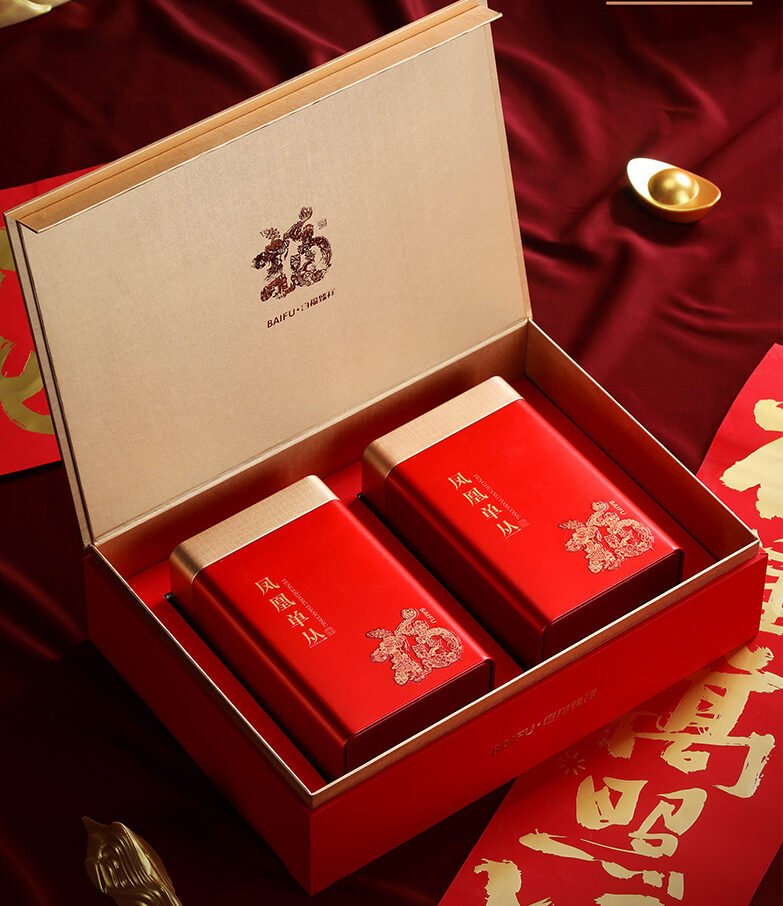
Premium Tea
Tea is a classic and respectful gift for business contacts, hosts, elders, teachers, and friends.
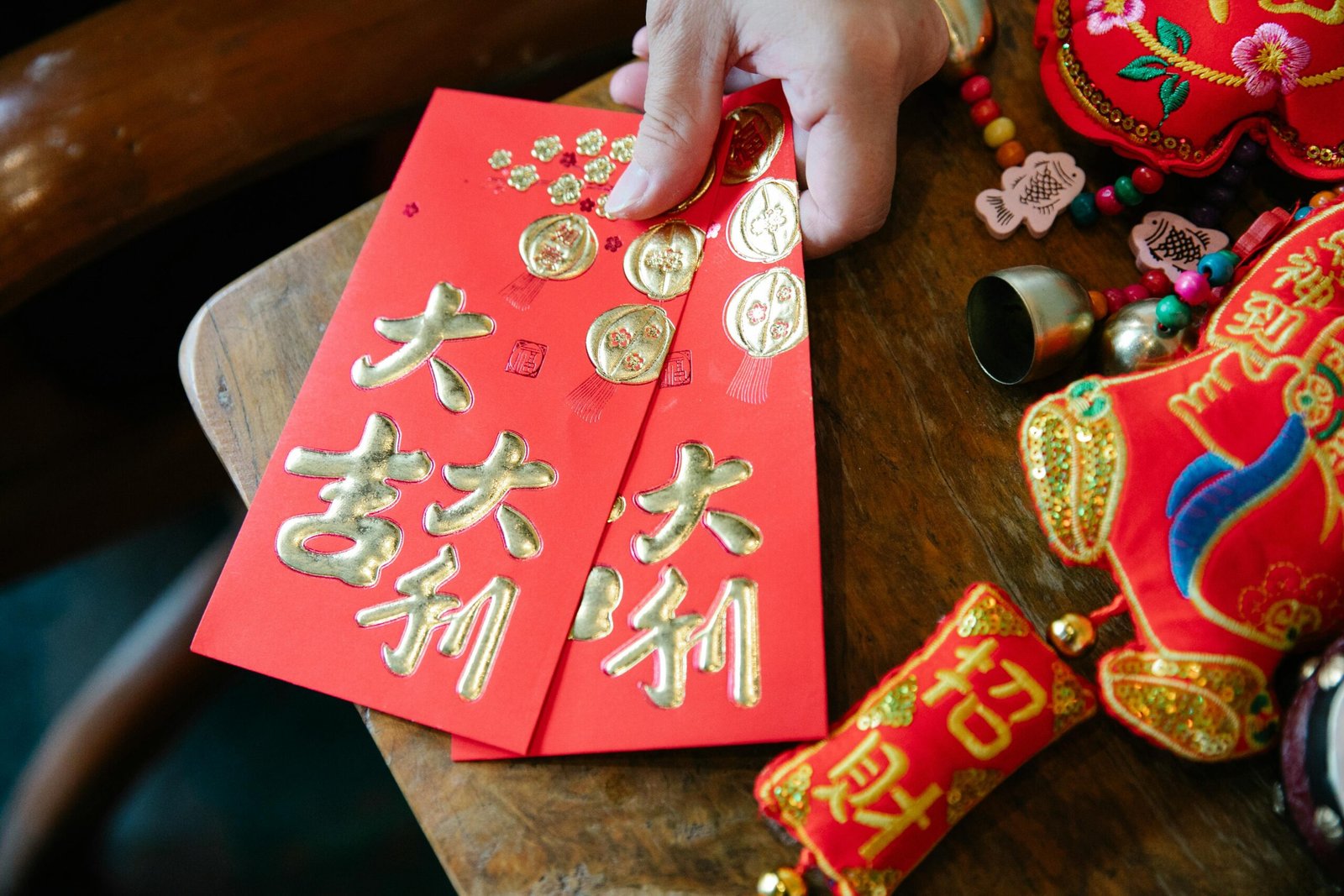
Red Envelopes
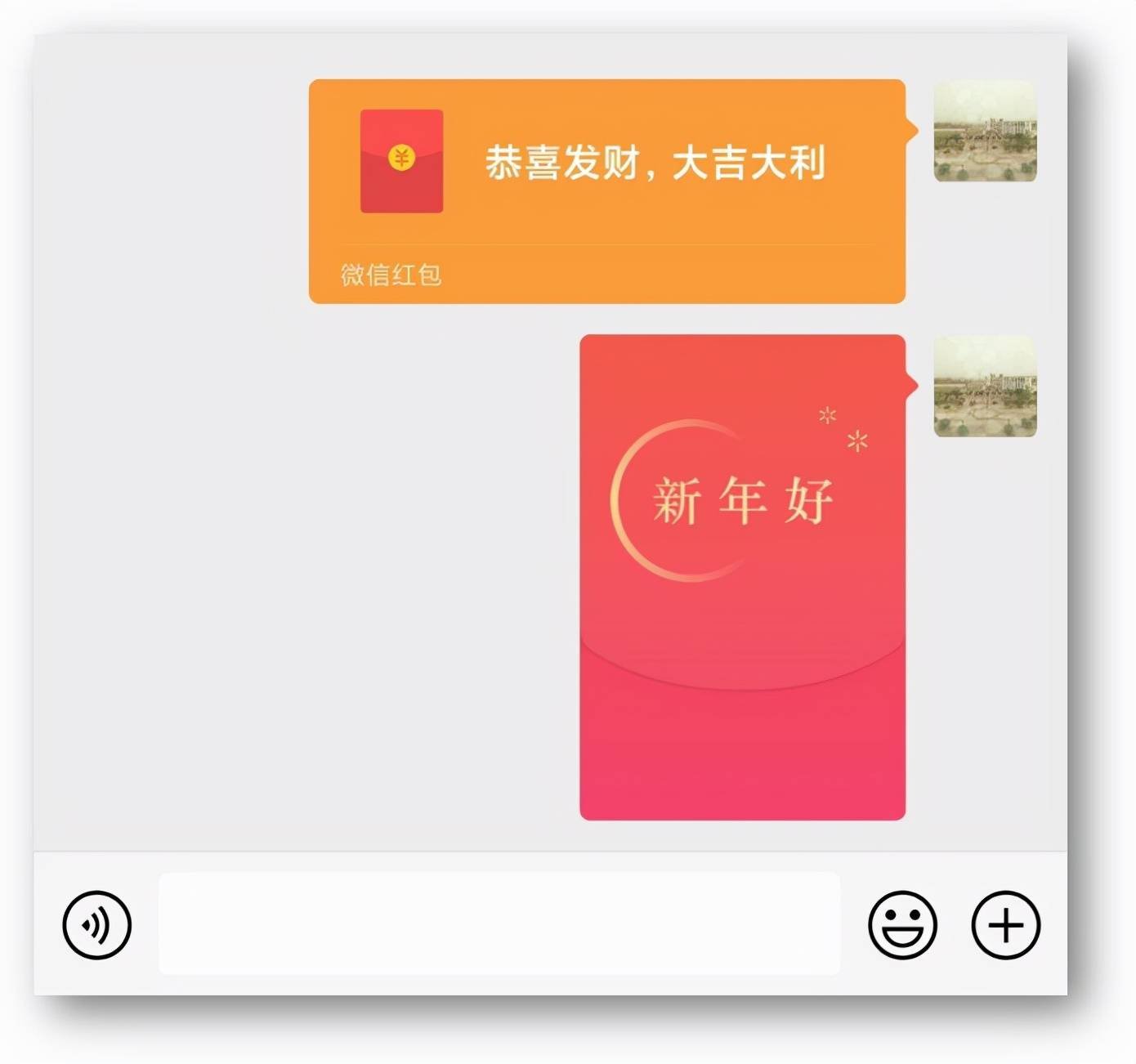
Red envelopes are common during Chinese New Year, weddings, and other happy occasions.
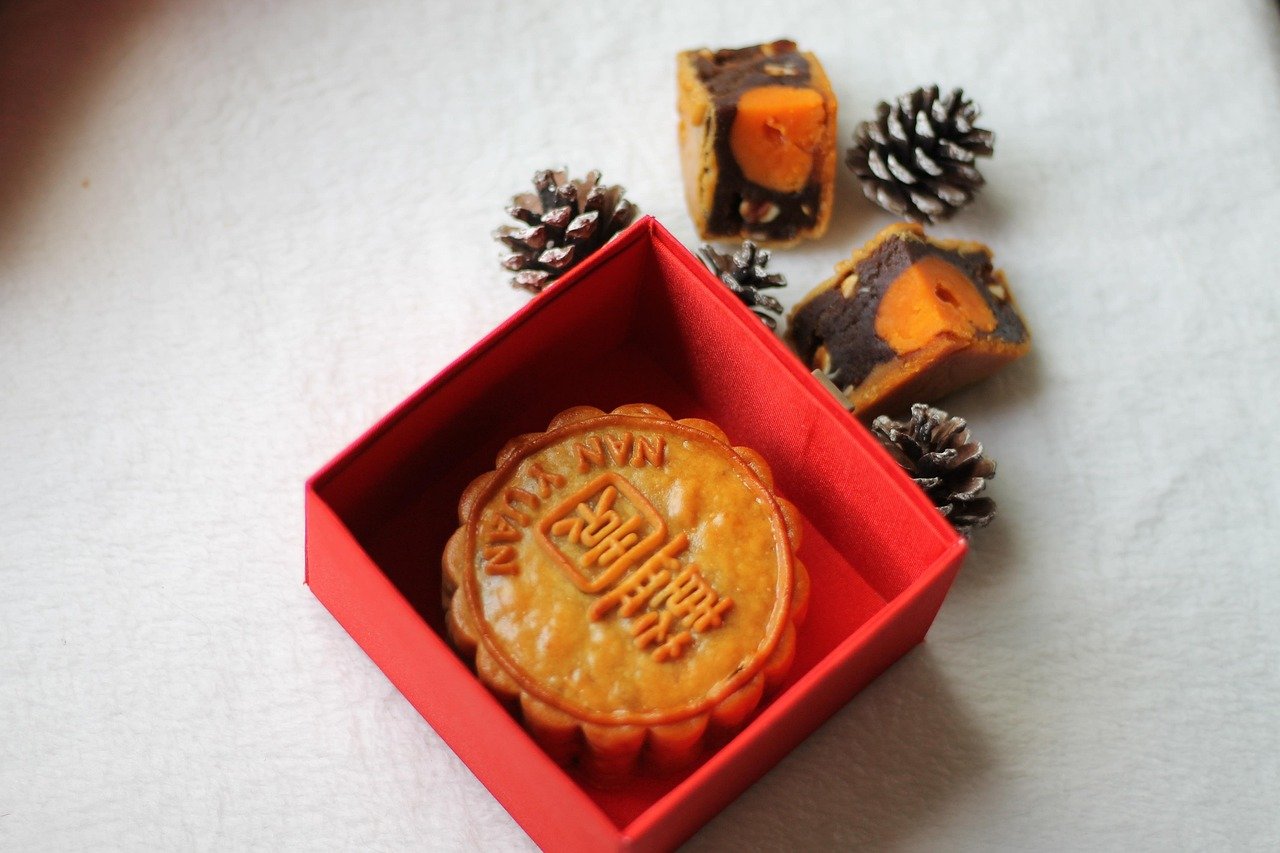
Mooncakes
Mooncakes are a traditional gift for the Mid-Autumn Festival.
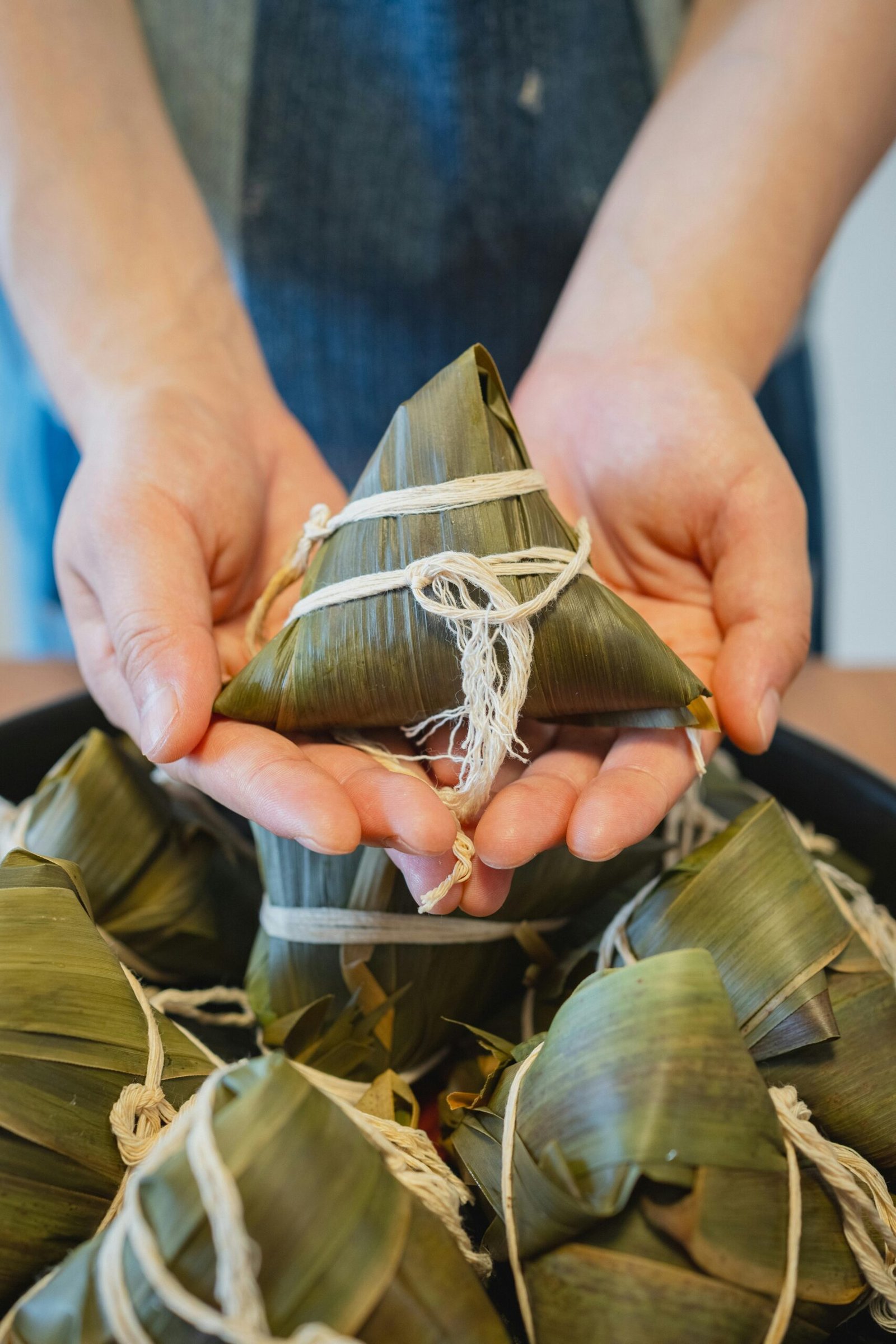
Zongzi
Zongzi are a common food gift during the Dragon Boat Festival.
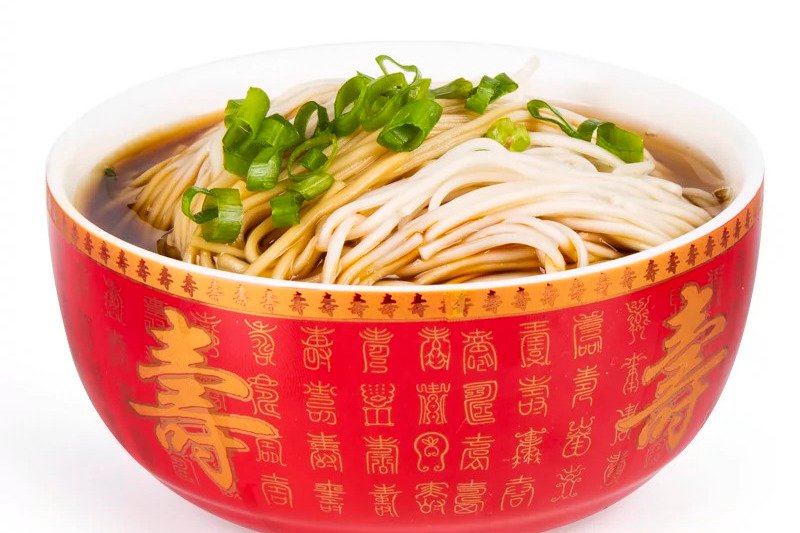
Long Noodles
Long noodles are associated with longevity and are often connected with birthday celebrations.
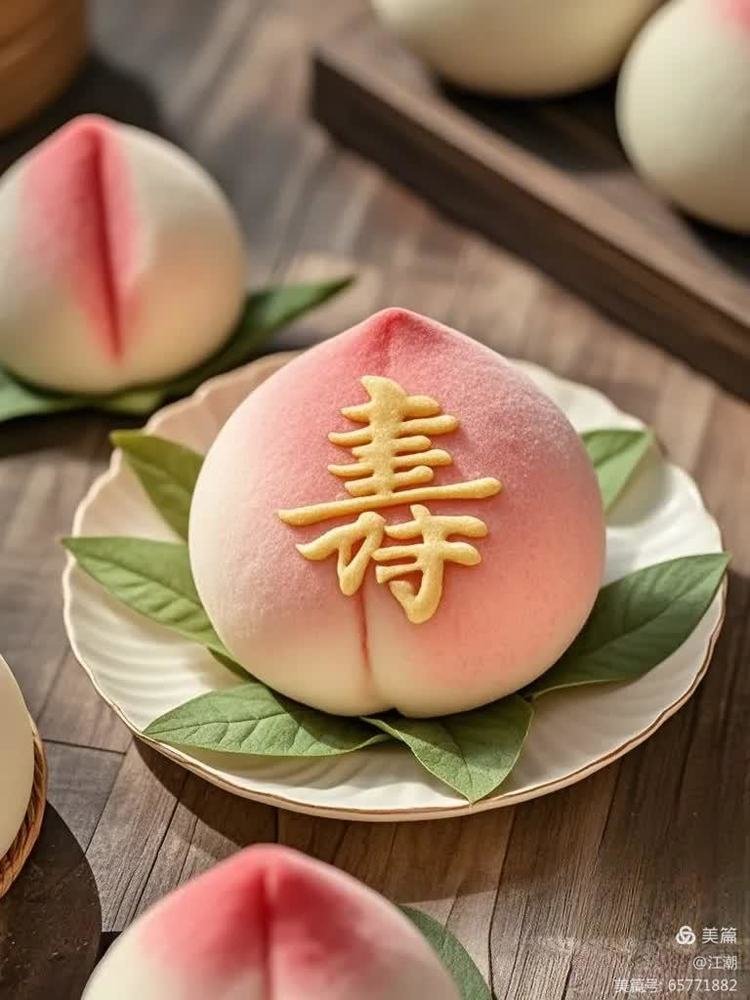
Peach Buns
Peach buns are connected with longevity and are especially meaningful for elders’ birthdays.
| Situation | Appropriate Gifts | Notes |
|---|---|---|
| Business settings | Premium pens, elegant desk accessories, quality tea sets, branded items with cultural significance from your homeland | Avoid overly expensive items, as they may be seen as bribery. Ensure equal treatment when giving to multiple people. |
| Personal relationships | Premium tea, green tea, oolong tea, imported wine or spirits, high-quality fruits, health supplements, items related to personal interests | Imported wine or spirits such as cognac may be appreciated. Apples can suggest peace, and oranges can suggest wealth. |
| Chinese New Year | Red envelopes with even amounts of new bills | Choose lucky numbers and avoid unlucky amounts. |
| Weddings | Red envelopes with money or items in pairs | Pairs often symbolize harmony and good wishes. |
| Housewarmings | Plants, decorative items, practical household goods | Avoid white flowers. |
| Birthdays | Long noodles, peach buns, health supplements for elders | Long noodles symbolize longevity. |
| Mid-Autumn Festival | Mooncakes | A traditional seasonal gift. |
| Dragon Boat Festival | Zongzi | A traditional festival food gift. |
For Different Age Groups
Gifts for children
Educational toys, books, learning items, and red envelopes during festivals are common choices.
Gifts for elders
Health-related gifts, comfortable clothing, and items showing respect for wisdom are appropriate.
Regional Variations
Gift-giving customs vary significantly across China. Southern China, such as Guangdong, may have different habits from northern China.
Ethnic minority regions may also have their own traditions and taboos. When interacting with people from specific regions, it is useful to research local customs or ask trusted Chinese friends.
Timing and Context
Timing is important. A gift that feels natural at one moment may feel too much or too early in another situation.
Appropriate times
- Major holidays and festivals.
- Personal celebrations, such as birthdays or promotions.
- Beginning or end of business meetings.
- When first establishing relationships.
Avoid pressure
Avoid giving expensive gifts too early in a relationship, as it may create obligation pressure.
Modern Evolutions
Contemporary gift-giving practices in China are also changing. While traditional gifts are still common, many people now prefer gifts that are more convenient, personal, creative, or connected with shared experiences.
Digital Red Envelopes
Digital red envelopes through WeChat are increasingly popular, especially during festivals, birthdays, group celebrations, and casual online greetings.
Experience Gifts
Some people, especially younger generations, prefer experience gifts over physical items.
For example, you may invite family members or friends to travel together, take them to a special meal, join an activity, attend a show, try a workshop, or complete a new experience together.
These gifts are valuable because they create memories, not just objects.
More Creative and Personalized Gifts
Gift-giving in China is becoming more creative. On platforms like Taobao, it is easy to find many shops that make customized gifts at affordable prices.
For example, you can turn photos into a printed book, record someone’s voice inside a music box, customize a cup, create a personalized calendar, or design a small object with special memories.
These gifts can feel more personal because they show time, care, and thoughtfulness.
Useful Chinese Words
- 送礼 sòng lǐ — to give gifts
- 礼物 lǐwù — gift
- 红包 hóngbāo — red envelope
- 关系 guānxi — relationship, network
- 面子 miànzi — face, dignity, social image
- 礼尚往来 lǐ shàng wǎng lái — courtesy calls for reciprocity
- 小意思 xiǎo yìsi — a small token, a small gesture
- 祝福 zhùfú — blessing, good wishes
Conclusion
Understanding Chinese gift-giving culture demonstrates cultural sensitivity and respect. The essence is not the object itself, but the relationship and goodwill it represents.
When in doubt, observe local customs, consult trusted Chinese friends, and remember that sincere intention matters most in maintaining and strengthening relationships through the thoughtful exchange of gifts.