
Chinese Culture
Cultural Differences That Shock Foreigners in China
Moving or travelling to a new country always comes with cultural surprises, and China is no exception. From daily habits to food culture, family relationships, social behavior, and business etiquette, many aspects of life in China can feel surprising at first.
Some of these differences may feel confusing, funny, impressive, or even uncomfortable in the beginning. But once you understand the cultural logic behind them, they often become easier to appreciate.
Daily Life: A Different Rhythm
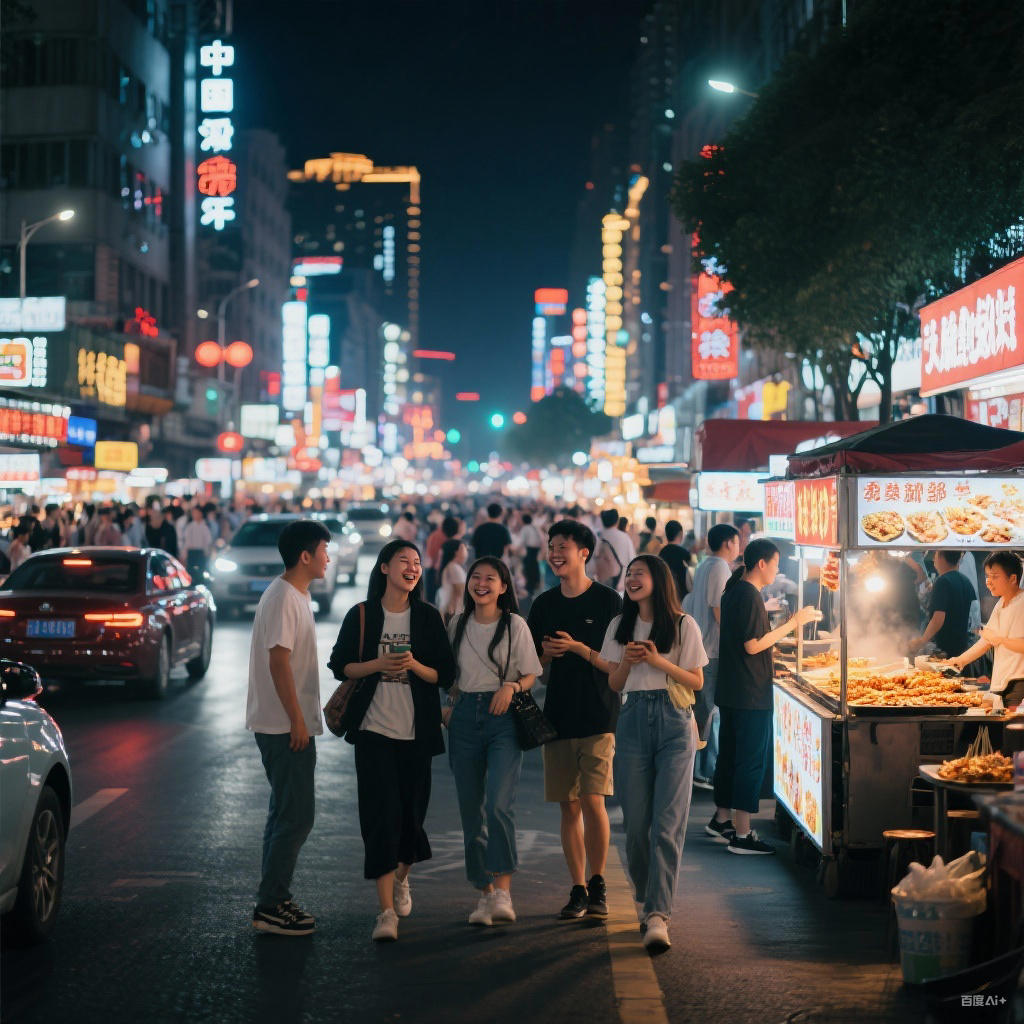
The Night Never Sleeps
China’s vibrant nightlife can be surprising for newcomers. In many cities, life continues well into the evening: street food vendors sell late-night snacks, shops stay open, and people gather in parks or public squares for walking, exercise, dancing, or chatting.
For many foreigners, it can be surprising to see grandparents dancing together in a public square at night, or families eating noodles and barbecue outdoors late in the evening. The rhythm of daily life can feel very lively and social.
Everything at Your Fingertips
The convenience of modern Chinese life is one of the biggest surprises for many visitors. Food delivery, ride-hailing, online shopping, mobile payment, QR codes, and local service apps are deeply integrated into daily life.
In many cities, you can order a meal, call a taxi, buy groceries, pay parking fees, book appointments, and pay at a small street stall all through your phone. Cash is becoming less common in urban areas, and mobile payment has become part of everyday life.
For foreigners, this can feel extremely convenient once everything is set up — but also confusing at first, especially if they do not have a Chinese phone number, bank account, or local payment app.
Public Safety and Visible Security
Many foreigners notice the large number of CCTV cameras and visible security systems in Chinese cities. At first, this can feel unfamiliar, especially for people from countries where public surveillance is less visible.
At the same time, many visitors also notice a strong sense of public safety in daily life. In many cities, people feel comfortable walking at night, using public transport, or leaving daily routines late into the evening. This is a complex topic involving public security, social order, and different ideas about privacy and safety.
The Electric Revolution
The streets of China are full of electric scooters, electric bikes, and electric vehicles. Delivery drivers often move quickly through traffic on silent electric bikes, and charging stations can be found in many neighborhoods.
For many visitors, the quietness of electric mobility is surprising. Compared with cities dominated by petrol motorcycles, some Chinese streets can feel unexpectedly quiet despite being very busy.
The Art of Bargaining
In some markets and small shops, bargaining is not only accepted but expected. The first price may simply be the beginning of a friendly negotiation.
Many foreigners feel uncomfortable with bargaining at first because they are used to fixed prices. But in the right setting, bargaining can be a cultural experience. It is important to remember that bargaining is common in some places, but not everywhere. In shopping malls, supermarkets, chain stores, and online platforms, prices are usually fixed.
Sacred Naptime
The afternoon nap, or 午睡 wǔshuì, is a familiar part of life for many Chinese people. After lunch, some people rest briefly before continuing work or study. In some schools, children have scheduled nap time. In some workplaces, people may rest at their desks during the lunch break.
For foreigners who are trying to run errands during lunchtime, this can sometimes feel inconvenient. But many people eventually appreciate the idea of taking a short rest in the middle of the day.
Squatting vs. Sitting
Traditional squat toilets, or 蹲坑 dūnkēng, can be a shock for many Western visitors. Although modern sitting toilets are common in hotels, shopping malls, airports, and newer buildings, squat toilets are still found in many public restrooms.
For some foreigners, learning to use them becomes one of the small but memorable milestones of adapting to life in China.
Food Culture: More Than Just Eating
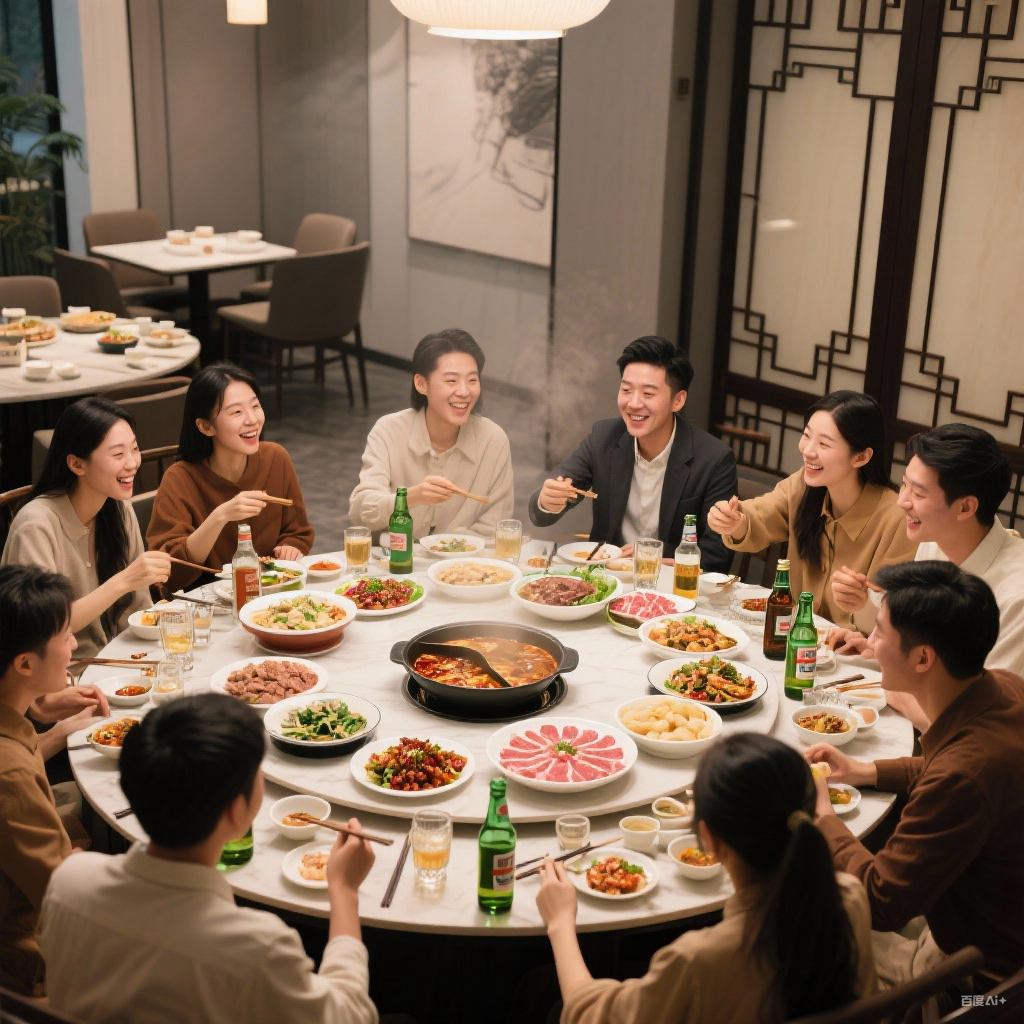
Culinary Diversity Beyond Imagination
Chinese food is incredibly regional and diverse. What many foreigners call “Chinese food” is only a tiny part of the full culinary landscape.
Sichuan cuisine is known for bold spicy and numbing flavors. Cantonese cuisine often emphasizes freshness and delicate cooking. Northern food includes noodles, dumplings, and wheat-based dishes. Fujian cuisine has its own seafood traditions. Xinjiang, Yunnan, Hunan, Shandong, Jiangsu, and many other regions all have distinct flavors, ingredients, and cooking styles.
For many visitors, one of the biggest surprises is realizing that there is no single “Chinese food.”
Communal Dining
In many Chinese meals, people order several dishes and share them at the center of the table. Instead of each person eating only “their own dish,” everyone shares food together.
This can confuse people from cultures where individual plates are the norm. But communal dining creates a social atmosphere. It allows people to try different dishes, show hospitality, and connect through food.
Hot Tea in Summer Heat
Even when the weather is very hot, many Chinese restaurants may serve hot tea or warm water. For foreigners who expect ice water, this can feel surprising.
This habit is connected with ideas about digestion, health, and traditional Chinese views of the body. Not everyone follows this strictly today, but warm drinks are still very common in daily life.
The Bill Battle
In Chinese culture, fighting over who pays the bill can be a social ritual. What may look like an argument is often a display of generosity, respect, and relationship closeness.
Being too quick to accept someone else’s offer to pay may sometimes feel impolite. At the same time, insisting too strongly can also create pressure. In many situations, the host, senior person, or person who invited the group may finally pay.
For foreigners, this “bill battle” can be confusing at first, but it reveals how money, politeness, face, and relationships can be connected in Chinese social life.
Toasting Traditions
Business dinners and formal meals may involve toasting rituals. People may raise glasses, say blessings, show respect to seniors, or toast important guests.
The phrase 干杯 gānbēi literally means “dry cup,” but in modern settings it does not always mean you must finish your drink. The rules depend on the occasion, the people involved, and the level of formality.
Understanding toasting etiquette can be especially helpful in business or formal social situations.
Family Dynamics: Strong Generational Bonds
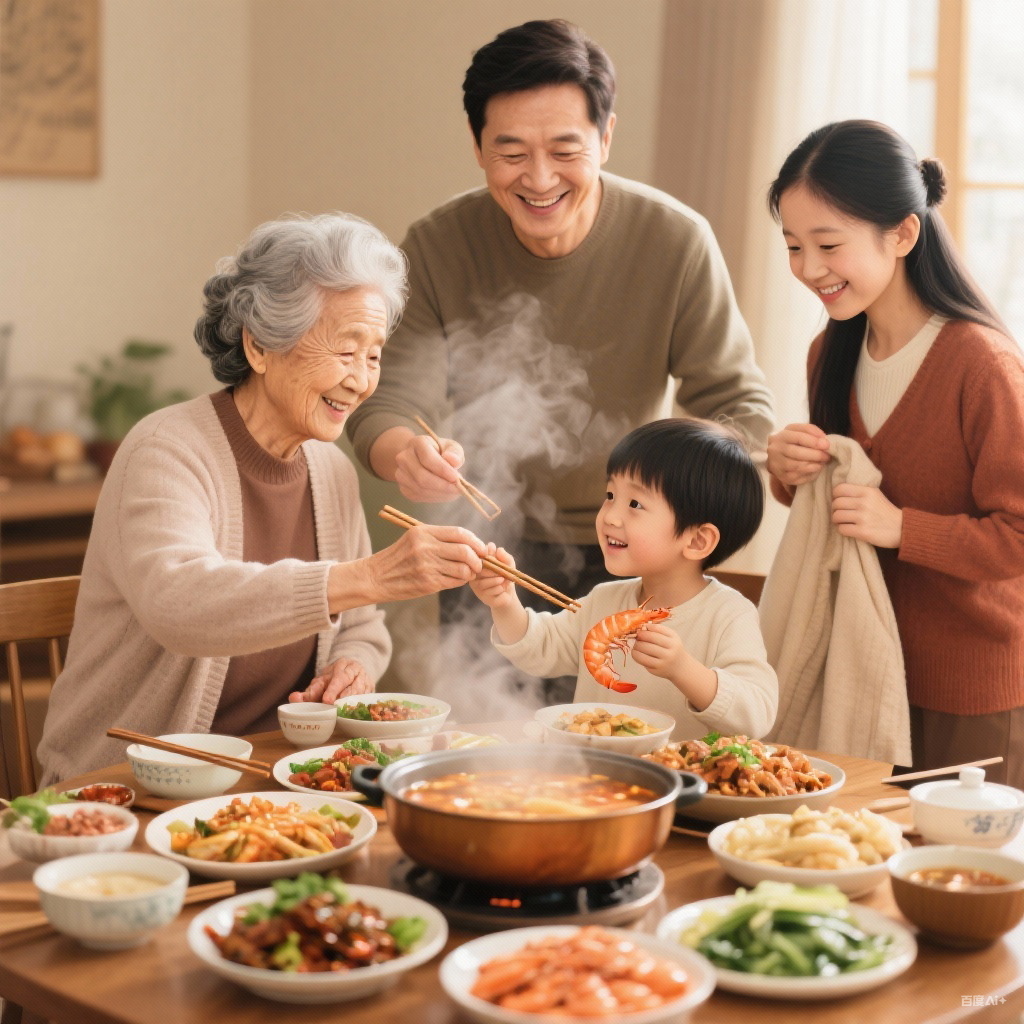
Multi-Generational Living
It is common for grandparents, parents, and children to live close together, and in some families, three generations may live under one roof.
This arrangement provides support for childcare, elder care, meals, and daily responsibilities. For foreigners from cultures that emphasize independence, this can feel surprising. But in many Chinese families, family closeness and mutual support are deeply valued.
Marriage and Betrothal Gifts
The tradition of 彩礼 cǎilǐ, often translated as betrothal gifts or bride price, remains important in many families and regions. These gifts are usually given by the groom’s family to the bride’s family before marriage.
The amount and meaning of 彩礼 can vary greatly. In some places, it is symbolic. In others, it can be financially significant and may create pressure. For foreigners marrying into Chinese families, understanding this tradition can be important and sometimes challenging.
Parental Involvement
Chinese parents may remain closely involved in their adult children’s lives, including education, career, marriage, housing, and even daily decisions.
From a Western perspective, this may sometimes feel intrusive. But in many Chinese families, it is understood as care, responsibility, and love. This difference often reflects different cultural ideas about independence, family duty, and emotional support.
Social Behaviors: Different Norms
Volume and Public Spaces
Chinese people may speak more loudly in public than what some foreigners are used to. Phone conversations on public transport, lively restaurant discussions, or animated group conversations can feel noisy to visitors from quieter cultures.
This is not usually intended to be rude. It reflects different norms around public space, personal boundaries, and communication style.
Photo Culture
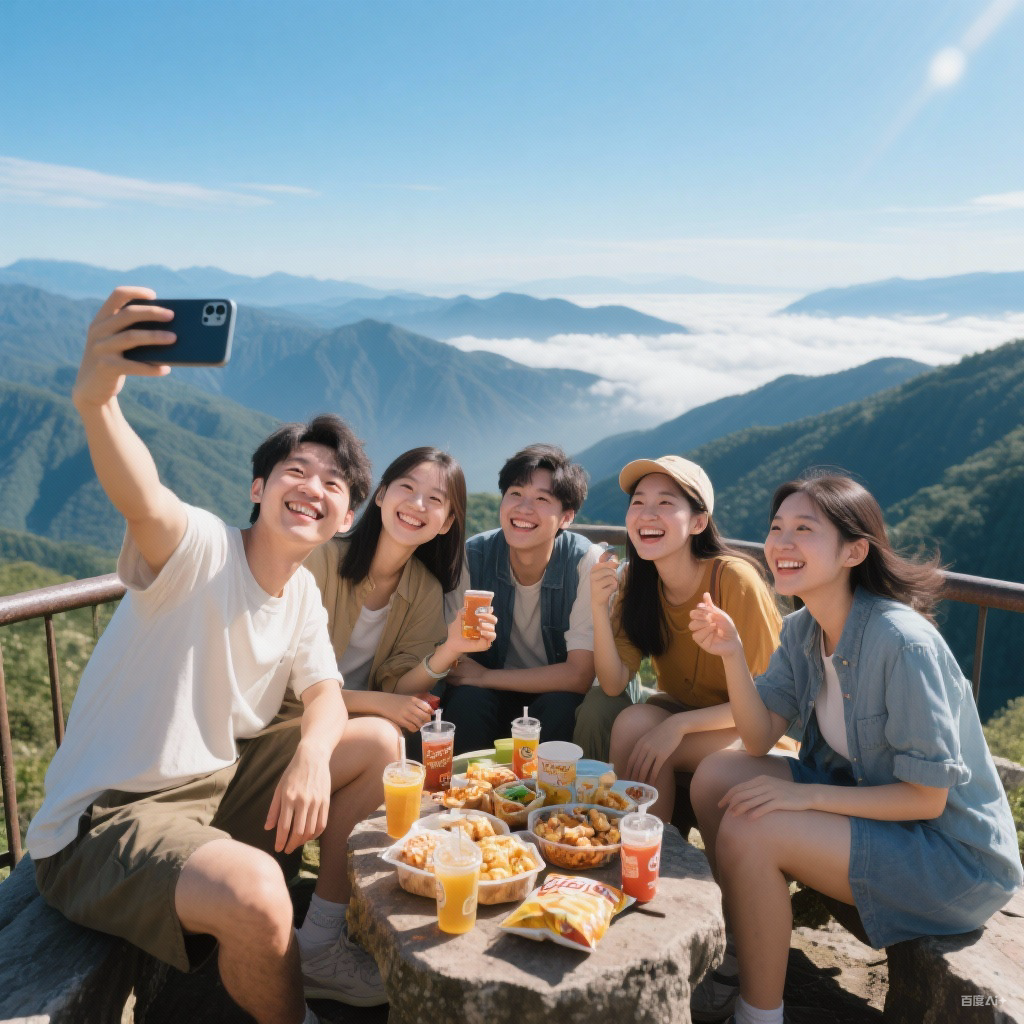
Many Chinese people enjoy taking photos, especially at tourist sites, restaurants, special events, and scenic spots. Group photos, individual poses, and detailed documentation of trips or meals are common.
Foreigners may also sometimes be asked to take photos with local people, especially in places with fewer international visitors. This usually comes from curiosity or friendliness, though it can still feel surprising or uncomfortable depending on the situation.
Personal Questions
Chinese people may ask questions that feel personal to foreigners: age, salary, marital status, whether you have children, why you are single, or how much something costs.
These questions are often not meant to offend. In many cases, they come from curiosity, care, or a desire to place someone socially. However, for people from cultures with stronger privacy boundaries, these questions can feel intrusive.
A useful response is to answer lightly, redirect the conversation, or use humor if you do not want to answer directly.
Business Culture: Relationship First
关系 Guānxi: It Is All About Relationships
In Chinese business culture, relationships often matter as much as the immediate transaction. Building trust, eating together, exchanging polite conversation, and maintaining long-term contact can be important parts of doing business.
Business cards may be exchanged with both hands and examined carefully. A meeting is not always only about facts and decisions; it may also be about building trust and understanding the person behind the business.
This can frustrate foreigners who are used to more direct and task-focused business styles, but it is essential for understanding many professional interactions in China.
Hierarchy and Face
Hierarchy and face are important in many Chinese business and social situations. Showing respect to seniors, managers, elders, or important guests can help maintain harmony.
Direct confrontation, public criticism, or openly embarrassing someone can damage relationships, even if your point is technically correct. In many situations, it is better to express disagreement indirectly, privately, or with softer language.
Adapting and Appreciating
These cultural differences may initially surprise foreign visitors, but many people discover that understanding them leads to richer experiences and deeper connections with Chinese people.
What feels strange at first often has its own cultural logic. Nightlife reflects social energy. Communal dining reflects connection. Gift-giving reflects relationships. Family involvement reflects responsibility. Personal questions may reflect care. Business meals may reflect trust-building.
The key is to approach cultural differences with curiosity rather than judgment. Instead of asking, “Why is this so strange?” it is more helpful to ask, “What value or social logic is behind this?”
What cultural differences have surprised you the most in China?