
Chinese Culture
Traditional Chinese Arts and Ideas
Traditional Chinese arts are not only beautiful objects or performances. They often express deeper ideas about harmony, balance, patience, nature, self-cultivation, and the relationship between people and the world.
For Chinese learners, this topic helps explain why calligraphy, painting, opera, ceramics, and philosophical ideas still appear in Chinese language, design, festivals, education, and daily values.
Teaching Visual
Four Ways to Understand Chinese Arts and Ideas
Traditional Chinese culture often connects art with personal cultivation and ways of thinking.
Brush
Calligraphy and painting value rhythm, energy, structure, and personal character.
Aesthetics
Beauty is often connected with simplicity, elegance, emptiness, and atmosphere.
Harmony
Many ideas emphasize balance between people, society, nature, and the inner self.
Cultivation
Learning art can also mean training patience, discipline, emotion, and moral character.
1. Art as Self-Cultivation
In traditional Chinese culture, art is often connected with personal cultivation. Learning calligraphy, painting, music, poetry, or chess could be a way to train the mind and character.
Art trains more than skill
修养 xiūyǎng means cultivation, refinement, or personal quality. In Chinese culture, artistic practice can reflect patience, discipline, taste, and inner character.
2. Calligraphy: Writing as Art
Calligraphy is one of the most important traditional Chinese arts. It transforms writing into visual rhythm, energy, structure, and personal expression.
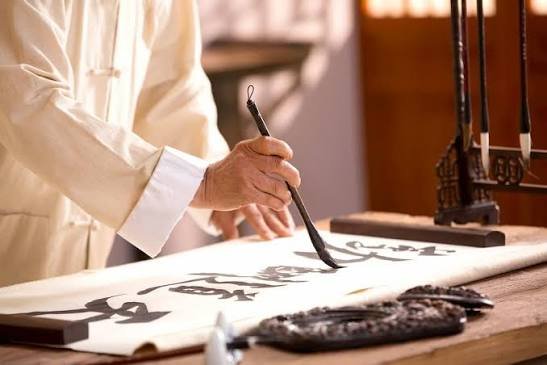 Calligraphy
书法
书法 shūfǎ means calligraphy. It is the art of writing Chinese characters beautifully with brush and ink.
笔墨
笔墨 bǐmò means brush and ink. It can also refer to artistic expression in writing and painting.
Character and energy
Calligraphy is often judged by structure, rhythm, strength, flow, and the feeling of the writer’s personality.
3. Chinese Painting and the Idea of Mood
Traditional Chinese painting often values spirit and atmosphere more than exact realism. Mountains, rivers, bamboo, birds, flowers, and empty space are important elements.
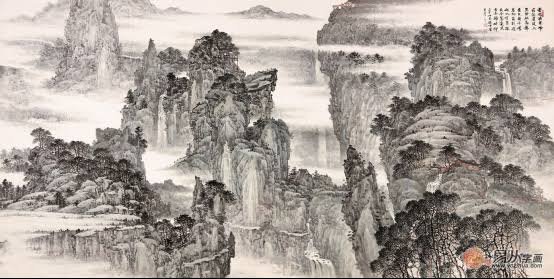 Painting
国画
国画 guóhuà means traditional Chinese painting. It often uses brush, ink, water, and rice paper or silk.
山水画
山水画 shānshuǐhuà means landscape painting. Literally, it means “mountain-water painting.”
It often expresses harmony between humans and nature.
意境
意境 yìjìng means artistic mood or atmosphere. It is a key idea in Chinese art and poetry.
4. Folk Arts and Handmade Traditions
Folk arts are closely connected with festivals, family life, local customs, and good wishes. They are often colorful, symbolic, and easy for learners to recognize.
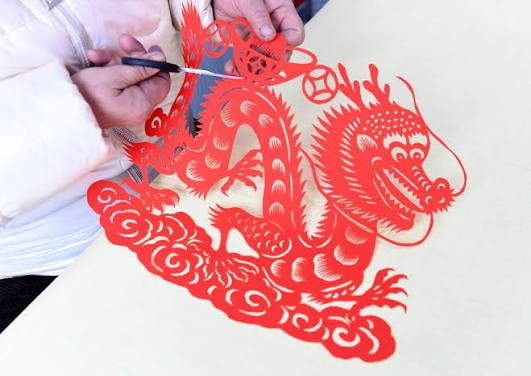 Paper Cutting
剪纸
剪纸 jiǎnzhǐ is paper cutting. Red paper cuttings are often used during Chinese New Year and weddings.
Common themes include 福, 囍, flowers, animals, and lucky patterns.
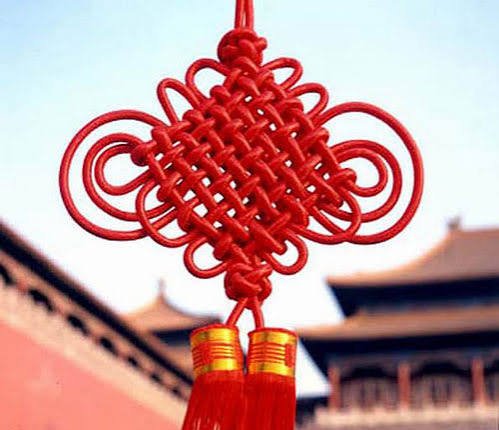 Chinese Knot
中国结
中国结 Zhōngguó jié, the Chinese knot, symbolizes good luck, connection, unity, and blessings.
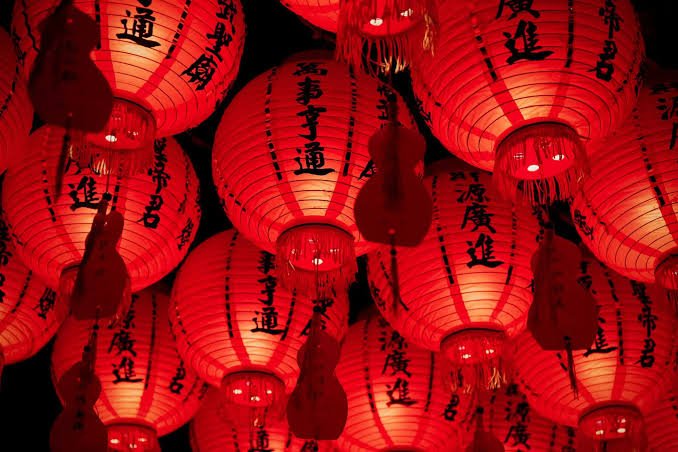 Lanterns
灯笼
灯笼 dēnglong, lanterns, are common during festivals and celebrations. They create warmth, brightness, and festive atmosphere.
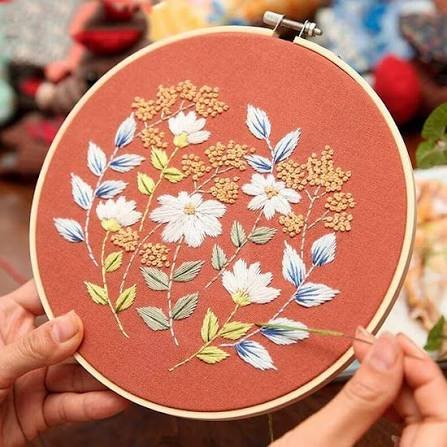 Embroidery
刺绣
刺绣 cìxiù means embroidery. It appears in clothing, decoration, ethnic minority dress, and traditional crafts.
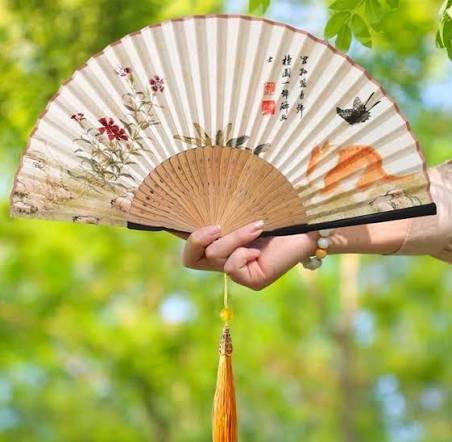 Fans
Fans
扇子
扇子 shànzi, fans, can be practical objects, gifts, dance props, or painted art pieces.
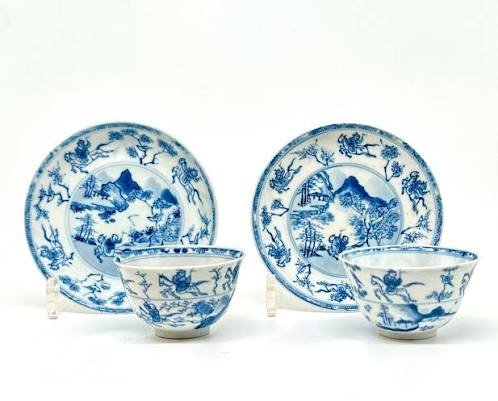 Porcelain
瓷器
瓷器 cíqì means porcelain. Chinese porcelain has been important in art, trade, dining, and global cultural exchange.
5. Chinese Opera and Performance
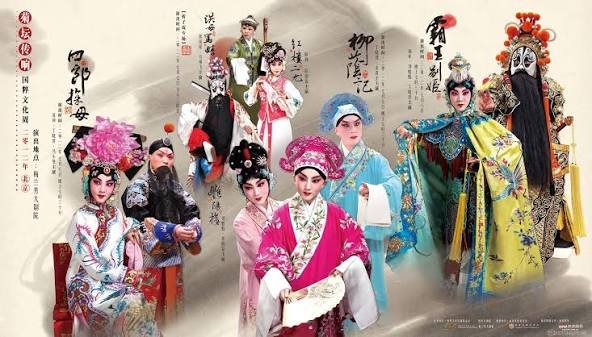
Chinese opera combines singing, movement, music, costume, makeup, martial arts, and storytelling. Beijing Opera is one of the best-known forms.
 Opera
Opera
京剧
京剧 Jīngjù means Beijing Opera. It is famous for stylized singing, colorful face makeup, symbolic gestures, and traditional stories.
Costume and face painting
Colors and patterns in opera makeup can show personality, loyalty, bravery, cleverness, or danger.
The audience learns to read these signs as part of the performance.
6. The Four Arts of the Scholar
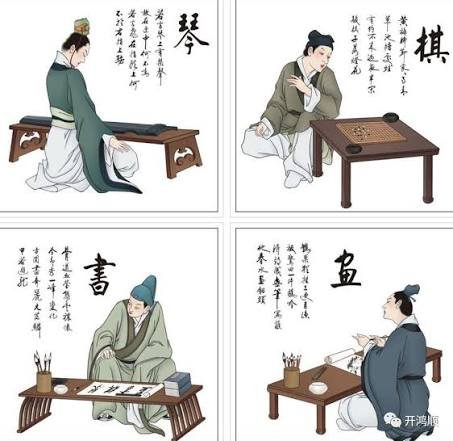
In traditional elite culture, certain arts were associated with educated people and personal refinement.
 Four Arts
琴棋书画
琴棋书画 qín qí shū huà refers to music, chess or go, calligraphy, and painting — four arts associated with traditional cultural refinement.
Refinement and learning
These arts were not only hobbies. They also represented patience, discipline, taste, strategic thinking, and personal cultivation.
| Art | Chinese | Meaning | Culture note |
|---|---|---|---|
| Qin | 琴 qín | A traditional string instrument, often referring to guqin. | Connected with elegance, quietness, and self-cultivation. |
| Chess / Go | 棋 qí | Strategy games, especially go. | Represents patience, planning, and strategic thinking. |
| Calligraphy | 书 shū | Calligraphy and writing. | Shows education, discipline, structure, and personal style. |
| Painting | 画 huà | Painting. | Expresses mood, nature, beauty, and inner feeling. |
7. Confucian Ideas: Respect, Roles, and Learning
Confucian thought has deeply influenced Chinese family values, education, social relationships, and ideas of moral behavior.
儒家
儒家 Rújiā refers to Confucian thought. It emphasizes morality, education, family roles, respect, and social order.
礼
礼 lǐ can mean ritual, etiquette, propriety, or proper social behavior.
It helps explain why politeness and roles matter in Chinese culture.
学习
Confucian culture values learning, self-improvement, respect for teachers, and moral cultivation.
8. Daoist Ideas: Nature, Balance, and Simplicity
Daoist thought has influenced Chinese views of nature, balance, health, art, and lifestyle.
道家
道家 Dàojiā refers to Daoist thought. It values naturalness, simplicity, balance, and following the flow of nature.
自然
自然 zìrán means nature or naturalness. It is an important idea in Daoist thinking and Chinese aesthetics.
阴阳
Yin and yang thinking is often connected with balance, change, and complementary forces.
9. Buddhist Influence: Temples, Compassion, and Impermanence
Buddhism entered China long ago and became deeply connected with Chinese religion, art, architecture, festivals, language, and daily life.
佛教
佛教 Fójiào means Buddhism. It influenced Chinese temples, statues, paintings, stories, and moral ideas.
寺庙
寺庙 sìmiào means temple. Temples are important cultural and religious spaces in many regions.
因果 and 慈悲
因果 yīnguǒ means cause and effect. 慈悲 cíbēi means compassion.
These ideas appear in religion, stories, and daily moral expressions.
10. Harmony, Moderation, and “He” Culture
One of the most important values in Chinese culture is harmony. It appears in family relationships, social communication, art, architecture, food, and philosophy.
和
和 hé means harmony, peace, or balance. It is a central idea in many areas of Chinese culture.
It can refer to social harmony, family harmony, emotional balance, or harmony with nature.
中庸
中庸 zhōngyōng means moderation or the doctrine of the mean.
It is often understood as avoiding extremes and finding a balanced, appropriate way.
Useful expression:
家和万事兴。
Jiā hé wàn shì xīng.
When the family is harmonious, everything prospers.
11. What This Means for Chinese Learners
Traditional Chinese arts and ideas help learners understand the deeper cultural background behind many words, values, designs, and daily expressions.
Learn cultural vocabulary
Words like 书法, 国画, 京剧, 儒家, 道家, 和, 中庸, and 意境 appear in cultural conversations and reading materials.
Understand values
Arts and ideas show values such as patience, harmony, respect, balance, elegance, and self-cultivation.
Read hidden meanings
Chinese art and language often value indirect expression, atmosphere, symbols, and what is suggested rather than fully stated.
Useful Chinese Words
- 艺术 yìshù — art
- 书法 shūfǎ — calligraphy
- 国画 guóhuà — traditional Chinese painting
- 山水画 shānshuǐhuà — landscape painting
- 剪纸 jiǎnzhǐ — paper cutting
- 中国结 Zhōngguó jié — Chinese knot
- 京剧 Jīngjù — Beijing Opera
- 瓷器 cíqì — porcelain
- 琴棋书画 qín qí shū huà — the four arts of the scholar
- 儒家 Rújiā — Confucianism / Confucian school
- 道家 Dàojiā — Daoism / Daoist school
- 佛教 Fójiào — Buddhism
- 和 hé — harmony
- 中庸 zhōngyōng — moderation / the doctrine of the mean
- 意境 yìjìng — artistic mood / atmosphere
Conclusion
Traditional Chinese arts and ideas are deeply connected. Calligraphy, painting, opera, crafts, and philosophy all reveal how Chinese culture thinks about beauty, character, harmony, nature, and self-cultivation.
For Chinese learners, this topic helps you go beyond surface-level culture. It gives you the background to understand Chinese aesthetics, values, expressions, and the quieter meanings behind many cultural forms.