
Chinese Culture
Traditional Chinese Medicine and Daily Wellness
Traditional Chinese Medicine, often called TCM, is one of the most distinctive parts of Chinese culture. It shapes how many Chinese people talk about the body, food, seasons, rest, and daily health habits.
For Chinese learners, understanding TCM culture helps explain common expressions such as “drink hot water,” “don’t eat too much cold food,” “take care of your body,” and “balance.”
Teaching Visual
Four Ways to Understand Chinese Wellness Culture
Many everyday Chinese health habits are connected with these four ideas.
Balance
Health is often discussed as balance between body, lifestyle, food, rest, and seasons.
Food
Food is often seen as connected with energy, warmth, digestion, and daily care.
Seasons
People may adjust food, tea, sleep, and habits according to seasonal changes.
Prevention
Daily wellness focuses on maintaining the body before serious problems appear.
1. What Is Traditional Chinese Medicine?
Traditional Chinese Medicine is a medical and cultural system with a long history. It includes ideas about balance, body energy, food, herbs, acupuncture, massage, and seasonal living.
A cultural way of understanding the body
中医 zhōngyī is not only a set of treatments. It also influences how many Chinese people describe tiredness, digestion, sleep, body temperature, food choices, and everyday wellness.
2. Core Ideas: Balance, Qi, Yin and Yang
Many TCM ideas are based on balance. People may talk about the body as needing harmony between different forces, foods, seasons, and habits.
平衡
平衡 pínghéng means balance. In everyday speech, people may talk about balancing work and rest, hot and cold, movement and stillness.
气
气 qì is often translated as vital energy. It appears in many Chinese expressions about strength, tiredness, breathing, and life force.
阴阳
阴阳 yīnyáng refers to complementary forces. In health culture, it is often connected with balance and harmony.
3. Common TCM-Related Practices
Some TCM-related practices are well known inside and outside China. Their meanings, uses, and acceptance vary by person, region, and family.
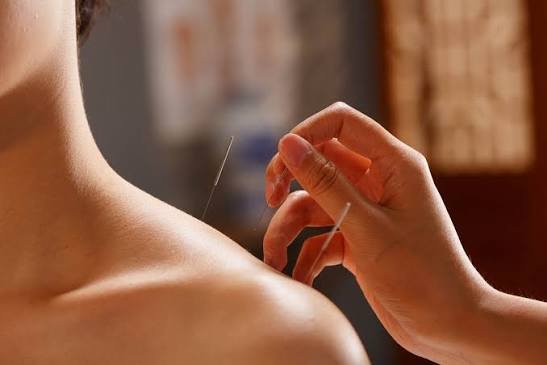
针灸
Chinese: 针灸 zhēnjiǔ
What it is: Using very thin needles on specific points of the body.
Culture note: One of the most internationally recognized TCM practices.
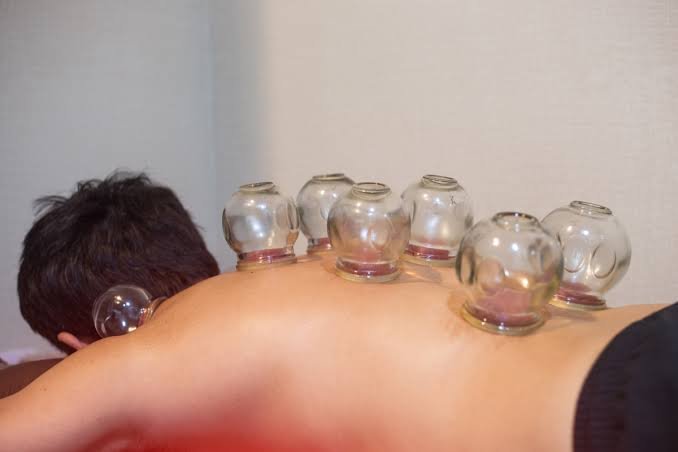
拔罐
Chinese: 拔罐 báguàn
What it is: Using cups to create suction on the skin.
Culture note: Often leaves round marks that can surprise foreigners.

刮痧
Chinese: 刮痧 guāshā
What it is: Scraping the skin with a tool in a controlled way.
Culture note: Common in some families and wellness contexts.
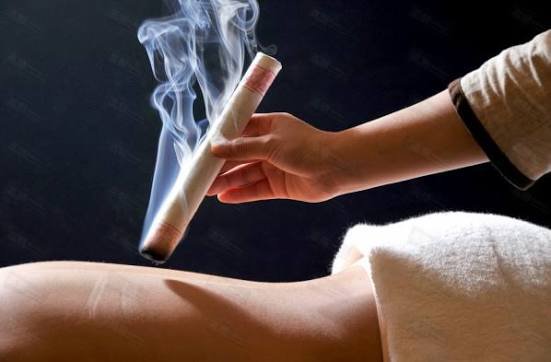
艾灸
Chinese: 艾灸 àijiǔ
What it is: Burning mugwort near certain points of the body.
Culture note: Associated with warmth and circulation in TCM culture.
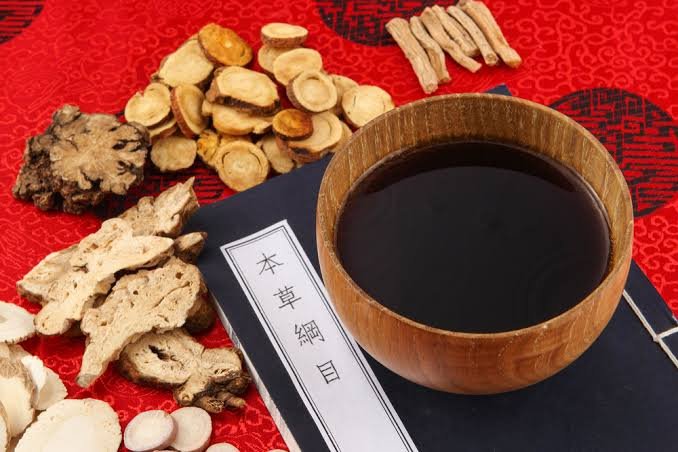
中药
Chinese: 中药 zhōngyào
What it is: Herbs and formulas used in TCM treatment.
Culture note: Some are prescribed by professionals; others appear in food culture.

推拿
Chinese: 推拿 tuīná
What it is: A form of Chinese therapeutic massage.
Culture note: Often associated with muscle tension, children’s care, or rehabilitation.
4. Food as Medicine
A very important idea in Chinese wellness culture is 药食同源 yào shí tóng yuán — medicine and food share the same origin. This means food can be understood as part of daily body care.
姜
姜 jiāng, ginger, is often associated with warmth. Ginger tea is common when people feel cold.
红枣
红枣 hóngzǎo are often used in soups, teas, and desserts. They are associated with nourishment in daily wellness culture.
枸杞
枸杞 gǒuqǐ are often added to tea, soup, and porridge. Many people connect them with everyday health maintenance.
梨
梨 lí is often connected with dryness and throat comfort in everyday food culture.
菊花
菊花茶 júhuā chá, chrysanthemum tea, is commonly associated with cooling and refreshment.
绿豆
绿豆汤 lǜdòu tāng, mung bean soup, is often eaten in summer in some families.
5. Hot Water and Avoiding Cold Food
Foreign learners often notice that many Chinese people recommend drinking hot water or avoiding cold drinks when someone feels unwell.
多喝热水
多喝热水 duō hē rèshuǐ means “drink more hot water.”
This phrase is extremely common in Chinese daily life. It can sound funny to foreigners, but it often expresses care.
Chinese: 你不舒服吗?多喝点热水。
Pinyin: Nǐ bù shūfu ma? Duō hē diǎn rèshuǐ.
Meaning: Are you feeling unwell? Drink some more hot water.
少吃生冷
少吃生冷 shǎo chī shēnglěng means “eat less raw and cold food.”
Some Chinese people believe too much cold food or cold drink may not be good for digestion or body balance.
6. Seasonal Wellness
Chinese wellness culture often connects the body with seasons. People may change food, tea, sleep habits, or daily routines depending on the weather.
Light and fresh
Spring is often associated with renewal, movement, and lighter foods.
Cooling and hydration
In hot weather, people may choose lighter foods, soups, tea, or foods culturally seen as cooling.
Dryness and nourishment
Autumn is often associated with dryness. Pears, soups, and gentle foods may be common in family wellness habits.
Warmth and rest
Winter is often connected with warmth, soups, stews, hot drinks, and conserving energy.
7. Everyday Wellness Habits
Many daily habits in Chinese families are connected with prevention, warmth, digestion, and rhythm.
早睡早起
早睡早起 zǎo shuì zǎo qǐ means “sleep early and wake up early.” It is a common phrase about healthy routine.
泡脚
泡脚 pào jiǎo means soaking the feet in warm water. Some people do it to relax before sleep.
适量运动
适量运动 shìliàng yùndòng means moderate exercise. Walking, tai chi, stretching, and light exercise are common examples.
8. Useful Wellness Phrases
These phrases appear often in family conversations, messages, and daily Chinese.
| Chinese | Pinyin | Meaning | When you hear it |
|---|---|---|---|
| 多喝热水。 | Duō hē rèshuǐ. | Drink more hot water. | When someone feels sick, tired, cold, or uncomfortable. |
| 注意身体。 | Zhùyì shēntǐ. | Take care of your health. | A caring message to friends, family, or colleagues. |
| 别太累。 | Bié tài lèi. | Don’t get too tired. | When someone is working too much. |
| 早点休息。 | Zǎodiǎn xiūxi. | Rest early. | Common evening message. |
| 少吃生冷。 | Shǎo chī shēnglěng. | Eat less raw and cold food. | Often said when someone has stomach discomfort or feels weak. |
| 要养生。 | Yào yǎngshēng. | You should take care of your health. | Casual or humorous advice about healthy living. |
9. What This Means for Chinese Learners
TCM and wellness culture appear in many everyday conversations. Even if you do not use TCM yourself, understanding these ideas helps you understand Chinese care, family advice, and health-related expressions.
Understand common phrases
Phrases like 多喝热水, 注意身体, and 别太累 are very common in real Chinese communication.
Understand care
Chinese people may show care through advice about food, rest, warmth, water, and daily habits.
Respond naturally
When someone says 注意身体, a natural response is 谢谢,我会的 — “Thank you, I will.”
Useful Chinese Words
- 中医 zhōngyī — Traditional Chinese Medicine
- 养生 yǎngshēng — wellness / health cultivation
- 身体 shēntǐ — body / health
- 健康 jiànkāng — health / healthy
- 平衡 pínghéng — balance
- 阴阳 yīnyáng — yin and yang
- 气 qì — vital energy / qi
- 针灸 zhēnjiǔ — acupuncture
- 刮痧 guāshā — gua sha
- 拔罐 báguàn — cupping
- 艾灸 àijiǔ — moxibustion
- 中药 zhōngyào — Chinese herbal medicine
- 药食同源 yào shí tóng yuán — food and medicine share the same origin
- 泡脚 pào jiǎo — to soak the feet
- 多喝热水 duō hē rèshuǐ — drink more hot water
Conclusion
Traditional Chinese Medicine and daily wellness culture offer a window into how many Chinese people understand the body, food, seasons, rest, and care.
For Chinese learners, this topic is especially useful because health advice appears often in daily messages and family conversations. Understanding the culture behind these phrases will help you communicate with more warmth and awareness.