
Chinese Culture
Traditional Chinese Festivals
Traditional Chinese festivals are closely connected with family, seasons, food, ancestors, legends, and good wishes.
For Chinese learners, festivals are a practical way to learn culture, vocabulary, greetings, food names, and the values behind Chinese daily life.
Teaching Visual
Four Ways to Understand Chinese Festivals
Most Chinese festivals can be understood through these four cultural ideas.
Family
Many festivals are about reunion, visiting relatives, and eating together.
Food
Festival foods often carry lucky meanings, memories, and seasonal symbols.
Blessings
People use greetings, red decorations, and symbolic foods to express good wishes.
Seasons
Many festivals follow the lunar calendar and reflect changes in nature.
1. The Lunar Calendar
Many traditional Chinese festivals follow the lunar calendar, not the Gregorian calendar. This is why festival dates may change every year on the Western calendar.
Why festival dates move
农历 nónglì means the traditional lunar calendar. Festivals such as Chinese New Year, Lantern Festival, Dragon Boat Festival, and Mid-Autumn Festival are based on lunar dates.
2. Chinese New Year
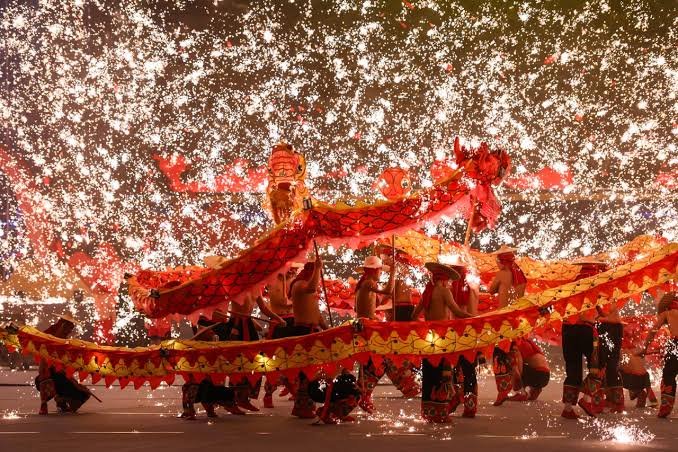
Chinese New Year, also called Spring Festival, is the most important traditional festival in China. It celebrates the beginning of a new lunar year.
春节
春节 Chūnjié means Spring Festival. It is also commonly called Chinese New Year in English.
Family reunion
Many people travel home to spend time with family. The reunion dinner on New Year’s Eve is especially important.
Red and good luck
People put up red decorations, give red envelopes, say lucky greetings, and hope for a good start to the year.
Typical foods
- 饺子 jiǎozi — dumplings, especially in northern China.
- 鱼 yú — fish, because it sounds like “surplus.”
- 年糕 niángāo — rice cake, suggesting progress year after year.
- 汤圆 tāngyuán — sweet rice balls, linked with reunion in some regions.
Useful greetings
新年快乐! Xīnnián kuàilè! — Happy New Year!
春节快乐! Chūnjié kuàilè! — Happy Spring Festival!
恭喜发财! Gōngxǐ fācái! — Wishing you prosperity!
身体健康! Shēntǐ jiànkāng! — Wishing you good health!
3. Lantern Festival
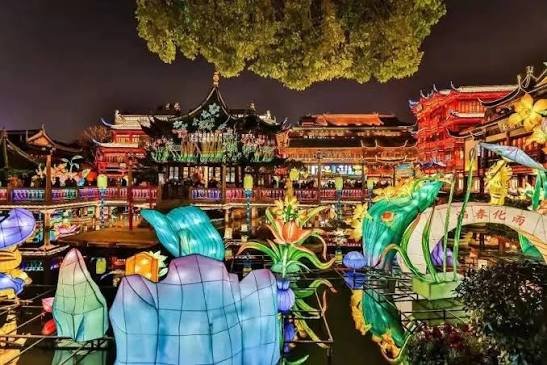
The Lantern Festival marks the end of the Chinese New Year period. It is celebrated on the fifteenth day of the first lunar month.
元宵节
元宵节 Yuánxiāo Jié is the Lantern Festival.
Lanterns and riddles
People may enjoy lantern displays and guess lantern riddles, called 猜灯谜 cāi dēngmí.
Tangyuan
汤圆 tāngyuán are round sweet rice balls. Their round shape symbolizes reunion and completeness.
4. Qingming Festival
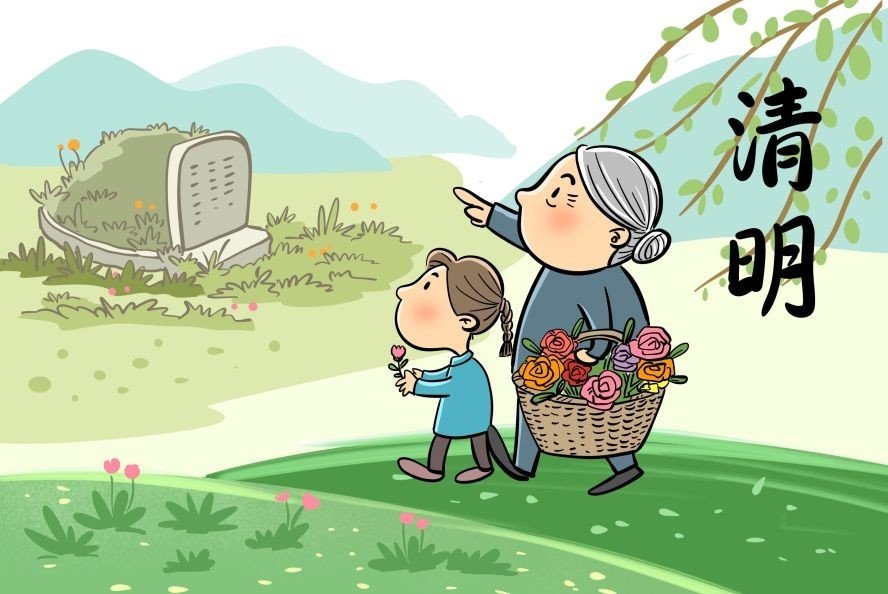
Qingming Festival is a time to remember ancestors and visit family graves. It is also connected with spring, nature, and family memory.
清明节
清明节 Qīngmíng Jié is often translated as Tomb-Sweeping Day.
Remembering ancestors
Families may visit graves, clean the area, offer flowers or food, and remember loved ones who have passed away.
Spring outing
Qingming is also a time when people go outside, enjoy spring weather, and feel the change of seasons.
5. Dragon Boat Festival
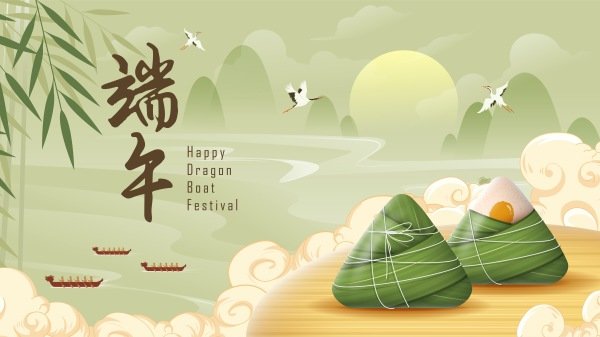
The Dragon Boat Festival is often connected with the poet Qu Yuan, dragon boat racing, and zongzi.
端午节
端午节 Duānwǔ Jié is celebrated on the fifth day of the fifth lunar month.
Dragon boat racing
赛龙舟 sài lóngzhōu means dragon boat racing. It is one of the most famous customs of this festival.
Zongzi
粽子 zòngzi are sticky rice dumplings wrapped in leaves. They may be sweet or savory depending on the region.
6. Qixi Festival
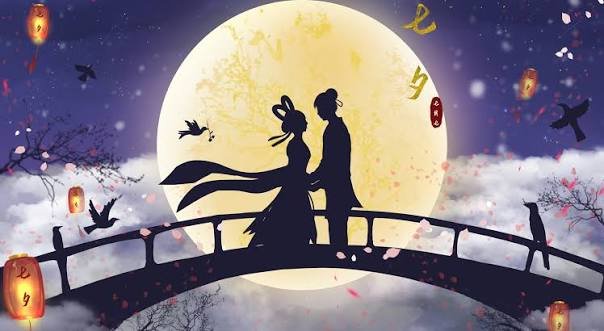
Qixi Festival is connected with the romantic legend of the Cowherd and the Weaver Girl. Today, it is sometimes described as a Chinese Valentine’s Day.
The Cowherd and the Weaver Girl
The story tells of two lovers separated by the Milky Way who can meet only once a year.
The festival reflects love, longing, and reunion.
Modern romance
Today, some couples celebrate Qixi with gifts, dates, flowers, or romantic meals.
However, it is not celebrated by everyone in the same way.
7. Mid-Autumn Festival
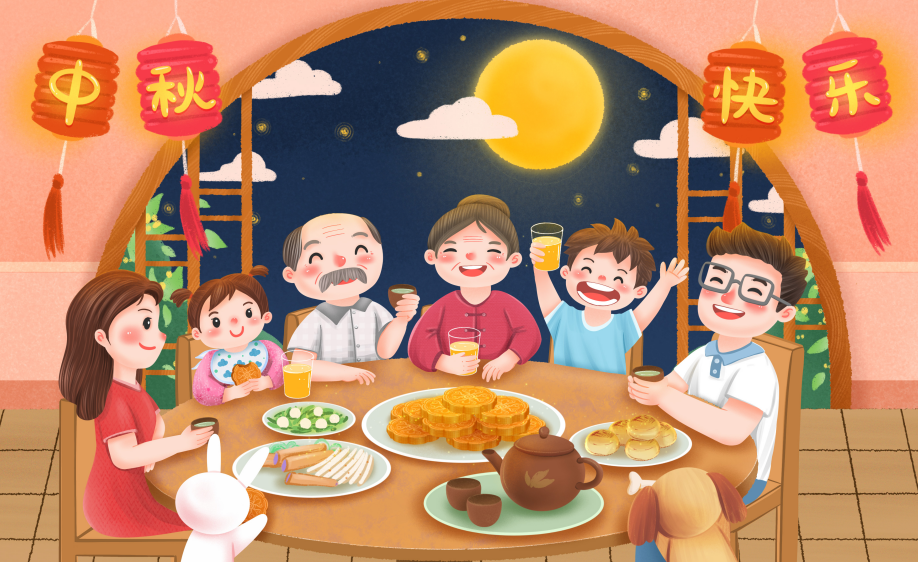
Mid-Autumn Festival is one of the most important family festivals. It is connected with the full moon, reunion, mooncakes, and family togetherness.
中秋节
中秋节 Zhōngqiū Jié is celebrated on the fifteenth day of the eighth lunar month.
Full moon and reunion
The round moon symbolizes reunion, completeness, and family togetherness.
Mooncakes
月饼 yuèbǐng are the most famous Mid-Autumn food and gift.
Useful greeting:
中秋快乐! Zhōngqiū kuàilè! — Happy Mid-Autumn Festival!
团团圆圆! Tuántuán yuányuán! — Wishing you reunion and togetherness!
8. Double Ninth Festival
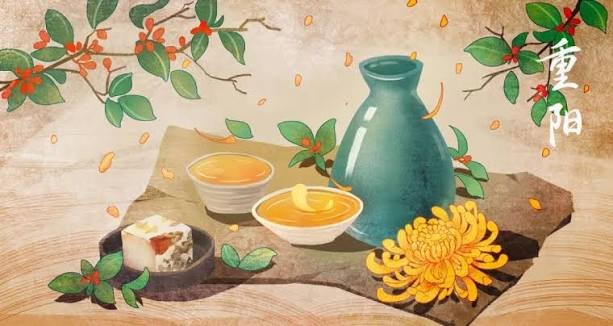
The Double Ninth Festival is connected with climbing high places, autumn, and respect for elders.
重阳节
重阳节 Chóngyáng Jié is celebrated on the ninth day of the ninth lunar month.
Climbing high
A traditional custom is 登高 dēnggāo, climbing to a high place.
Respect for elders
In modern China, the festival is also associated with caring for elderly people and showing respect to older generations.
9. Festival Foods at a Glance
Food is central to Chinese festivals. Many foods are chosen not only for taste, but also for symbolic meaning.
| Festival | Food | Chinese | Cultural meaning |
|---|---|---|---|
| Chinese New Year | Dumplings | 饺子 jiǎozi | Wealth, good fortune, family gathering. |
| Chinese New Year | Fish | 鱼 yú | Abundance, because 鱼 sounds like 余. |
| Lantern Festival | Sweet rice balls | 汤圆 tāngyuán | Reunion, completeness, roundness. |
| Dragon Boat Festival | Sticky rice dumplings | 粽子 zòngzi | Memory, tradition, regional flavors. |
| Mid-Autumn Festival | Mooncakes | 月饼 yuèbǐng | Reunion, moon, family togetherness. |
| Birthdays / Celebrations | Longevity noodles | 长寿面 chángshòu miàn | Long life and good health. |
10. What This Means for Chinese Learners
Festivals give learners a natural way to understand Chinese values, greetings, food words, family culture, and seasonal expressions.
Learn greetings
Festival greetings are useful and easy to use in real conversations, messages, and social media.
Understand family values
Many festivals show how important family reunion, respect, memory, and blessings are in Chinese culture.
Join conversations
Asking about festival plans, food, and hometown customs is a natural way to connect with Chinese speakers.
Useful Chinese Words
- 节日 jiérì — festival / holiday
- 传统 chuántǒng — tradition / traditional
- 农历 nónglì — lunar calendar
- 春节 Chūnjié — Spring Festival / Chinese New Year
- 元宵节 Yuánxiāo Jié — Lantern Festival
- 清明节 Qīngmíng Jié — Qingming Festival / Tomb-Sweeping Day
- 端午节 Duānwǔ Jié — Dragon Boat Festival
- 七夕节 Qīxī Jié — Qixi Festival
- 中秋节 Zhōngqiū Jié — Mid-Autumn Festival
- 重阳节 Chóngyáng Jié — Double Ninth Festival
- 团圆 tuányuán — reunion
- 祝福 zhùfú — blessing / good wishes
- 红包 hóngbāo — red envelope
- 月饼 yuèbǐng — mooncake
- 粽子 zòngzi — sticky rice dumpling wrapped in leaves
Conclusion
Traditional Chinese festivals are a window into Chinese values: family reunion, respect for ancestors, seasonal change, good wishes, and shared meals.
For Chinese learners, festivals are not only cultural knowledge. They also provide real vocabulary, greetings, topics, and social situations that make your Chinese more natural.